You’re pulling into a grocery store parking lot or cruising down a sunny two-lane road, and you catch it—those bright white wall tires gleaming against a classic car or vintage-style sedan. They look sharp. Timeless. Almost classy in a way modern black tires just aren’t.
But then reality hits. A few weeks later, the white walls start turning yellow. Or brown. Maybe they scuff easily, or worse, you notice cracking along the sidewall. Suddenly, those beautiful tires feel like more trouble than they’re worth. If you’ve ever owned or thought about owning white wall tires, you’re not alone. They’re iconic—but they come with quirks that everyday drivers need to understand before committing.
Problem Explanation
White wall tires aren’t “problematic” by design, but they do behave differently than standard black sidewall tires. The white rubber compound is softer, more porous, and far more sensitive to dirt, UV exposure, brake dust, and harsh cleaners.
For daily drivers—especially in the US where roads see everything from salt to scorching heat—white wall tires require more care. Without proper maintenance, they discolor faster, show damage more clearly, and can age unevenly compared to modern all-black tires.
Common Causes
Here’s why white walls tires tend to give owners headaches:
- Oxidation from UV exposure, especially in hot states like Texas, Arizona, or Florida
- Brake dust buildup, which sticks to white rubber faster than black
- Harsh tire cleaners that dry out or stain the white sidewall
- Improper storage, particularly during winter months
- Low-quality rubber compounds on cheaper white wall tire options
Symptoms / Warning Signs
Watch for these early signs that your white wall tires need attention:
- Yellowing or browning of the white sidewall
- Fine cracks or dry rot forming on the white rubber
- Uneven discoloration between tires
- Scuff marks that don’t wash off
- Chalky or rough texture when you run your hand over the sidewall
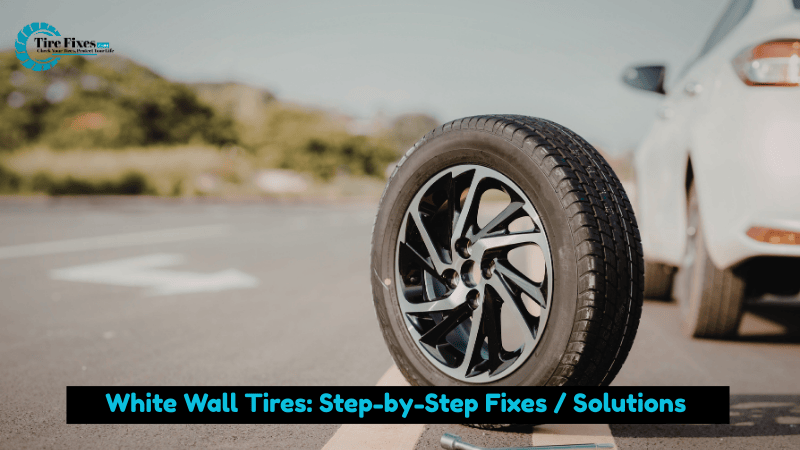
White Wall Tires: Step-by-Step Fixes / Solutions
1. Proper Cleaning Method
Use a dedicated white wall tire cleaner, not household bleach or degreasers. Spray generously, let it sit for 30–60 seconds, then scrub with a stiff nylon brush—not metal. Rinse thoroughly.
2. Deep Cleaning for Stubborn Stains
For older tires, a baking soda and water paste works surprisingly well. Scrub gently and rinse. Avoid magic erasers—they can thin the white rubber over time.
3. Protect the Sidewall
After cleaning, apply a water-based tire protectant. Avoid glossy, oil-based dressings—they attract dirt and accelerate discoloration.
4. Rotate Regularly
White wall tires should be rotated every 5,000–6,000 miles. Front tires collect more brake dust, causing uneven coloring if left unchecked.
5. Choose Quality Brands
Premium options like Coker Tires white walls use better rubber compounds that resist browning and cracking far longer than budget brands.
White Wall Tires: DIY vs Professional Repair
DIY care works fine for cleaning and maintenance. Most owners can safely handle routine washing, protection, and inspection at home.
However, if you notice sidewall cracking, separation, or bulging, that’s not cosmetic—it’s structural. At that point, a tire professional should inspect the tire immediately. White wall tires are no safer than standard tires when damaged, and sidewall failures are never DIY territory.
Safety Considerations
White wall tires may look old-school, but safety rules still apply:
- Never ignore sidewall cracks, even if tread looks good
- Avoid aggressive scrubbing that thins the rubber
- Don’t use petroleum-based cleaners
- Replace tires older than 6–7 years, regardless of appearance
Remember, sidewall damage is one of the most dangerous tire failures you can experience at highway speeds.
White Wall Tires: Cost Expectations

In the US market, white wall tires cost more than standard tires:
- Budget white wall tire: $150–$200 each
- Mid-range brands: $200–$280 each
- Premium options like Coker Tires white walls: $300–$450 each
Cleaning products and protectants add about $20–$40 per year.
Prevention Tips
Want your white walls to stay white longer? Do this:
- Wash them at least once a month
- Park in shaded areas whenever possible
- Use separate brushes for tires and wheels
- Avoid drive-through car washes with harsh chemicals
Common Mistakes
These are the fastest ways to ruin white wall tires:
- Using bleach or engine degreaser
- Scrubbing with steel brushes
- Applying shiny tire gels
- Ignoring tire age because “they still look okay”
Conclusion / Final Advice
White wall tires are a style choice—and a commitment. If you love the look and don’t mind a little extra care, they’re absolutely worth it. Just remember: treat them gently, clean them properly, and never ignore sidewall condition. Style should never come at the cost of safety.
FAQs About White Wall Tires
1. Are white wall tires safe for daily driving?
Yes, as long as they’re properly maintained and not showing signs of sidewall damage or aging. Safety depends on condition, not color.
2. Why do white wall tires turn yellow?
Oxidation, UV exposure, and brake dust cause the white rubber to discolor over time, especially without regular cleaning.
3. Can I use regular tire cleaner on white walls?
You can, but dedicated white wall tire cleaner works better and is less likely to stain or dry out the rubber.
4. Do white wall tires wear faster?
The tread wears at the same rate as standard tires, but the white sidewall may show aging sooner.
5. Are Coker Tires’ white walls worth the money?
Yes. They’re more expensive, but the rubber quality and durability are noticeably better than cheaper alternatives.
6. Can white wall tires be repaired?
Minor tread punctures can be repaired, but any sidewall damage means replacement—no exceptions.