
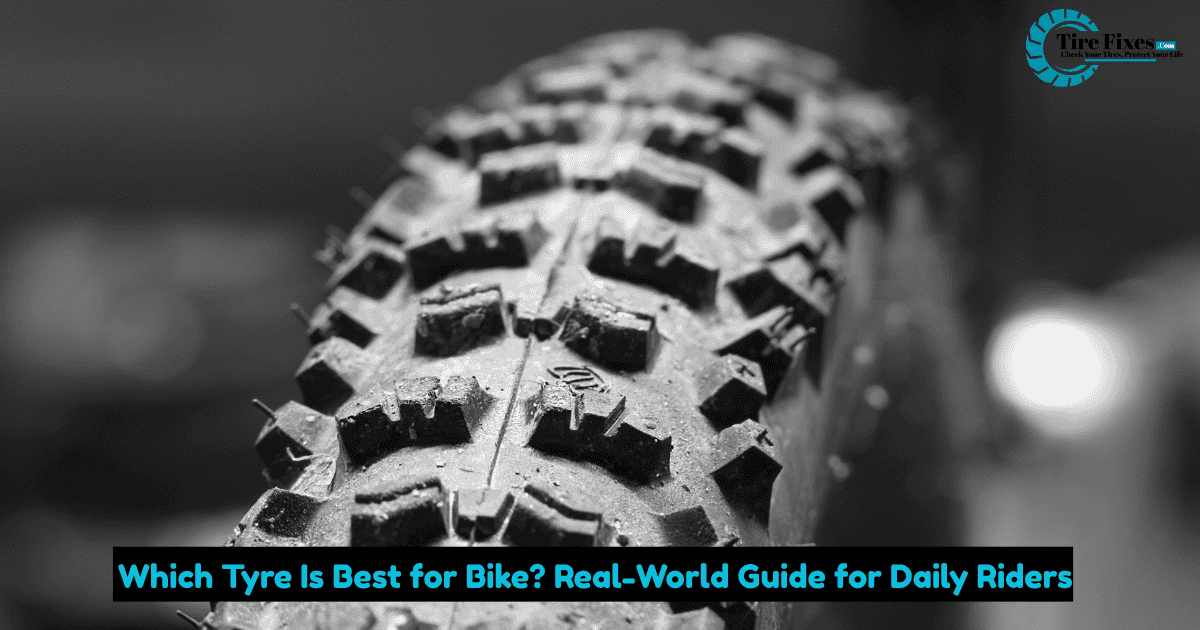
If you’ve ever stood inside a bike tyre shop, staring at rows of rubber while the mechanic waits for your answer, you’re not alone.
Most riders don’t think about tyres until something goes wrong—poor grip in the rain, a sudden skid at a red light, or that annoying wobble on rough roads.
I’ve been riding and wrenching on bikes for over a decade. From daily commutes on broken city roads to long highway runs and sudden monsoon downpours, one thing is clear: the right bike tyre completely changes how your motorcycle feels and behaves.
So if you’re asking which tyre is best for bike, this guide breaks it down in plain English—no marketing fluff, no confusing jargon. Just real advice based on riding conditions, usage, and budget.
Why Choosing the Right Bike Tyre Actually Matters
Your bike’s engine gets all the credit, but tyres do the real work. They’re the only part touching the road.
A good bike tyre affects:
- Braking distance
- Cornering grip
- Ride comfort
- Fuel efficiency
- Overall safety
I’ve seen riders upgrade exhausts and accessories but cheap out on tyres—bad move. A worn or wrong tyre can turn a simple commute into a risky ride, especially on wet roads or uneven surfaces.
Things You MUST Consider Before Buying a Bike Tyre
1. Your Riding Style
Be honest with yourself.
- Daily office commute?
- Weekend highway rides?
- Aggressive cornering?
- Rough rural roads?
Your riding habits decide which tyre compound and tread pattern works best.
2. Road Conditions You Ride On
Not all roads are created equal.
- Smooth highways need stability
- City roads need shock absorption
- Bad roads need stronger sidewalls
- Wet roads need better grip
If your roads look like a patchwork quilt of potholes, don’t go for ultra-hard tyres.
3. Tube vs Tubeless Tyres
Most modern bikes now use tubeless tyres, and for good reason.
Tubeless tyre benefits:
- Slower air loss during punctures
- Better heat dissipation
- Improved stability at speed
- Easier puncture repair
Unless your bike is very old, tubeless is the smarter choice.
4. Tyre Size (Non-Negotiable)
Always stick to the manufacturer-recommended tyre size.
Changing size affects:
- Speedometer accuracy
- Handling
- Fuel economy
- Suspension geometry
Bigger is NOT always better.
Which Tyre Is Best for Bike? Based on Use Case
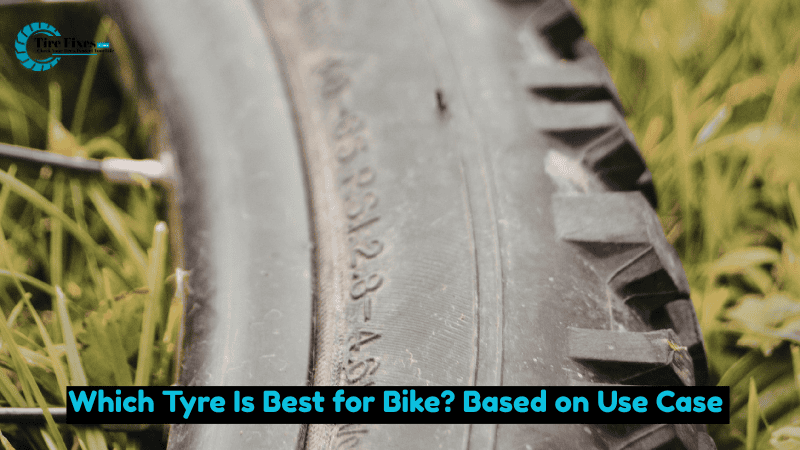
Best Tyre for Daily City Commuting
If you ride daily through traffic, speed breakers, and uneven roads, look for:
- Medium compound rubber
- Strong sidewalls
- Balanced grip and mileage
These tyres last longer and absorb bumps better.
Best Grip Tyre for Bike (Rain & Wet Roads)
Wet roads expose bad tyres instantly.
Look for:
- Deep tread grooves
- Softer rubber compound
- Good water dispersion design
A proper grip tyre reduces skidding during sudden braking.
Best Tyre for Highway Riding
Highway tyres should offer:
- Directional stability
- Low rolling resistance
- Heat resistance
You don’t want vibrations at 60–70 mph or sudden instability while overtaking.
Best Tyre for Scooty & Scooter Riders
Scooters have smaller wheels, so tyres matter even more.
Good scooter tyres offer:
- Excellent wet grip
- Quick steering response
- Strong braking performance
Especially important for models like Jupiter, Activa, Ntorq, and Access.
Top Bike Tyre Brands (Real-World Reputation)
Based on long-term usage, feedback from riders, and shop-level experience, these brands consistently perform well.
MRF Bike Tyres
- Durable
- Excellent for rough roads
- Widely available
- Good balance of grip and life
MRF bike tyre price ranges are competitive, especially for daily riders.
CEAT Two Wheeler Tyres
- Comfortable ride
- Good city grip
- Reliable tubeless options
CEAT tubeless tyre price sits well in the value-for-money category.
Apollo Tyres
- Stable highway performance
- Consistent quality
- Long tread life
Apollo Actigrip is popular for mixed road use.
TVS Tyres
- Optimized for TVS bikes and scooters
- Smooth rolling
- Decent wet performance
TVS tyre price lists are budget-friendly for commuters.
Bridgestone & Goodyear
- Premium build quality
- Excellent grip
- Better performance than lifespan
Great if safety matters more than mileage.
Best Tyre Company for Bike – Is There One “Perfect” Brand?
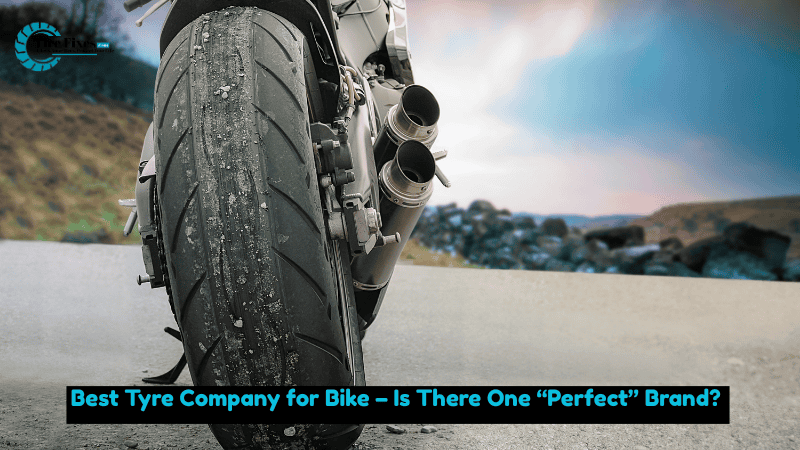
Short answer? No.
The best bike tyre brand depends on:
- Your bike model
- Your riding style
- Road conditions
- Budget
A tyre that feels amazing on a sports bike may feel terrible on a commuter bike. There’s no universal winner.
Common Bike Tyre Mistakes Riders Make
I see these every week:
- Buying the cheapest tyre available
- Ignoring manufacturing date
- Overinflating for mileage
- Mixing different brands front and rear
- Riding on worn tyres “a little longer”
Your tyres are not where you cut corners.
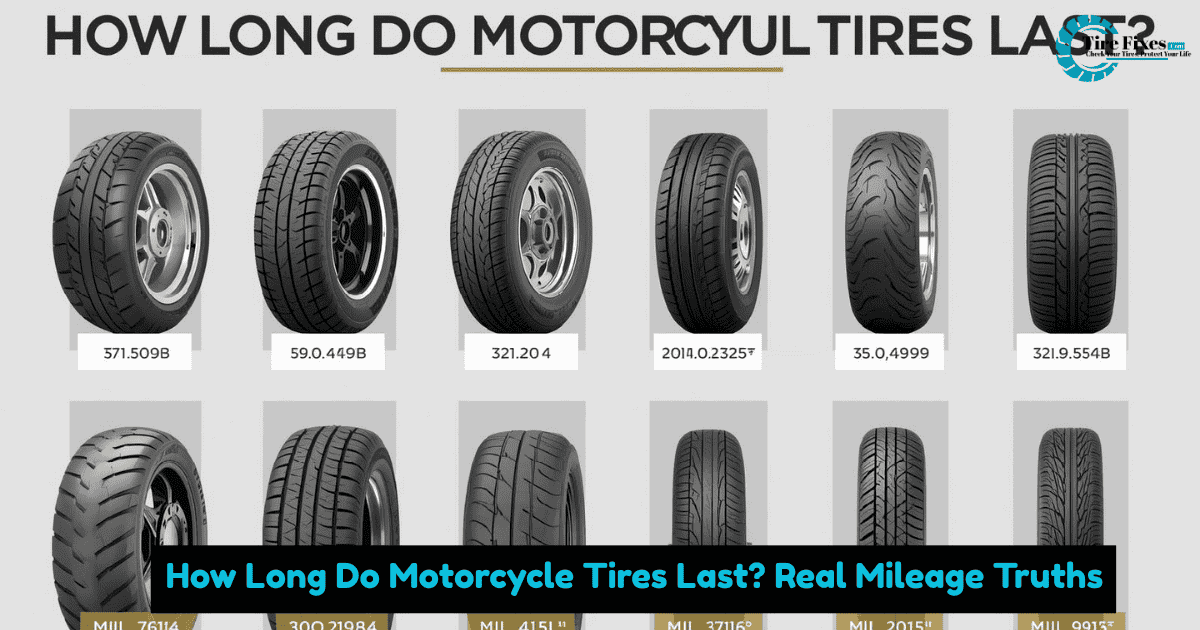
How Long Do Bike Tyres Usually Last?
On average:
- Front tyre: 15,000–25,000 miles
- Rear tyre: 10,000–18,000 miles
But aggressive riding, poor roads, or wrong air pressure can cut that in half.
Signs You Need a New Bike Tyre Immediately
- Visible cracks on sidewall
- Flat center tread
- Frequent air loss
- Reduced wet grip
- Bike feels unstable while cornering
If your bike feels “off,” trust that feeling.
Price Range: What Should You Expect to Pay?
Approximate two-wheeler tyre prices:
- Budget commuter tyre: $25–$40
- Mid-range tubeless tyre: $40–$70
- Premium performance tyre: $80+
Scooter tyres usually cost slightly less than motorcycle tyres.
Final Verdict: Which Tyre Is Best for Bike?
The best tyre for your bike is one that:
- Matches your riding conditions
- Fits your bike perfectly
- Offers predictable grip
- Is from a reliable brand
- Falls within your realistic budget
Don’t chase brand hype. Choose what works for how you actually ride.
FAQs – Bike Tyre Questions Riders Always Ask
Which company’s tyre is best for a bike?
MRF, CEAT, Apollo, and Bridgestone are consistently reliable, depending on usage.
Are tubeless tyres better for bikes?
Yes. They’re safer, more stable, and easier to repair.
Which tyre is best for scooty?
Look for tyres with strong wet grip and softer compounds designed for scooters.
How often should I change bike tyres?
Every 3–5 years or when tread wear indicators are reached.
Does tyre brand affect mileage?
Yes. Harder compounds usually last longer but offer less grip.

One Comment