
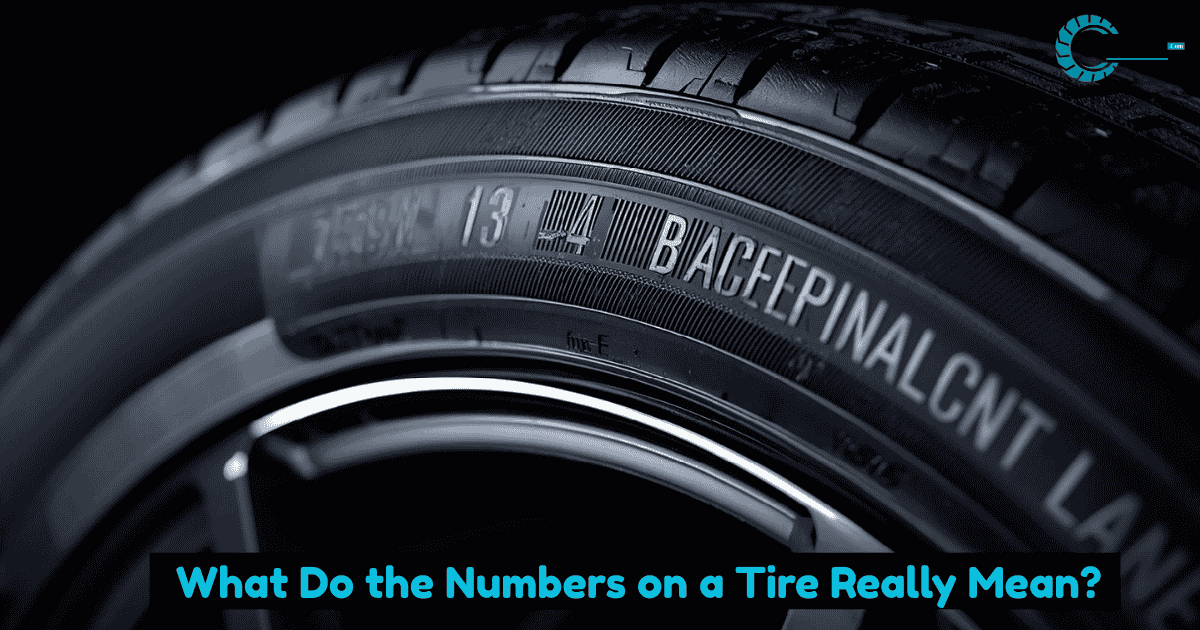
You’re standing in a tire shop parking lot or scrolling through tire listings online, staring at something like P215/65R16 98H, and thinking… Why does this look like a math problem? You just want safe tires that won’t blow out on the highway or hydroplane in a heavy rainstorm.
This confusion is incredibly common. I’ve lost count of how many drivers—friends, neighbors, even seasoned commuters—have admitted they’ve been buying tires for years without truly knowing what those numbers mean. And honestly, I get it. Tire sidewalls aren’t exactly written in plain English.
But here’s the thing: once you understand what the numbers on a tire mean, everything clicks. You’ll know if a tire actually fits your car, how it handles in bad weather, and whether it’s safe for your daily drive. Let’s break it down in a way that actually makes sense—no jargon, no fluff.
Problem Explanation
Why Tire Numbers Confuse So Many Drivers
Tire numbers are standardized, but they’re not intuitive. They combine measurements, construction types, and performance ratings into one long string that looks intimidating at first glance. Most drivers are never taught how to read them, so they rely on tire shops or guesswork.
The problem is that choosing the wrong tire size or rating can affect braking, handling, fuel economy, and even safety—especially on US highways or during winter rainstorms. Understanding these numbers helps you make smarter decisions and avoid costly mistakes.
Common Causes
Why Drivers Don’t Understand Tire Numbers
- Tire sidewalls use abbreviations instead of plain language
- Car manuals often explain it poorly (or not at all)
- Tire shops don’t always take time to educate customers
- Online tire listings assume prior knowledge
- Drivers usually replace tires only every few years
What Do the Numbers on a Tire Really Mean: Symptoms / Warning Signs
Signs You Might Be Running the Wrong Tires
- Car feels unstable at highway speeds
- Steering feels sluggish or overly stiff
- Speedometer seems slightly off
- Uneven or premature tire wear
- Poor traction in rain or snow
If any of these sound familiar, your tire size or ratings might not match your vehicle’s needs.
Step-by-Step Fixes / Solutions
How to Read Tire Numbers the Right Way
Let’s use a very common example you’ll see on US vehicles:
P215/65R16 98H
I’ll walk you through it exactly how I explain it in the shop.
1. The First Letter: Tire Type
- P = Passenger vehicle (most cars, SUVs, minivans in the US)
- LT = Light Truck (pickups, heavy-duty SUVs)
If there’s no letter, it’s usually a European metric tire, common in UK markets.
2. The First Number: Tire Width
215 means the tire is 215 millimeters wide from sidewall to sidewall.
Wider tires:
- Improve grip
- Can reduce fuel economy
- May be louder on rough roads
3. The Second Number: Aspect Ratio
65 means the sidewall height is 65% of the tire’s width.
- Higher number = taller sidewall (more comfort)
- Lower number = shorter sidewall (sportier handling)
This matters a lot on pothole-filled US city roads.
4. The Letter in the Middle: Construction Type
R = Radial construction (nearly all modern tires)
Radial tires last longer, ride smoother, and handle heat better at highway speeds.
5. The Next Number: Wheel Diameter
16 means the tire fits a 16-inch wheel.
This must match your wheel exactly. No exceptions.
6. Load Index: How Much Weight It Can Carry
98 is the load index.
In this case:
- 98 = 1,653 lbs per tire
Four tires together support your vehicle’s full weight safely.
7. Speed Rating: How Fast the Tire Is Rated For
H means the tire is rated for up to 130 mph.
Common ratings:
- S = 112 mph
- T = 118 mph
- H = 130 mph
- V = 149 mph
This isn’t about how fast you drive—it’s about heat resistance and safety.
What Do the Numbers on a Tire Really Mean: DIY vs Professional Repair
Should You Handle Tire Choices Yourself?
DIY Pros:
- Saves money
- Better understanding of your car
- More control over tire quality
Professional Pros:
- Proper mounting and balancing
- TPMS reset
- Warranty support
If you’re confident reading tire numbers, buying tires yourself is fine. Just always have them installed and balanced by a professional.
Safety Considerations
Why Tire Numbers Are a Safety Issue
Running the wrong tire size or load rating isn’t just inconvenient—it’s dangerous. Incorrect tires can overheat, blow out, or fail under heavy loads. On long US interstate drives or in hot summer weather, this becomes especially risky.
Never downgrade load index or speed rating below factory recommendations. Safety always beats saving a few bucks.
Cost Expectations
What Proper Tires Usually Cost
In the US market:
- Budget tires: $80–$120 each
- Mid-range tires: $130–$180 each
- Premium brands: $200+ each
Correct sizing prevents uneven wear, saving you money long-term.
Prevention Tips
How to Avoid Tire Confusion in the Future
- Check your driver-side door placard
- Keep tire size saved on your phone
- Match load and speed ratings exactly
- Replace tires in full sets when possible
- Ask questions—good shops won’t rush you
Common Mistakes
Errors I See All the Time
- Choosing the cheapest tire regardless of rating
- Mixing different tire sizes
- Ignoring load index
- Assuming wider is always better
- Trusting speed rating myths
Conclusion / Final Advice
Understanding what do the numbers on a tire mean turns tire shopping from stressful to simple. Once you know how to read them, you’ll drive safer, save money, and avoid costly mistakes. Take five minutes to check your current tires—you’ll be glad you did the next time the weather turns ugly.
FAQs About What Do the Numbers on a Tire Really Mean
1. What do the numbers on a tire size mean?
They describe the tire’s width, sidewall height, construction type, wheel diameter, load capacity, and speed rating. Together, they ensure the tire fits your car safely.
2. What do the 3 numbers on a tire mean?
The main three numbers usually refer to width, aspect ratio, and wheel diameter. These determine fitment and ride characteristics.
3. Can I use a different tire size than stock?
Minor changes are possible, but major differences can affect handling, speedometer accuracy, and safety. Always stay close to factory specs.
4. What does the speed rating really mean?
It measures heat resistance and durability, not how fast you drive. Higher ratings usually mean better performance.
5. Are UK tire numbers different from US ones?
The format is mostly the same, but UK vehicles often use metric tires without the “P” designation.
6. Where can I find my correct tire size?
Check the driver-side door sticker, owner’s manual, or the tire sidewall itself.


One Comment