If you’ve ever been stranded on the shoulder of a highway with a trailer in tow, you already know how fast a simple tire issue can turn into a full-blown headache. Picture this: you’re hauling a utility trailer loaded with gear, or maybe towing your boat to the lake before sunrise. Then you hear it—the unmistakable flap-flap-flap of a blown trailer tire. You pull over, heart racing, only to realize there’s no spare anywhere in sight.
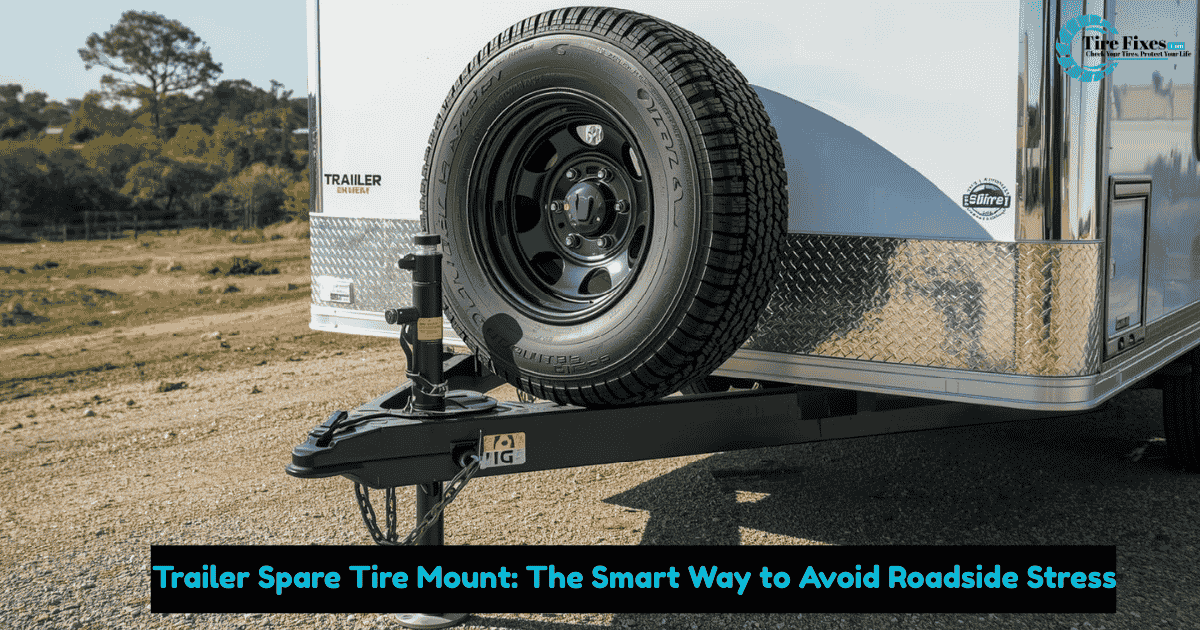
That’s exactly why a trailer spare tire mount isn’t just an accessory—it’s peace of mind. Whether you’re a weekend DIYer, a boat owner, or someone who relies on a trailer for work, having a properly mounted spare tire can be the difference between a quick roadside fix and hours of waiting for help. Let’s break down why these mounts matter, how to choose the right one, and how to avoid common mistakes I’ve seen over years of wrenching and towing.
What Is the Problem With Trailers and Spare Tires?
Trailers don’t come with the same built-in safety nets as cars and trucks. Most trailers leave the factory without a dedicated place for a spare tire. That means many drivers either toss a spare loosely in the trailer bed or skip carrying one altogether.
The real problem shows up when a tire fails far from home. Trailer tires are smaller, work harder, and often sit unused for long periods. Blowouts happen more often than people expect, especially on long highway runs or rough back roads. Without a spare tire mount for a trailer, changing that tire safely and quickly becomes much harder than it should be.
Common Causes of Trailer Tire Blowouts
Trailer tire failures usually aren’t random. In my experience, they almost always come down to a few predictable causes:
- Underinflated tires that overheat on long drives
- Dry rot and age-related cracking, especially on rarely used trailers
- Overloading the trailer beyond its tire load rating
- Curb impacts or potholes on city streets and rural roads
- Lack of regular inspections, especially before long trips
When one of these issues hits and you don’t have a spare ready to go, that’s when a simple fix turns into a major inconvenience.
Warning Signs Your Trailer Needs a Spare Tire Solution
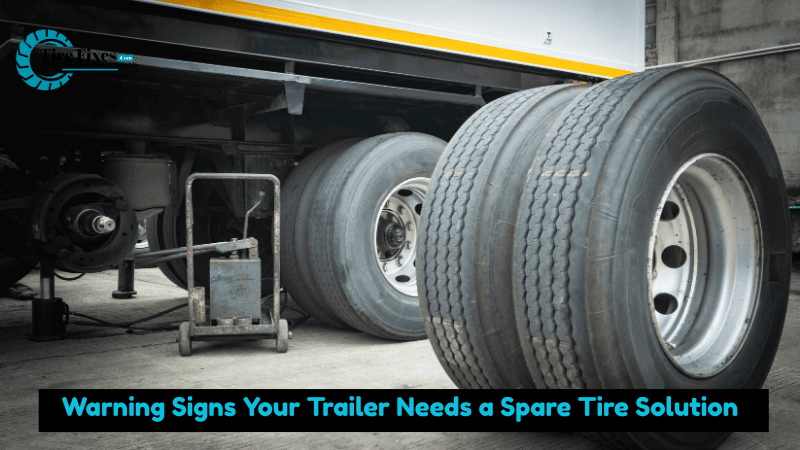
You might not think about a spare tire mount until it’s too late. Watch for these red flags:
- You don’t know where your spare tire is—or if you even have one
- The spare rolls around loose in the trailer or truck bed
- You tow long distances or at highway speeds regularly
- Your trailer sits unused for months at a time
- You’ve already had one trailer tire fail before
If any of those sound familiar, it’s time to look at a trailer mount spare tire setup that actually works.
Step-by-Step Solutions: Choosing and Installing a Trailer Spare Tire Mount
1. Choose the Right Type of Spare Tire Mount
Not all mounts are created equal. The right option depends on how and where you use your trailer.
- Utility trailer spare tire mount: Bolts directly to the trailer frame, simple and affordable
- Boat trailer spare tire mount: Often galvanized or stainless to resist water and corrosion
- Trailer hitch spare tire mount: Attaches to the hitch receiver, great when frame space is limited
- Side-mount or tongue-mount options: Keeps the spare accessible without unloading cargo
2. Match the Mount to Your Tire Size
This is where people mess up. Trailer tires come in different bolt patterns, rim sizes, and offsets. Always match:
- Bolt pattern (5-lug, 6-lug, etc.)
- Wheel diameter and width
- Tire load rating
A mismatched mount can lead to vibration, stress cracks, or even losing the spare on the road.
3. Install the Mount Securely
Most spare tire mounts for trailers are DIY-friendly with basic tools. Installation usually involves:
- Positioning the mount on the trailer frame or tongue
- Marking and drilling bolt holes if needed
- Bolting the mount using Grade 8 hardware
- Torquing bolts to spec and checking clearance
Always double-check that the spare doesn’t interfere with lights, wiring, or suspension travel.
4. Test It Before You Need It
Before hitting the highway, grab a wrench and practice removing the spare. If it’s rusted on, blocked by cargo, or awkward to reach, fix that now—not on the roadside.
DIY vs Professional Installation: Which Is Better?
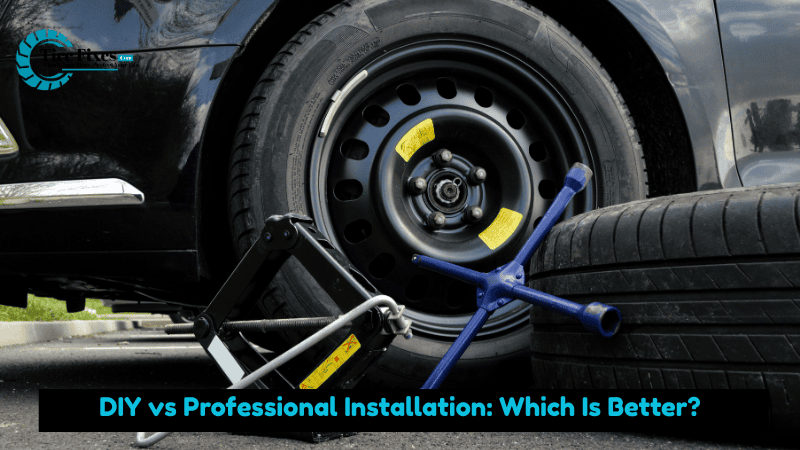
Installing a spare tire mount for a trailer is usually a straightforward DIY job. If you’re comfortable drilling metal and tightening bolts, you’ll be fine.
DIY Pros:
- Saves money
- Quick installation
- Easy to customize placement
Professional Install Pros:
- Ideal for heavy-duty or custom trailers
- Proper welding or reinforcement if needed
- Peace of mind for frequent towing
If your trailer is heavily loaded or commercially used, paying a shop might be worth it.
Safety Considerations You Shouldn’t Ignore
Safety is where experience really matters. I’ve seen spare tires come loose on the highway, and it’s not pretty.
- Use locking lug nuts to prevent theft
- Recheck mount bolts after the first 100 miles
- Inspect the spare tire’s pressure regularly
- Avoid mounting near exhaust heat or sharp edges
A secure mount keeps the spare from becoming a road hazard.
Cost Expectations in the US
Most drivers are surprised how affordable this upgrade is.
- Basic utility trailer spare tire mount: $25–$50
- Heavy-duty or galvanized boat trailer mount: $50–$100
- Trailer hitch spare tire mount: $80–$150
- Professional installation (if needed): $75–$150
Compared to a roadside tow, that’s cheap insurance.
Prevention Tips for Long-Term Reliability
Once your spare is mounted, keep it road-ready:
- Check spare tire pressure every few months
- Inspect for dry rot just like your main tires
- Retorque mount bolts annually
- Replace the spare if it ages out, even if unused
A spare is only useful if it’s actually usable.
Common Mistakes to Avoid
- Buying a mount that doesn’t fit your bolt pattern
- Mounting the spare where it blocks lights or plates
- Forgetting to check spare tire pressure
- Using cheap hardware that rusts or loosens
- Ignoring weight balance on smaller trailers
These small mistakes cause big problems down the road.
Final Advice From the Road
A trailer spare tire mount is one of those upgrades you hope you never need—but you’ll be glad it’s there when you do. It’s simple, affordable, and dramatically reduces stress when towing. From utility trailers to boat haulers, having a secure spare means fewer delays, safer trips, and more confidence every time you hit the road.
FAQs About Trailer Spare Tire Mount
1. Do all trailers need a spare tire mount?
Not legally, but practically, yes. Trailer tires fail more often than vehicle tires, and having a mounted spare can save hours of downtime and stress.
2. Can I use a car tire as a trailer spare?
No. Trailer tires are built differently for load handling. Always use a spare that matches your trailer tire specifications.
3. Is a trailer hitch spare tire mount safe?
Yes, if properly rated and installed. Just ensure it doesn’t interfere with turning radius or safety chains.
4. How often should I check my trailer spare tire?
At least every three months, and always before long trips. Pressure loss over time is common.
5. Are boat trailer spare tire mounts different?
Yes. Boat trailer mounts are usually corrosion-resistant due to frequent water exposure.
6. Can I install a spare tire mount without drilling?
Some clamp-on mounts exist, but bolted installations are generally more secure long-term.