If you’ve ever aired down your UTV tires at the trailhead or limped back to the truck with torn lugs after a long weekend ride, you already know one thing—tires can make or break your day. A lot of riders land on System 3 tires after getting fed up with stock rubber that just doesn’t hold up to real-world abuse.
System 3 has built a solid reputation among ATV and UTV owners who ride hard but still drive their machines like tools, not toys. Whether you’re crawling over rocky trails in Utah, blasting sand dunes in California, or riding muddy backwoods in the Southeast, these tires promise durability without breaking the bank. But do they actually deliver, or is it just hype? Let’s break it down from a real driver’s perspective.
What Are System 3 Tires and Who Are They For?
System 3 tires are purpose-built off-road tires designed mainly for UTVs and ATVs. You’ll see them paired with System 3 wheels and tires packages, which are popular upgrades for riders who want better traction, stronger sidewalls, and more aggressive tread patterns than OEM setups.
They’re aimed at riders who:
- Use their machines regularly, not just once a year
- Drive on mixed terrain (rock, mud, sand, hardpack)
- Want performance without premium-brand pricing
Unlike cheap off-brand tires, System 3 focuses heavily on reinforced construction and terrain-specific designs.
Common Reasons Riders Choose System 3 Tires
Most owners don’t switch to System 3 tires on a whim. It usually happens after a few frustrating experiences.
The most common reasons include:
- Stock tires wearing out too fast
- Frequent punctures from rocks or roots
- Poor traction in mud or loose terrain
- Wanting a more aggressive look and stance
For many UTV owners, upgrading tires is the first real modification—and System 3 often lands at the top of the shortlist.
Signs System 3 Tires Are Right for Your Riding Style
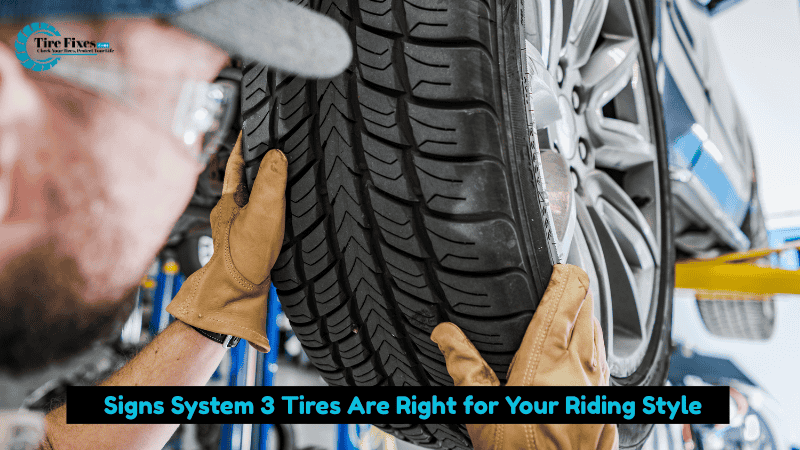
Before pulling the trigger, it helps to know if these tires actually fit your needs.
System 3 tires make sense if you notice:
- Wheel spin on climbs or loose gravel
- Sidewall flex when hauling gear or towing
- Rapid tread wear on mixed terrain
- Lack of confidence at speed on trails
If most of your riding is paved or light-duty farm work, these may be overkill. But for trail and recreational riders, they’re right in the sweet spot.
Popular System 3 Tire Models Explained
System 3 XTR370 Tires
The XTR370 is one of the most balanced options in the lineup. It’s designed for trail riding with occasional rock crawling.
What stands out:
- 8-ply rated construction
- Predictable handling on hardpack
- Solid puncture resistance
They’re a great “do-it-all” choice if you ride varied terrain and don’t want to swap tires constantly.
System 3 XT400 Tires
The XT400 leans more aggressive. This tire is popular with riders who push harder or carry heavier loads.
Key benefits:
- Stronger carcass for abuse
- Deeper tread for loose dirt and mud
- Stable at higher trail speeds
It’s a favorite among riders who upgraded horsepower and needed tires that could keep up.
System 3 XC 450 Tire Review
The XC 450 is built with competition DNA but works surprisingly well for everyday riding.
Real-world impressions:
- Excellent cornering grip
- Tough sidewalls for rocks
- Slightly firmer ride than trail-focused tires
If you ride fast and aggressive, this tire feels planted and predictable.
System 3 Sand Tires
System 3 sand tires are purpose-built for dunes and loose terrain.
Why riders love them:
- Paddle-style designs that float instead of dig
- Lightweight construction
- Reduced drivetrain stress
They’re not for mixed terrain, but in the sand, they shine.
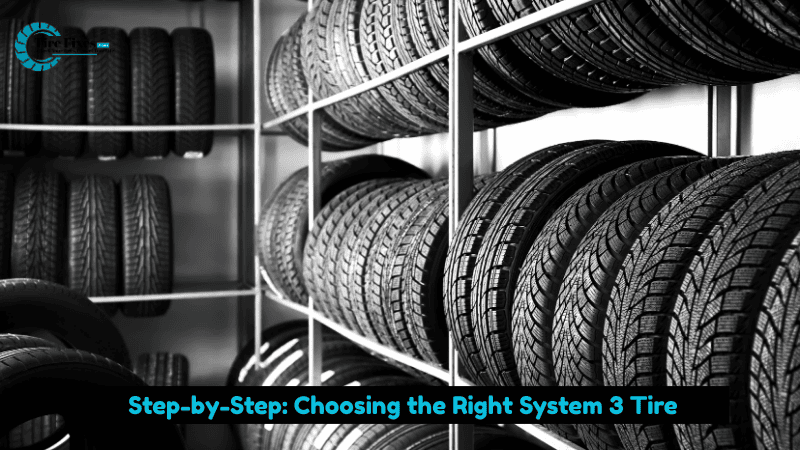
Step-by-Step: Choosing the Right System 3 Tire
1. Match the Tire to Your Terrain
Be honest about where you ride most. Trails, rocks, sand, or mud all need different tread designs.
2. Check Load Ratings
UTVs used for work or long trips need higher ply ratings for durability and safety.
3. Verify Fitment
Double-check wheel size, offset, and clearance—especially if you’re upsizing.
4. Consider Ride Comfort
More aggressive tires are tougher but can ride firmer on hardpack.
5. Pair With Proper Wheels
System 3 wheels and tires combos often perform better together due to matched design specs.
DIY Installation vs Professional Mounting
Mounting UTV tires isn’t difficult, but it’s not always DIY-friendly either.
DIY Pros:
- Saves money
- Convenient for experienced riders
DIY Cons:
- Risk of bead damage
- Balancing can be tricky
Professional Mounting Pros:
- Proper bead seating
- Correct balancing
- Peace of mind
If you don’t already have tire tools, paying a shop is often worth it.
Safety Considerations
Off-road tires still impact safety more than most riders realize. Improper pressure or damaged sidewalls can cause blowouts, especially at speed.
Keep in mind:
- Always follow manufacturer PSI guidelines
- Inspect sidewalls after rocky rides
- Replace tires with exposed cords or deep cuts
No tire is indestructible, including System 3.
Cost Expectations (US-Based)
System 3 tires generally fall into the mid-range price category.
Typical pricing:
- $120–$220 per tire depending on size and model
- Wheel and tire packages: $800–$1,400
They’re not bargain-bin cheap, but they’re far from premium pricing.
Tips to Make System 3 Tires Last Longer
A little care goes a long way.
Helpful habits:
- Rotate tires periodically
- Avoid excessive spinning on hard surfaces
- Adjust pressure for terrain changes
Most premature wear comes from overdriving, not tire quality.
Common Mistakes Riders Make
- Running too much air pressure
- Choosing mud tires for trail riding
- Ignoring alignment or suspension issues
- Oversizing without checking clearance
These mistakes shorten tire life fast.
Final Thoughts: Are System 3 Tires Worth It?
For most ATV and UTV riders, System 3 tires hit a near-perfect balance of durability, performance, and price. They’re tough enough for serious riding without feeling overbuilt or overpriced. If you want reliable traction and fewer tire-related headaches, they’re a solid upgrade worth considering.
FAQs
Are System 3 tires good quality?
Yes, System 3 tires are known for strong construction and reliable off-road performance. They’re especially popular among UTV and ATV riders who need durability without premium-brand pricing.
How long do System 3 UTV tires last?
With normal trail use and proper pressure, many riders see 3,000–5,000 miles. Aggressive riding or rocky terrain can reduce lifespan.
Are System 3 tires DOT approved?
Most System 3 ATV and UTV tires are not DOT-rated for highway use. Always check the specific model before riding on public roads.
Do System 3 tires ride rough?
More aggressive models can feel firmer on hardpack. Trail-focused options like the XTR370 offer a smoother ride.
Can I use System 3 tires for work and trails?
Yes. Many models handle mixed-use riding well, including light hauling and trail riding.
Are System 3 sand tires street legal?
No. Sand tires are designed strictly for off-road dune use and should not be driven on pavement.