
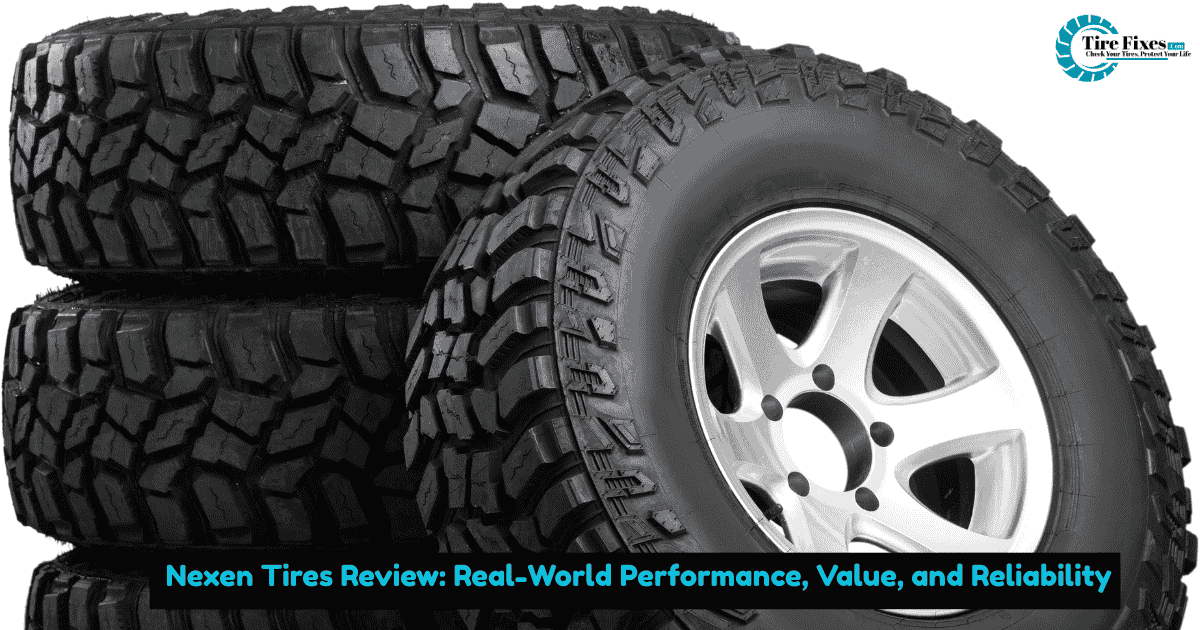
You’re standing in a tire shop staring at a price board, wondering how tires got so expensive. Michelin and Bridgestone look great… until you see the total. Then the tech points at another rack and says, “A lot of folks are going with Nexen lately.”
If you’re like most everyday drivers, that sparks two questions immediately: Are Nexen tires good? And what’s the catch?
Nexen tires have quietly grown popular across the US, especially with commuters, rideshare drivers, and anyone tired of paying premium prices for basic daily driving. You’ve probably seen Nexen tires reviews online—some glowing, some skeptical—and maybe even spotted photos of the Nexen tire distribution center in Ontario popping up in forums.
This guide breaks it all down from a real-world, mechanic-tested perspective. No hype. No brand worship. Just what you actually need to know before mounting Nexen tires on your car.
Problem Explanation
Are Nexen Tires Actually Worth Buying?
The main concern drivers have with Nexen tires is trust. Nexen isn’t as old-school famous in the US as Goodyear or Continental, so people naturally assume “budget tire” means poor quality or short lifespan.
In reality, Nexen sits in that middle ground—priced below premium brands but often outperforming other budget tires. The confusion comes from mixed tire ratings reviews online, where driving habits, vehicle type, and climate make a huge difference in results.
Common Causes of Confusion About Nexen Tires
- Nexen isn’t a household name in the US yet
- Mixed Nexen tire reviews from different vehicle classes
- Drivers comparing premium expectations to budget pricing
- Limited long-term data compared to 100-year-old brands
- Confusion over who makes Nexen tires and where they’re built
Symptoms / Warning Signs People Report
- Faster tread wear when tires aren’t rotated regularly
- Slight road noise on rough concrete highways
- Average winter grip compared to dedicated snow tires
- Softer sidewalls on certain touring models
None of these are deal-breakers—but they’re worth knowing upfront.
Nexen Tires: Step-by-Step Fixes / Solutions
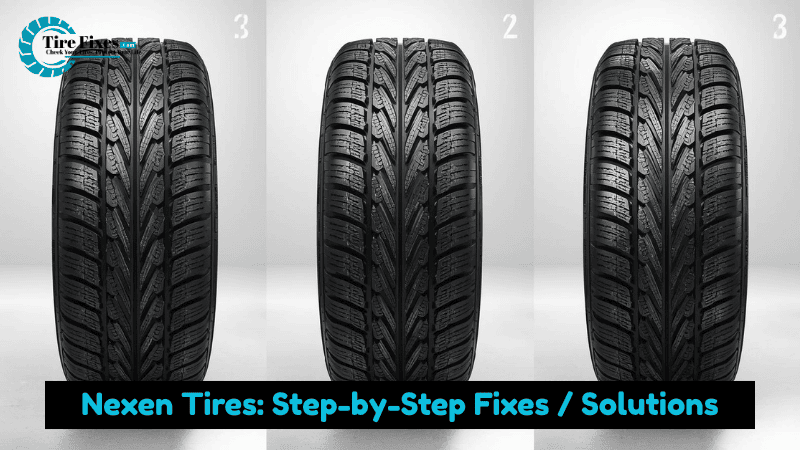
1. Choose the Right Nexen Tire Model
Nexen tires vary a lot by model. A bad experience usually comes from choosing the wrong tire for the job.
Popular Nexen tire options include:
- N’Priz AH8 – Daily commuting and sedans
- Roadian HTX RH5 – SUVs and light trucks
- Aria AH7 – Long highway miles, ride comfort
- Winguard Sport 2 – Winter-focused performance
2. Match Tires to Your Driving Style
If you drive mostly:
- City traffic → Touring or all-season Nexen tires
- Highway commuting → Long-wear comfort models
- Snowbelt states → Dedicated Nexen winter tires
3. Install and Balance Properly
Many negative Nexen tires reviews trace back to poor installation. Always:
- Road-force balance
- Align after install
- Verify correct load rating
4. Maintain Them Like Premium Tires
Rotate every 5,000–6,000 miles. Keep pressure correct. Nexen tires reward basic maintenance more than most budget brands.
Nexen Tires: DIY vs Professional Repair
DIY tire care works fine for:
- Pressure checks
- Visual inspections
- Tread depth monitoring
But leave mounting, balancing, and alignment to professionals. Nexen tires, like most modern radials, are sensitive to improper balancing, which can cause vibration complaints that aren’t the tire’s fault.
Safety Considerations
Nexen tires meet DOT and US safety standards, and many models are OEM on vehicles from Hyundai, Kia, and Dodge. Still:
- Don’t overload them
- Replace if sidewall damage appears
- Avoid mixing models on AWD vehicles
Safety always beats saving a few bucks.
Cost Expectations
In the US market:
- Passenger car Nexen tires: $80–$130 each
- SUV/light truck tires: $120–$180 each
- Installation usually adds $20–$35 per tire
That’s often hundreds less than premium brands for a full set.
Prevention Tips
- Rotate tires on schedule
- Keep alignment checked annually
- Maintain proper tire pressure seasonally
- Avoid potholes—especially in winter
Good habits dramatically extend Nexen tire life.
Common Mistakes
- Expecting luxury-level silence
- Skipping rotations
- Buying all-season tires for heavy snow use
- Ignoring load and speed ratings
Conclusion / Final Advice
So, are Nexen tires good? For most everyday drivers—yes. They’re not flashy, and they’re not track tires. But for commuting, road trips, and daily errands, Nexen tires offer solid performance at a price that makes sense.
If you choose the right model and maintain them properly, Nexen tires deliver far more value than their price tag suggests.
FAQs About Nexen Tires
1. Who makes Nexen tires?
Nexen Tire is a South Korean manufacturer founded in 1942. They design and produce tires globally, including facilities in Korea, China, and Europe.
2. Are Nexen tires good for highway driving?
Yes. Many Nexen tires reviews praise their highway stability and comfort, especially touring models designed for long-distance commuting.
3. How long do Nexen tires last?
With proper maintenance, most Nexen all-season tires last 45,000–65,000 miles, depending on driving habits and road conditions.
4. Are Nexen tires noisy?
They’re generally quiet on smooth asphalt but can produce mild road noise on rough concrete highways, similar to most mid-range tires.
5. Are Nexen tires safe in snow?
All-season Nexen tires handle light snow fine. For heavy winter conditions, Nexen’s Winguard winter tires perform much better.
6. Where are Nexen tires sold in the US?
Nexen tires are distributed nationwide, with major logistics hubs like the Nexen tire distribution center in Ontario supporting North American supply.

2 Comments