
You finally pull the trigger on a fresh set of tires. Maybe your old ones were bald, noisy, or sketchy in the rain. The shop installs them, you pull out onto the road, and everything feels quieter and tighter. But then someone asks, “Do you know the tread depth on those new tires?”
Most drivers don’t. And honestly, that’s normal.
New tire tread depth isn’t something dealers explain well, yet it directly affects traction, braking, hydroplaning resistance, and how long your tires will last. I’ve seen plenty of folks assume “new is new,” only to be surprised when their tires wear faster than expected or behave differently in heavy rain. Let’s clear it all up—no jargon, no sales talk—just real-world tire knowledge you can actually use.
What Is New Tire Tread Depth, Really?
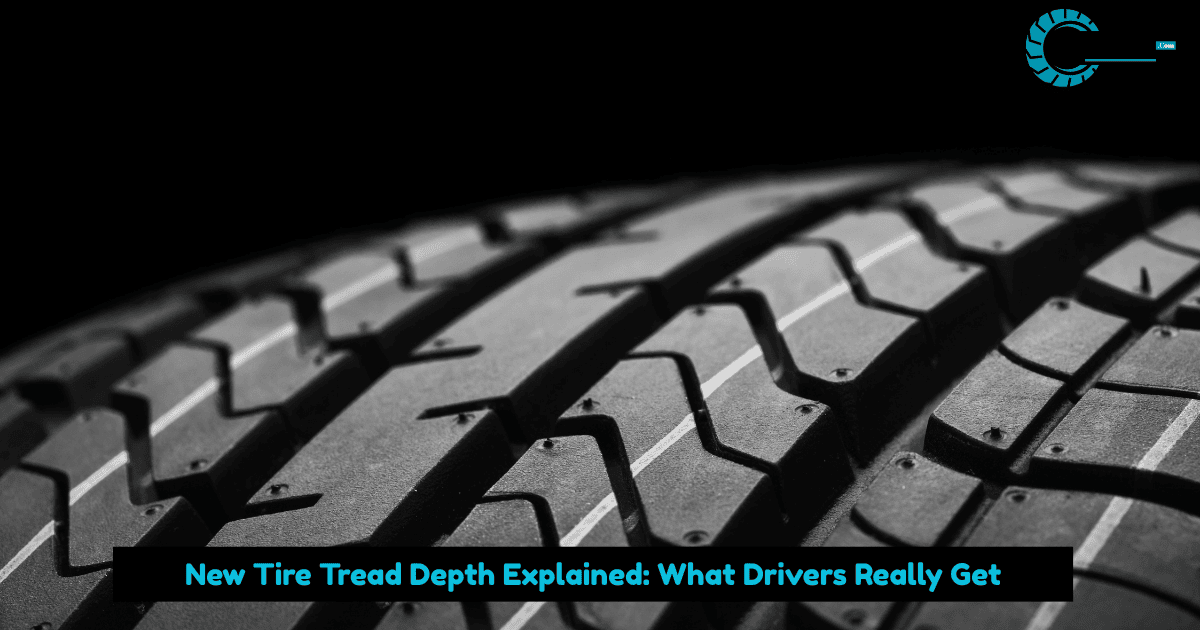
New tire tread depth refers to how deep the grooves are on a brand-new tire before it ever touches the road. These grooves are what channel water away, grip snow, and help your tire bite into the pavement.
For most passenger cars, SUVs, and light trucks sold in the US, the tread depth of a new tire typically falls between 10/32” and 12/32”. Some all-terrain or truck tires can start even deeper, around 13/32” to 15/32”.
This depth is measured in thirty-seconds of an inch, which is why tire folks always talk in weird fractions instead of decimals. More tread generally means better traction and longer usable life—up to a point.
Common Causes of Tread Depth Differences in New Tires
Not all new tires start with the same tread depth. That surprises a lot of drivers. Here’s why it varies:
- Tire type and category (all-season, summer, winter, all-terrain)
- Manufacturer design philosophy (some prioritize longevity, others performance)
- Vehicle application (sedan vs SUV vs light truck)
- Speed rating and performance focus
- Regulatory and market differences between regions
For example, a high-performance summer tire may start with less tread depth because it’s designed for dry grip, not longevity. A highway all-season tire for a Camry or Accord usually starts deeper to maximize mileage.
Symptoms or Signs Your New Tire Tread Depth Matters
You don’t “see” tread depth while driving, but you’ll feel its effects pretty quickly:
- Stronger grip in rain compared to worn tires
- Shorter braking distances on wet roads
- Less wheel spin when accelerating
- Reduced hydroplaning on highways
- Quieter, smoother ride
If your new tires feel noticeably different from your last set, tread depth is a big reason why.
Step-by-Step: How to Check Tread Depth on New Tires
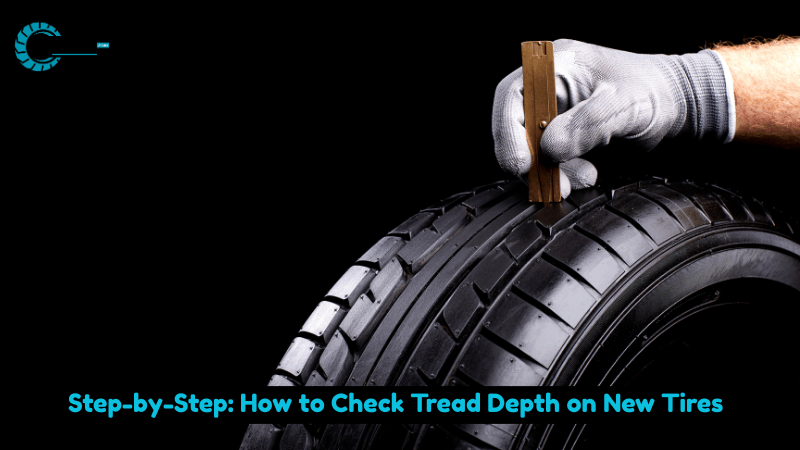
You don’t need to be a mechanic to measure tread depth. Here are three easy ways.
1. Use a Tread Depth Gauge (Best Option)
These cost about $5 at any auto parts store.
- Insert the probe into a tread groove
- Press the base flat against the tire
- Read the measurement in 32nds
New tires should read 10/32” or more.
2. The Quarter Test (Quick Check)
Stick a quarter into the tread with Washington’s head down.
- If the top of his head is covered, you have more than 4/32”
- New tires will completely bury his head
This won’t give an exact number, but it confirms you’re well above worn-out territory.
3. Check Manufacturer Specs
Look up the tire model on the manufacturer’s website. They list original tread depth under technical specs. This is helpful if you want to compare brands before buying.
DIY Knowledge vs Professional Advice
Understanding new tire tread depth is something every driver can do themselves—but pros still matter.
DIY Pros:
- Saves money
- Helps you track wear over time
- Makes you a smarter buyer
Professional Pros:
- Can spot uneven wear early
- Can confirm proper inflation and alignment
- Useful for warranty or mileage claims
My advice? Measure them yourself once when they’re new, then have them checked during routine rotations.
Safety Considerations You Shouldn’t Ignore
More tread equals more safety, especially in bad weather.
- New tires dramatically reduce wet-road braking distances
- Deeper tread lowers hydroplaning risk at highway speeds
- Winter tires rely heavily on tread depth for snow traction
Most states consider tires legally worn out at 2/32”, but from real-world experience, wet performance drops off hard below 4/32”. That’s why knowing your starting tread depth matters—it tells you how much life you really have.
Cost Expectations in the US
Tread depth itself doesn’t change cost directly, but tire type does.
- Standard all-season tires: $120–$220 each
- Premium or performance tires: $200–$350 each
- All-terrain or truck tires: $180–$300+ each
Tires with deeper starting tread often last longer, which can mean better value over time—even if they cost more upfront.
Prevention Tips to Maximize That New Tread
Once you’ve got fresh rubber, protect it.
- Rotate tires every 5,000–7,000 miles
- Keep tire pressure at door-jamb specs
- Get alignments checked yearly
- Avoid aggressive starts and hard braking
- Don’t overload your vehicle
I’ve seen brand-new tires lose thousands of miles of life just from bad alignment alone.
Common Mistakes Drivers Make
- Assuming all new tires have the same tread depth
- Ignoring tread depth until tires are worn
- Overinflating to “save gas”
- Skipping rotations
- Mixing different tire models on the same axle
These small mistakes quietly eat away at your tire investment.
Final Thoughts: Why New Tire Tread Depth Matters
New tire tread depth isn’t trivia—it’s the baseline for your tire’s entire life. Knowing it helps you judge wear, plan replacements, and drive safer in real-world conditions.
If you’re buying tires, ask about tread depth. If you just bought some, measure them once. It takes five minutes and pays off every mile after.
FAQs About New Tire Tread Depth
1. What is the tread depth of a new tire?
Most new passenger tires start between 10/32” and 12/32”. Some truck and all-terrain tires can be deeper.
2. Does higher tread depth mean a better tire?
Not always. Deeper tread helps longevity and wet traction, but performance tires often trade depth for grip and handling.
3. Do all-season and winter tires have different tread depths?
Yes. Winter tires usually start deeper to handle snow, while summer tires often start shallower.
4. How fast do new tires lose tread?
It depends on driving habits, alignment, and inflation. Normal wear is about 1/32” every 5,000–7,000 miles.
5. Can I return tires if tread depth is lower than expected?
Usually no, unless there’s a defect. Always check specs before buying.
6. Is tread depth the same in the UK and US?
Measurements are similar, but UK tires may list depth in millimeters instead of 32nds.

One Comment