
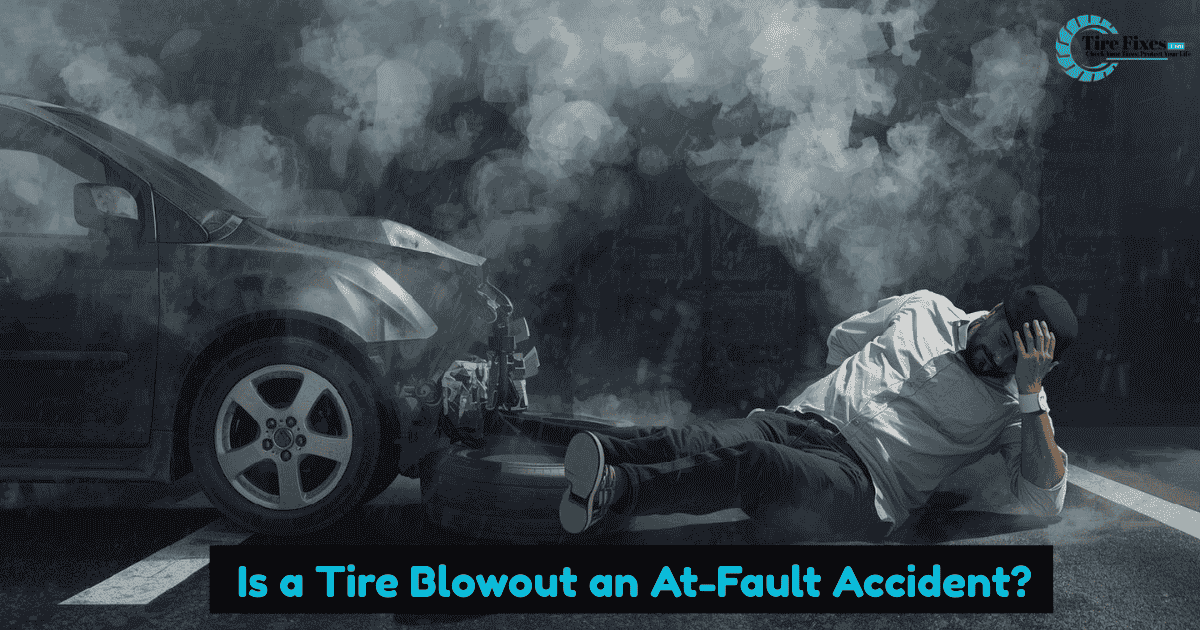
You’re cruising down the interstate, coffee in the cup holder, traffic moving at 70. Then it happens — bang. The steering wheel jerks, the car shudders, and your heart drops straight into your stomach. A tire blowout. If you’re lucky, you get safely onto the shoulder. If not, there’s damage… maybe even another vehicle involved.
Once the dust settles, the panic shifts from safety to something else entirely: Am I going to be blamed for this? A lot of drivers assume a tire blowout is just “bad luck.” But when insurance companies and police reports get involved, things aren’t always that simple.
So let’s clear it up — is a tire blowout an at fault accident? The answer depends on a few critical details most drivers don’t think about until it’s too late.
Problem Explanation
A tire blowout itself isn’t automatically considered an at-fault accident. In most cases, a blowout is treated as a mechanical failure, not reckless driving. However, fault can still be assigned if negligence played a role.
Insurance companies and investigators look at whether the blowout was preventable. If poor tire maintenance, ignored warning signs, or unsafe driving conditions contributed, fault may land on the driver. In other words, it’s not the blowout — it’s why it happened and how you reacted when it did.
Common Causes of Tire Blowouts
Most blowouts don’t come out of nowhere. They usually build over time, especially with everyday driving on US roads.
- Underinflated tires that overheat on highways
- Worn or bald tread, especially on older tires
- Sidewall damage from potholes, curbs, or road debris
- Overloaded vehicles, common with trucks and SUVs
- Driving at high speeds in extreme heat
Southern summer highways, long road trips, and neglected tire checks are a perfect storm for blowouts.
Symptoms / Warning Signs
Your car often gives you hints before a tire completely fails.
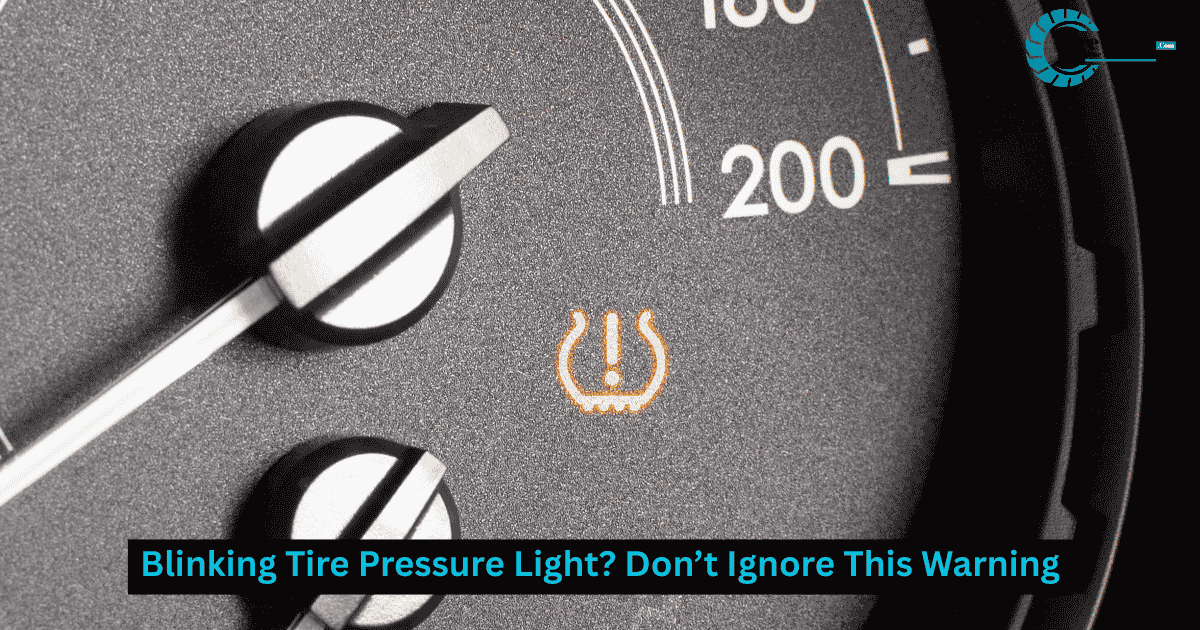
- TPMS warning light stays on
- Steering feels loose or pulls to one side
- Thumping or flapping noise at speed
- Visible cracks, bubbles, or cords on the tire
- Uneven or excessively worn tread
Ignoring these signs makes it much harder to argue a blowout wasn’t preventable.
Step-by-Step Fixes / Solutions
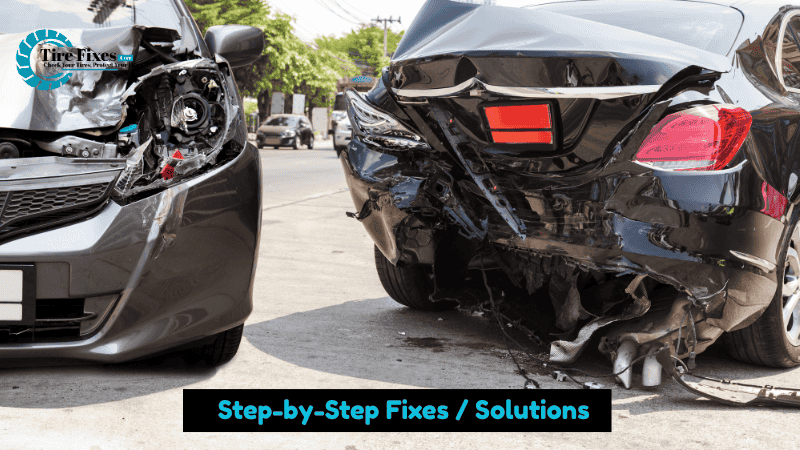
1. Stay in Control During the Blowout
The first few seconds matter most.
- Grip the wheel firmly
- Don’t slam the brakes
- Ease off the accelerator
- Let the car slow naturally
- Pull over once stable
Insurance companies often look at post-blowout behavior when assigning fault.
2. Document Everything Immediately
If there’s any damage or another vehicle involved:
- Take photos of the blown tire from all angles
- Capture tread depth and sidewall damage
- Photograph the road conditions
- Get dashcam footage if available
This evidence can protect you later.
3. Call for Assistance and File a Report
If there’s an accident or injuries, call police. A neutral report noting “mechanical failure” instead of “driver error” can make a huge difference.
4. Notify Your Insurance Company Honestly
Explain exactly what happened. Avoid guessing or accepting blame. Stick to facts — speed, road conditions, tire condition, and warning signs (or lack of them).
DIY vs Professional Repair
A blowout itself can’t be repaired, but what follows matters.
DIY options
- Spare tire installation
- Temporary roadside assistance
Professional help
- Tire replacement
- Alignment checks
- Suspension inspection
If damage spreads beyond the tire, always go professional. Hidden suspension issues can cause future accidents — and future liability.
Safety Considerations
Driving on a compromised tire is dangerous even before it blows. Blowouts at highway speeds can lead to rollovers, especially in taller vehicles.
Always prioritize:
- Regular tire inspections
- Correct tire pressure
- Load limits
- Speed ratings
Safety isn’t just personal — it affects how fault is legally viewed.
Is a Tire Blowout an At-Fault Accident?: Cost Expectations
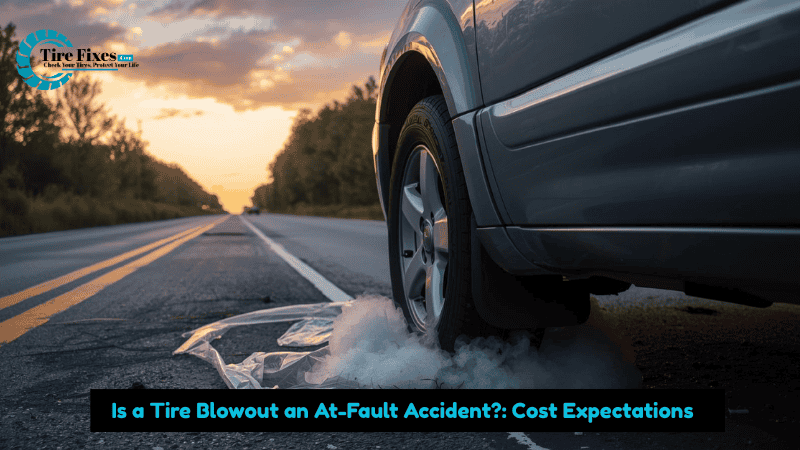
In the US, average costs look like this:
- New tire: $120–$300
- Mounting and balancing: $20–$40
- Alignment check: $90–$150
If insurance deems you at fault, these costs likely come out of pocket.
Prevention Tips
- Check tire pressure monthly
- Rotate tires every 5,000–7,000 miles
- Replace tires older than 6 years
- Avoid potholes when possible
- Don’t overload your vehicle
Simple habits go a long way when fault is questioned.
Common Mistakes
- Ignoring TPMS warnings
- Driving on visibly damaged tires
- Using mismatched or cheap tires
- Assuming blowouts are never your fault
These mistakes weaken your insurance claim fast.
Conclusion / Final Advice
So, is a tire blowout an at fault accident? Not automatically — but it can be. Fault depends on maintenance, warning signs, and how responsibly you handled the situation.
Treat your tires like the safety equipment they are. When things go wrong, good maintenance records and calm reactions can protect both your wallet and your driving record.
FAQs About Is a Tire Blowout an At-Fault Accident
1. Is a tire blowout always considered an accident?
No. A blowout alone isn’t always an accident. It becomes one if it leads to vehicle damage, injuries, or another car being involved.
2. Can insurance deny my claim after a blowout?
Yes, if they determine poor maintenance or negligence caused it. Bald tires or ignored TPMS warnings are common reasons.
3. Will I be at fault if my blown tire hits another car?
Possibly. If the blowout was preventable, fault may be assigned even if you didn’t intend to cause damage.
4. Does comprehensive insurance cover tire blowouts?
Usually no. Blowouts are often considered wear-and-tear unless caused by a covered road hazard.
5. Should I call police after a tire blowout?
If there’s damage, injuries, or traffic disruption, yes. A police report helps document the cause.
6. Can bad roads shift fault away from me?
Sometimes. If road debris or potholes caused the blowout, liability may shift depending on evidence.

One Comment