
You’re cruising down the highway, maybe heading to work or hauling groceries home, when something feels… off. The steering feels a little loose. The road noise is louder than usual. Or maybe your car just doesn’t grip the pavement like it used to, especially in the rain. Most drivers shrug it off and keep going. That’s usually when trouble starts.
Knowing how to tell if you need new tires isn’t just about saving money—it’s about staying safe. Tires wear out slowly, and because the change is gradual, many people don’t notice until they’re already driving on borrowed time. I’ve seen plenty of tires roll into the shop that should’ve been replaced months ago, especially after harsh winters, hot summers, or endless potholes.
This guide breaks it all down in plain English. No scare tactics. No sales pressure. Just real-world signs, practical checks, and honest advice so you can make the right call before your tires make it for you.
Problem Explanation
Your tires are the only part of your car that actually touches the road. Over time, rubber hardens, tread wears down, and internal structures weaken. Even if a tire “looks okay” at first glance, age, heat, and daily driving slowly chip away at its ability to grip the road.
The problem is most drivers don’t know what worn tires really look or feel like. Bald tires don’t always scream for attention. Sometimes the warning signs are subtle—longer stopping distances, poor wet traction, or vibration at highway speeds. That’s why understanding how to tell if you need a new tire is so important for everyday driving.
Common Causes
Several factors speed up tire wear faster than most people realize:
- Normal mileage and age – Most car tires last 50,000–70,000 miles, but age alone can kill a tire even with decent tread.
- Improper tire pressure – Driving underinflated or overinflated wears tires unevenly.
- Bad alignment or suspension issues – Causes rapid edge or patchy wear.
- Aggressive driving habits – Hard braking, fast cornering, and burnouts eat tread fast.
- Extreme weather – Hot summers and freezing winters break down rubber compounds.
These issues apply across the board—whether you’re checking how to tell if you need new car tires, motorcycle tires, or even bike tires.
How to Tell If You Need New Tires: Symptoms / Warning Signs
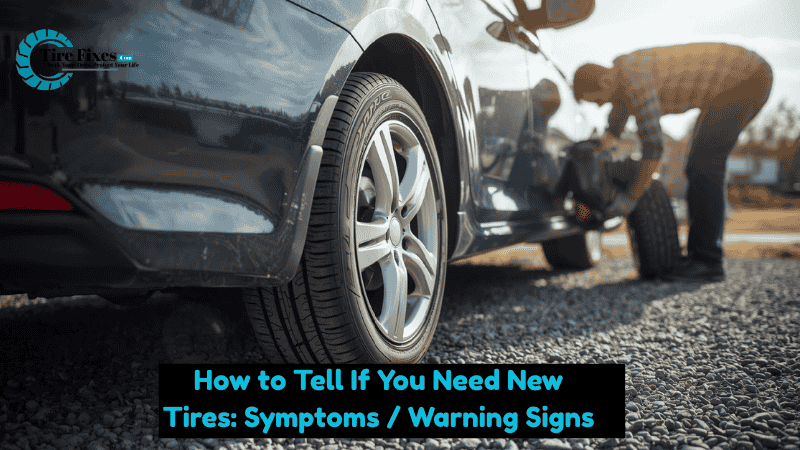
If you notice any of these, your tires may already be past their prime:
- Tread depth looks shallow or uneven
- Cracks in the sidewall or between tread blocks
- Vibration or thumping while driving
- Poor traction in rain or snow
- Steering feels loose or unstable
- Tire pressure warning light keeps coming on
Any one of these is reason to inspect your tires more closely.
Step-by-Step Fixes / Solutions
1. Check Tread Depth the Right Way
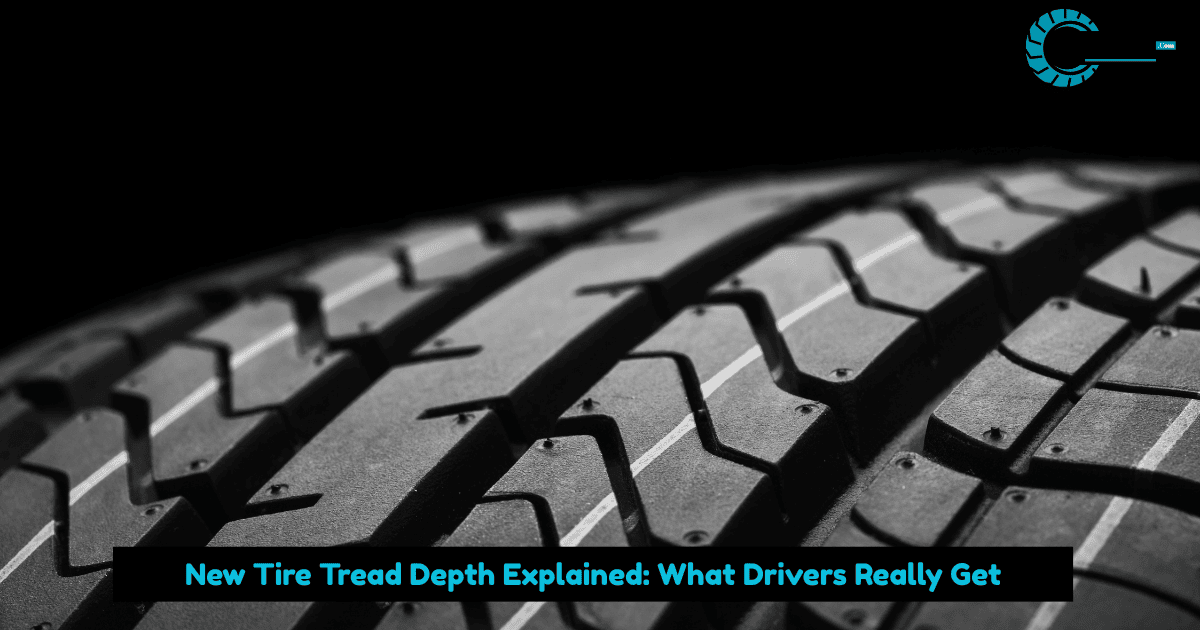
The fastest way to tell if you need new tires is checking tread depth. In the US, the legal minimum is 2/32 of an inch, but safety drops well before that.
- Use a tread depth gauge (cheap and accurate)
- Or do the penny test: insert a penny head-first into the tread
- If you can see Lincoln’s head, it’s time for new tires
For motorcycles and bikes, shallow tread is even riskier because balance and grip matter more.
2. Inspect the Sidewalls
Sidewalls don’t wear like tread, but they age faster.
Look for:
- Cracks or dry rot
- Bulges or bubbles
- Cuts exposing cords
Sidewall damage means replacement—no safe repair options here.
3. Feel How the Car Drives
Your car tells you a lot if you pay attention.
- Longer stopping distances
- Hydroplaning at lower speeds
- Wandering or pulling on straight roads
These driving changes are classic signs when figuring out how to tell if you need new car tires.
4. Check the Tire’s Age
Even low-mileage tires can be unsafe if they’re old.
- Look for the DOT code on the sidewall
- Last four digits show week and year of manufacture
Most tires should be replaced after 6–7 years, regardless of tread.
5. Compare Wear Across All Tires
Uneven wear often means:
- Alignment issues
- Suspension problems
- Rotations skipped
If one tire is worn faster, replacing just one may not be enough.
DIY vs Professional Repair
DIY tire checks are simple and absolutely worth doing. You can spot tread wear, cracks, and pressure issues in your driveway.
DIY works best for:
- Visual inspections
- Tread depth checks
- Pressure monitoring
Go to a professional if:
- Wear is uneven or sudden
- You feel vibration or pulling
- You’re unsure whether to repair or replace
A trusted tire shop can confirm whether replacement is necessary or if you can safely keep driving.
Safety Considerations
Driving on worn tires is one of the most common safety risks on US roads. Bald or aging tires drastically reduce traction, especially during rainstorms or sudden stops. Blowouts are more likely at highway speeds, and stopping distances increase significantly.
If you’re questioning how to tell if you need new tires, that hesitation alone is a sign to inspect them now—not later. Tires rarely fail at convenient times.
How to Tell If You Need New Tires: Cost Expectations
In the US, expect rough pricing like this:
- Economy car tires: $80–$130 each
- Mid-range all-season tires: $130–$200 each
- SUV/truck tires: $150–$300+ each
Installation, balancing, and disposal usually add $20–$40 per tire.
Prevention Tips
Want your next set to last longer?
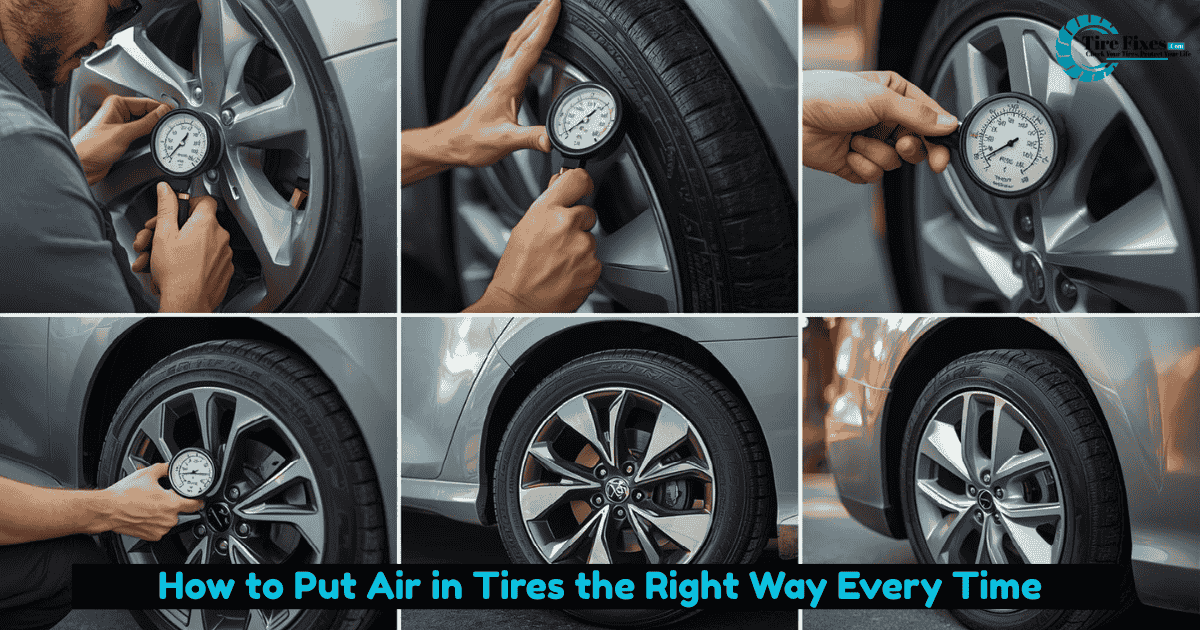
- Check tire pressure monthly
- Rotate tires every 5,000–7,000 miles
- Get alignments annually or after big pothole hits
- Avoid aggressive driving
- Don’t overload your vehicle
Good habits go a long way toward tire life.
How to Tell If You Need New Tires: Common Mistakes
- Waiting until tires look completely bald
- Replacing only one tire when multiple are worn
- Ignoring tire age
- Skipping rotations
- Assuming “they’ll last one more season”
These mistakes cost more in the long run.
Conclusion / Final Advice
If you’re still unsure how to tell if you need new tires, don’t overthink it. Check tread depth, inspect sidewalls, and pay attention to how your car feels on the road. Tires rarely fail without warning—most drivers just miss the signs.
When in doubt, have them checked. Tires are cheaper than accidents, and peace of mind is worth every penny.
FAQs About How to Tell If You Need New Tires
1. How often should I check my tires?
You should inspect your tires at least once a month and before long trips. Regular checks help you catch wear early and avoid unsafe driving conditions.
2. How do I tell if I need new car tires without tools?
Use the penny test, visually inspect for cracks or bulges, and pay attention to how your car handles, especially in wet conditions.
3. How to tell if you need new motorcycle tires?
Look for squared-off tread, cracks, or reduced grip while leaning. Motorcycle tires wear faster and affect handling more dramatically.
4. How to tell if you need new bike tires?
Check for bald spots, visible casing threads, frequent flats, or hardened rubber. Worn bike tires lose grip quickly, especially on wet pavement.
5. Can I replace just one tire?
Sometimes, but it’s usually not recommended. Uneven tread depths can affect handling and traction, especially on AWD vehicles.
6. Is tire age really that important?
Yes. Even unused tires degrade over time. Most manufacturers recommend replacement after six to seven years.


One Comment