
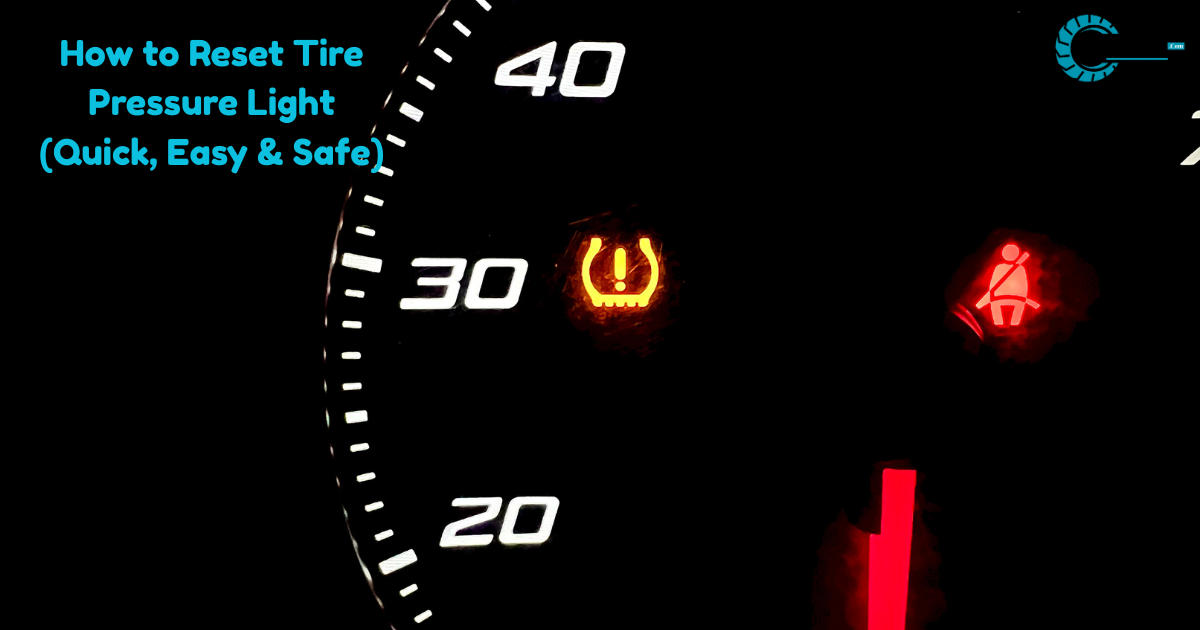
You’re halfway to work, coffee in the cup holder, traffic moving just fast enough—and then ding. That little horseshoe-shaped tire pressure light pops on. No warning. No drama. Just enough to make you wonder if you should pull over or ignore it until lunch.
If you’ve ever stared at your dashboard thinking, “I just filled my tires… why is this still on?”, you’re not alone. This is one of the most common tire-related questions drivers ask, especially after a cold snap, a long highway drive, or a routine air top-off at the gas station.
In this guide, I’ll walk you through how to reset tire pressure light properly—without guesswork, without risking your safety, and without wasting money at the dealership. I’ll also cover popular Honda models like the CR-V, Civic, Accord, and HR-V, because they’re some of the biggest culprits when it comes to confusing TPMS resets.
What the Tire Pressure Light Really Means
The tire pressure light—also called the TPMS (Tire Pressure Monitoring System) warning—comes on when your vehicle detects that one or more tires are outside the recommended pressure range.
Most modern cars use sensors inside the wheels or the ABS system to monitor pressure. When something doesn’t line up with factory specs, the light comes on. Simple as that.
What trips people up is this: fixing the pressure doesn’t always turn the light off automatically. Sometimes the system needs to be manually reset so it can relearn the correct values.
Common Causes of the Tire Pressure Light Turning On
Even if nothing is “wrong,” these everyday situations can trigger the warning:
- Cold weather – Tire pressure drops about 1 PSI for every 10°F decrease
- Recent air refill – Sensors haven’t recalibrated yet
- Slow leaks – Nails, screws, or valve stem issues
- Seasonal tire changes – Swapping wheels resets sensor data
- Sensor aging or failure – Especially on vehicles over 7–10 years old
Symptoms & Warning Signs to Watch For
Besides the light itself, you may notice:
- Slightly softer ride or vague steering
- Uneven tire wear over time
- Poor fuel economy
- Warning message reading “Check Tire Pressure.”
- Light flashing before staying solid (often a sensor issue)
If the light is flashing, that’s usually a TPMS system fault—not low air.
Step-by-Step: How to Reset Tire Pressure Light
Step 1: Check and Adjust Tire Pressure
Before resetting anything, do this first—always.
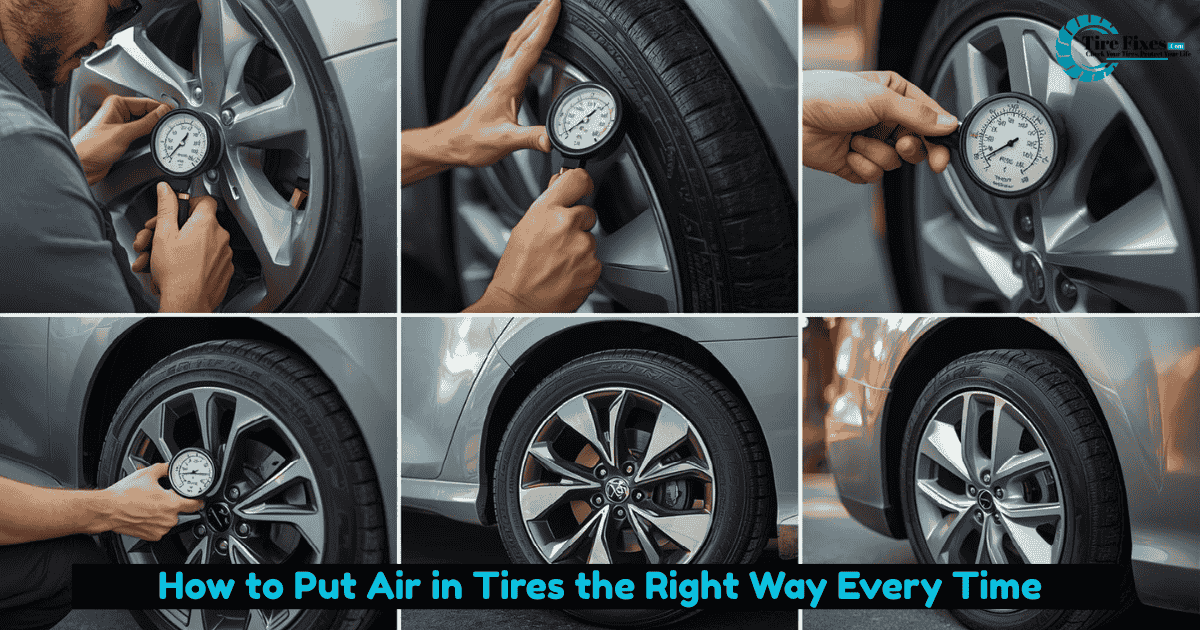
- Park on level ground and let the tires cool (at least 20–30 minutes)
- Use a reliable tire pressure gauge
- Inflate all tires to the PSI listed on the driver-side door jamb (not the tire sidewall)
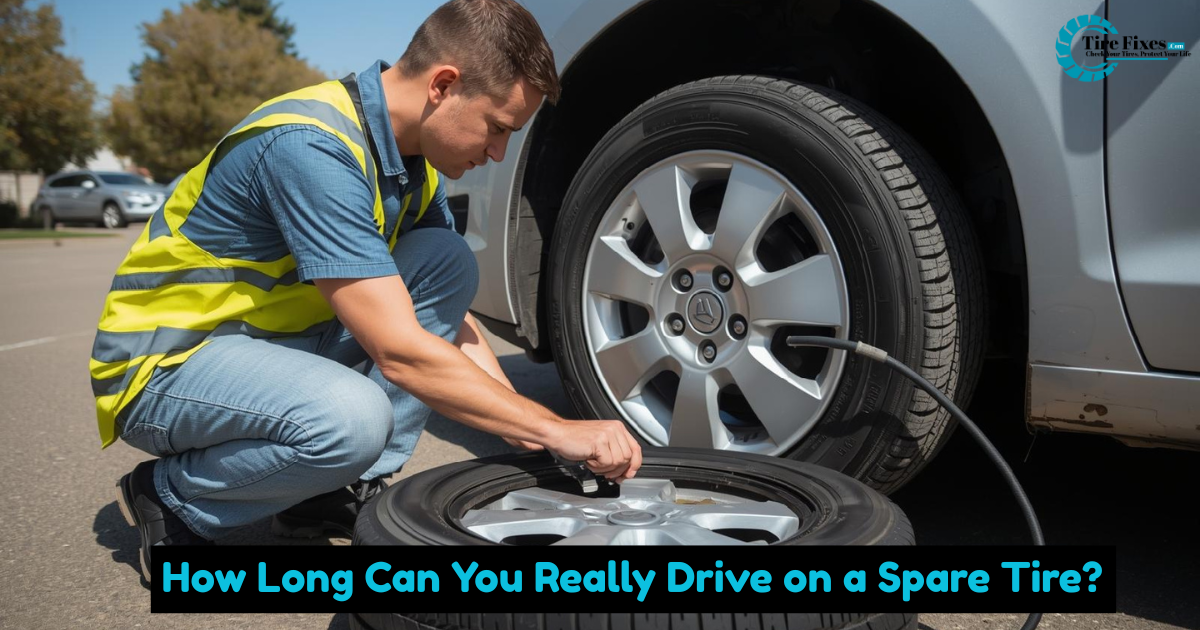
- Don’t forget the spare if your vehicle monitors it
Once pressure is correct, drive for 5–10 minutes. Many cars reset automatically.
Step 2: Use the TPMS Reset Button (If Equipped)
Most Hondas and many other vehicles have a reset option.
- Turn the ignition to ON (engine off)
- Locate the TPMS reset button (usually under the dash or left of the steering wheel)
- Press and hold until the light blinks
- Start the car and drive normally
How to Reset Tire Pressure Light on Honda Models
Honda CR-V (2016+ models)
- Use the touchscreen
- Go to Settings → Vehicle → TPMS Calibration
- Select Calibrate and drive normally
Honda Civic
- Older models: Use the reset button
- Newer models: Menu-based TPMS calibration
- Drive for about 10–20 minutes after the reset
Honda Accord
- Similar to Civic
- Calibration through the dashboard or infotainment screen
- No physical reset button on newer trims
Honda HR-V
- Settings → Vehicle → TPMS Calibration
- Must drive steadily above 30 mph for system relearn
If you’re wondering how to reset tire pressure light Honda CR-V, Civic, Accord, or HR-V, these steps cover most US models.
Step 3: Disconnect the Battery (Last Resort)
This works on older vehicles:
- Turn the car off
- Disconnect the negative battery terminal
- Wait 10–15 minutes
- Reconnect and drive
This resets multiple systems, so expect clock and radio presets to reset too.
How to Reset Tire Pressure Light: DIY Reset vs Professional Help
DIY Makes Sense When:
- Tire pressure was recently corrected
- No flashing TPMS light
- No recent tire damage
Professional Help Is Smarter When:
- Light keeps coming back
- One tire constantly loses air
- TPMS light flashes
- Sensors are over 8 years old
A tire shop can diagnose this in minutes with a scan tool.
Safety Considerations You Shouldn’t Ignore
Driving on underinflated tires isn’t just annoying—it’s risky.
- Reduced braking performance
- Increased blowout risk on highways
- Poor handling in rain or snow
- Extra heat buildup inside the tire
If the tire pressure light comes on while driving, slow down and check pressure as soon as safely possible.
Cost Expectations (US-Based)
Most resets cost nothing if you do them yourself.
- Tire pressure check: Free at many gas stations
- TPMS reset: Free (DIY)
- TPMS sensor replacement: $50–$150 per wheel
- Diagnostic scan: $0–$40 at most tire shops
Dealerships usually charge more—but often for the same fix.
How to Prevent the Light from Coming Back
A little routine goes a long way:
- Check tire pressure monthly
- Always adjust pressure when seasons change
- Replace valve stems during tire changes
- Avoid cheap aftermarket sensors
- Rotate tires regularly
Common Mistakes Drivers Make
- Inflating to tire sidewall PSI instead of the door sticker
- Resetting the light without fixing the pressure
- Ignoring a flashing TPMS warning
- Forgetting the spare tire
- Assuming the system is “just broken.”
Final Advice From Experience
The tire pressure light isn’t your enemy—it’s your early warning system. Once you understand how to reset a tire pressure light properly, it stops being stressful and starts being useful.
If the light comes back after a correct reset, don’t ignore it. That’s your car telling you something else needs attention.
FAQs About How to Reset Tire Pressure Light
Q1: How long does it take for the tire pressure light to reset?
Usually, 5–20 minutes of driving after proper inflation. Some vehicles reset instantly, while others need steady speeds above 30 mph.
Q2: Can I reset the tire pressure light without a reset button?
Yes. Many newer vehicles use menu-based calibration through the infotainment system or reset automatically after driving.
Q3: Why is my tire pressure light on, but the tires are fine?
Cold weather, sensor lag, or a failing TPMS sensor can trigger the light even when pressure looks normal.
Q4: Is it safe to drive with the tire pressure light on?
Short distances at low speed may be okay, but prolonged driving isn’t recommended until pressure is verified.
Q5: How often do TPMS sensors fail?
Most last 7–10 years. Battery failure is the most common reason they stop working.

2 Comments