
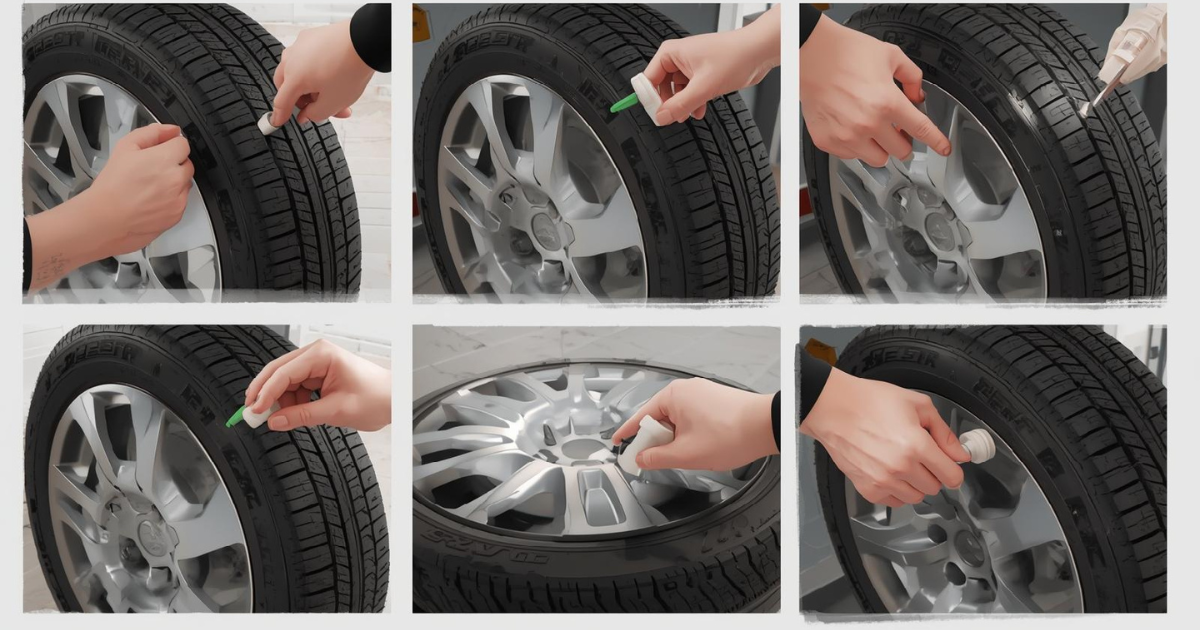
You’re driving home after work, maybe cruising down the interstate or cutting through a back road, when the TPMS light pops on. At first, you ignore it. A mile later, the steering feels off. You pull into a gas station, hop out, and there it is—a screw sitting dead center in your tire.
Most of us have been there. It’s late, tire shops are closing, and you just want to get home without calling a tow truck. That’s usually when the question hits: Can I plug this tire myself? The short answer—yes, in many cases, you can. But only if you do it the right way.
This guide walks you through how to plug a tire safely, realistically, and without the fluff. I’ll explain when a plug works, when it doesn’t, and what experienced mechanics actually do in real-world situations.
How to Plug a Tire Problem: Explanation
A tire plug is a temporary-to-semi-permanent fix for small punctures caused by nails, screws, or sharp road debris. These punctures usually happen in the tread area, not the sidewall.
When air escapes slowly, the tire loses pressure over time, affecting handling, braking, and fuel economy. Left unchecked, a small puncture can ruin an otherwise good tire. Plugging seals the hole from the outside, preventing air loss and buying you time—or sometimes fully solving the issue.
The key is knowing which punctures are safe to plug and understanding the limitations of this repair.
Common Causes
Most tire punctures don’t happen dramatically. They’re usually picked up during everyday driving:
- Nails or screws from construction zones or highways
- Sharp debris on city streets or parking lots
- Metal shards near industrial areas
- Gravel roads kicking up sharp objects
- Running over debris after storms or accidents
If the object penetrates the tread straight-on, a plug is often possible.
Symptoms / Warning Signs
A tire that needs plugging usually gives you some warning:
- TPMS or low tire pressure light turns on
- Tire looks visibly low or uneven
- Hissing sound near the tread
- Repeated need to add air
- Car pulling slightly to one side
If the tire goes flat fast or the sidewall is damaged, stop driving immediately.
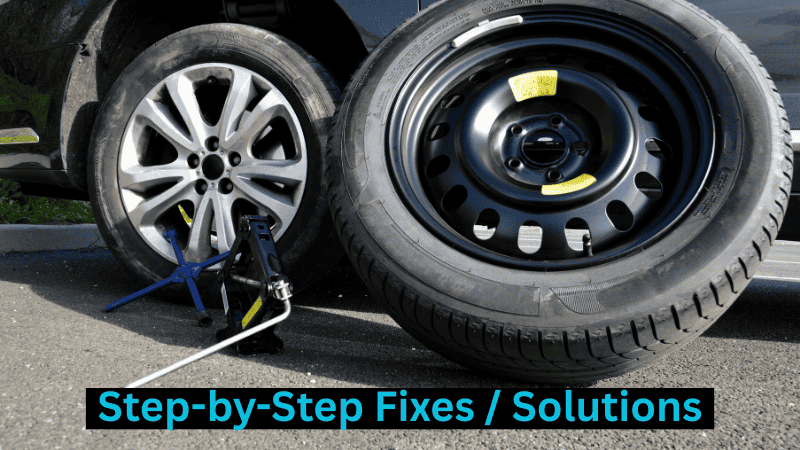
Step-by-Step Fixes / Solutions
Tools You’ll Need
Before learning how to plug a tire, make sure you have:
- Tire plug kit (reamer, insertion tool, plugs)
- Pliers
- Air compressor or portable inflator
- Spray bottle with soapy water
- Gloves (recommended)
Step-by-Step: How to Plug a Tire
- Locate the puncture
Spray soapy water over the tread. Look for bubbles forming. - Remove the object
Use pliers to pull out the nail or screw straight out. - Ream the hole
Push the reaming tool in and out a few times to clean and roughen the hole. This helps the plug seal properly. - Prepare the plug
Thread the plug through the insertion tool so it’s evenly centered. - Insert the plug
Push it firmly into the hole until about ½ inch remains exposed. - Pull the tool out quickly
The plug should stay lodged in the tire. - Trim excess plug material
Cut it flush with the tread. - Reinflate the tire
Bring it back to the manufacturer’s recommended PSI. - Check for leaks
Spray soapy water again. No bubbles means a successful seal.
DIY vs Professional Repair
DIY tire plugs are convenient, but they’re not always the best long-term solution.
DIY Plug Pros
- Fast roadside fix
- Costs under $15
- No waiting for a shop
DIY Plug Cons
- Not ideal for larger punctures
- Doesn’t inspect internal tire damage
Professional Repair Pros
- Uses internal patch-plug combo
- Inspects tire structure
- Safer for long-term driving
If you plan to drive thousands of miles or at highway speeds daily, a shop repair is the safer bet.
Safety Considerations
Not every tire should be plugged. For safety reasons:
- Never plug sidewall punctures
- Avoid plugs on holes larger than ¼ inch
- Don’t plug run-flat tires unless approved
- Avoid plugging if tire was driven flat
If the tire shows bulging, cracking, or uneven wear, replacement is the safer option.
Cost Expectations
- DIY plug kit: $10–$20
- Professional plug/patch: $20–$40
- New tire (if replacement needed): $120–$300+
Plugging a tire is one of the cheapest tire fixes available when done correctly.
Prevention Tips
Reduce future punctures with a few habits:
- Avoid construction zones when possible
- Don’t drive on shoulders unnecessarily
- Check tire pressure monthly
- Replace worn tires early
- Keep a plug kit in your trunk
A little attention goes a long way.
Common Mistakes
- Plugging sidewall damage
- Skipping the reaming step
- Not checking for leaks after
- Driving aggressively right after plugging
- Treating plugs as permanent without inspection
These mistakes can turn a small fix into a blowout.
Conclusion / Final Advice
Learning how to plug a tire is a valuable skill every driver should have. It can save time, money, and stress when you’re stuck far from help. Just remember—plugs work best for small tread punctures and should be checked regularly. When in doubt, have a professional inspect the tire for peace of mind.
FAQs
1. Can a plugged tire be driven long-term?
Yes, many plugged tires last thousands of miles. However, for long-term reliability, a patch-plug combo from a tire shop is safer.
2. Is plugging a tire legal in the US?
Yes. Tire plugs are legal for temporary and sometimes permanent repairs when done correctly in the tread area.
3. How long does a tire plug last?
A properly installed plug can last months or even years, but it should be inspected regularly.
4. Can I plug a tire without removing it?
Yes. Most DIY plugs are installed without removing the wheel, making roadside repairs possible.
5. Is a tire plug better than sealant?
Yes. Plugs physically seal the hole, while sealants are temporary and can damage TPMS sensors.




One Comment