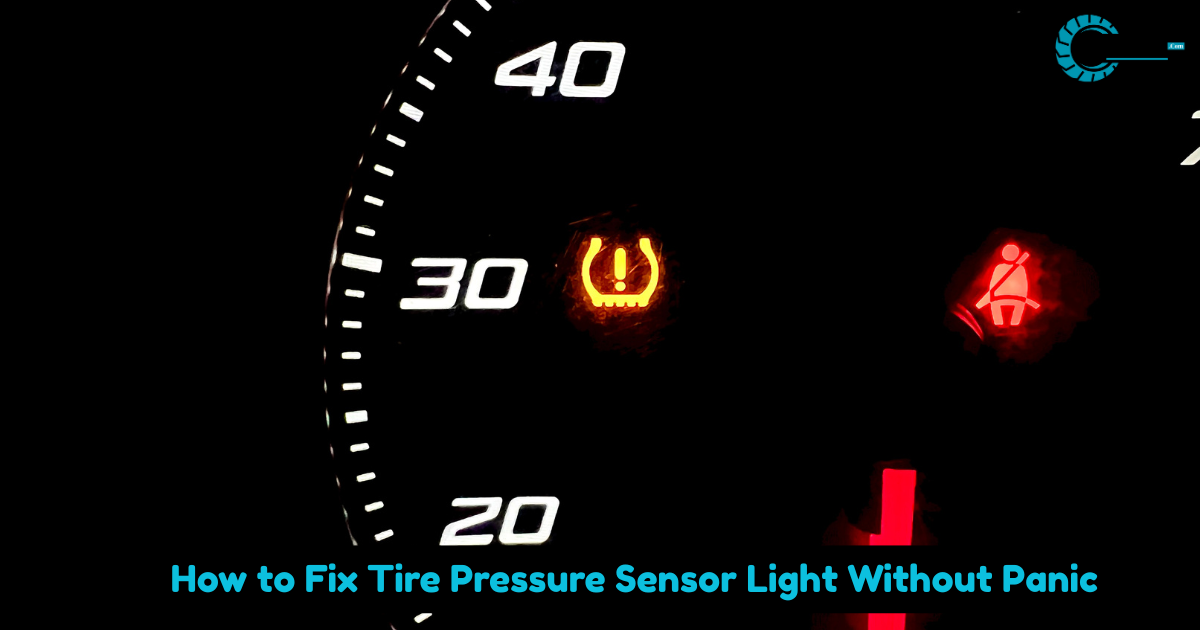
You’re cruising down the highway, coffee in the cup holder, playlist just right—and then ding. That little tire pressure warning light pops on. No flat tire. The car feels fine. Yet there it is, staring at you from the dash like it knows something you don’t.
If you’ve ever pulled into a gas station just to kick all four tires (we’ve all done it), you’re not alone. Tire pressure sensor issues are one of the most common and most misunderstood problems drivers face today. The good news? In many cases, fixing a tire pressure sensor fault is easier—and cheaper—than people expect.
This guide breaks down exactly how to fix tire pressure sensor problems, what causes them, when you can handle it yourself, and when it’s smarter to call in a pro. No scare tactics. Just real-world advice from the driver’s seat.
What Is a Tire Pressure Sensor Problem?
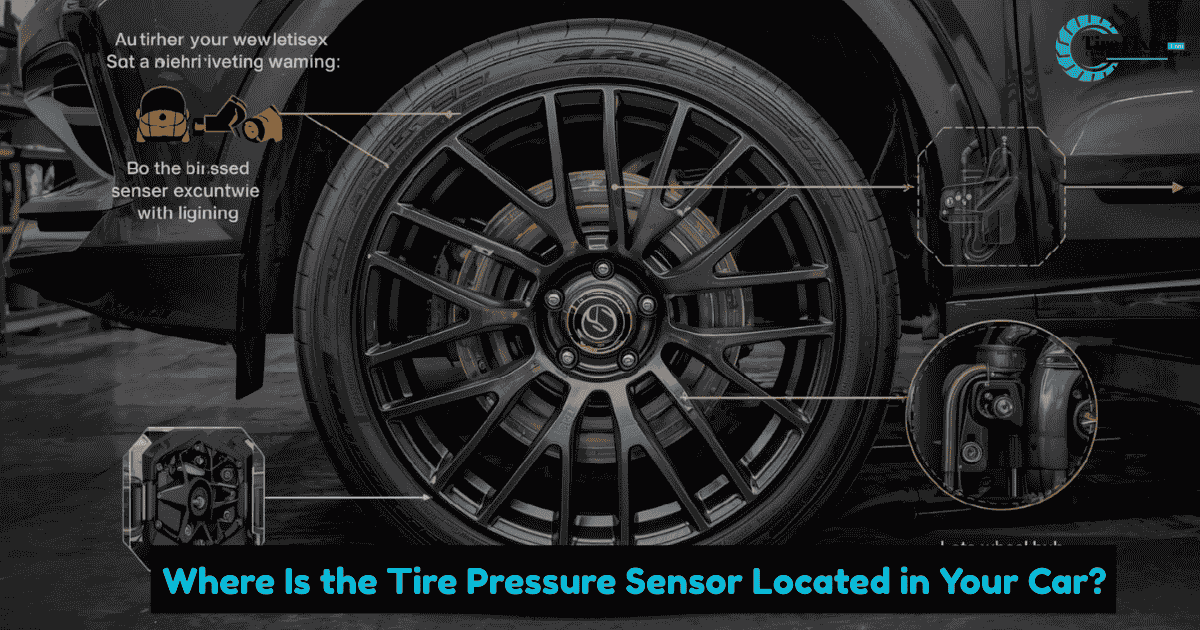
A tire pressure sensor, part of your vehicle’s TPMS (Tire Pressure Monitoring System), keeps tabs on air pressure inside each tire. When pressure drops too low—or the system thinks it does—the warning light comes on.
Sometimes the issue is real, like a slow leak after hitting a pothole. Other times, it’s a sensor fault caused by temperature changes, dead batteries, or a system that simply needs resetting. The car isn’t always good at explaining which one it is.
Ignoring it isn’t smart. Low tire pressure affects braking, handling, fuel economy, and tire life—especially on long highway drives or in bad weather.
Common Causes of Tire Pressure Sensor Faults
Most TPMS problems come from a handful of everyday situations, not major mechanical failures.
- Temperature swings: Cold mornings can drop tire pressure overnight, triggering the light.
- Low tire pressure: Slow leaks from nails, valve stems, or aging tires.
- Dead sensor battery: Most TPMS sensors last 5–10 years.
- Recent tire service: Rotations or replacements without sensor recalibration.
- Faulty sensor: Physical damage from road debris or improper installation.
If the light came on right after a tire change, odds are it’s a reset issue—not a bad sensor.
Symptoms and Warning Signs to Watch For
TPMS issues don’t always look the same. Common signs include:
- Tire pressure warning light stays on constantly
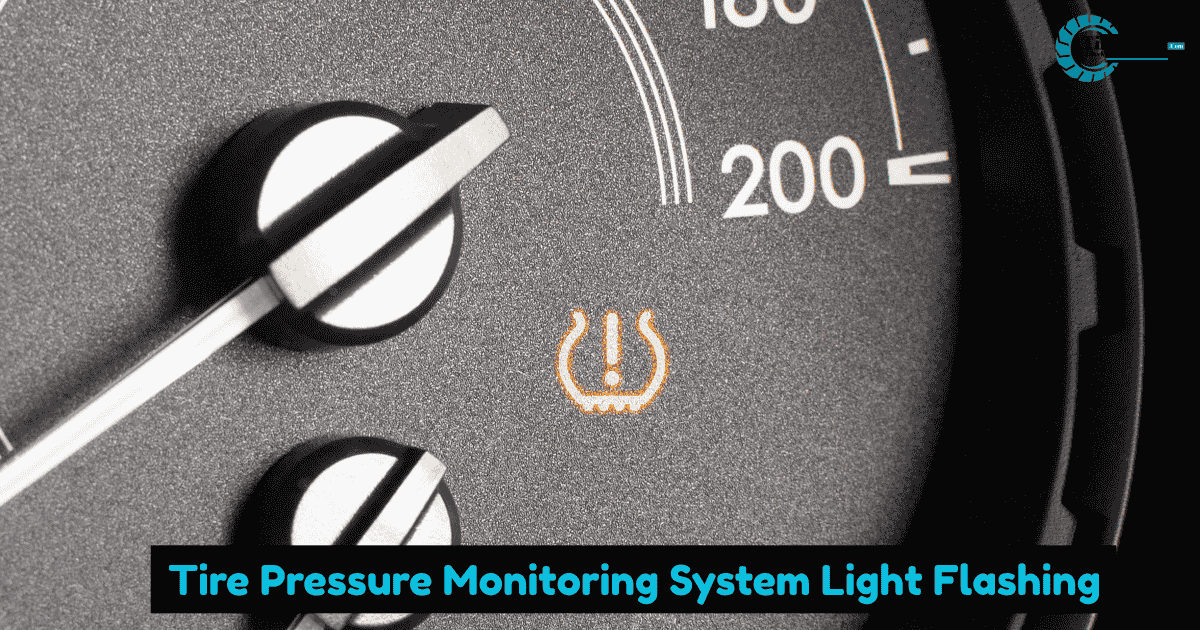
- Light flashes, then stays solid
- “TPMS Fault” or “Check Tire Pressure System” message
- Light comes on even after inflating tires correctly
A flashing light usually points to a sensor or system problem rather than low air pressure.
Step-by-Step: How to Fix Tire Pressure Sensor Issues
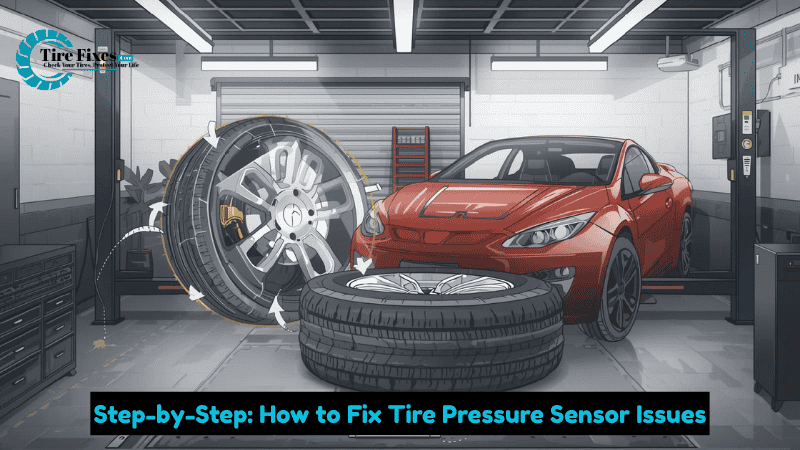
Step 1: Check and Inflate All Tires Properly
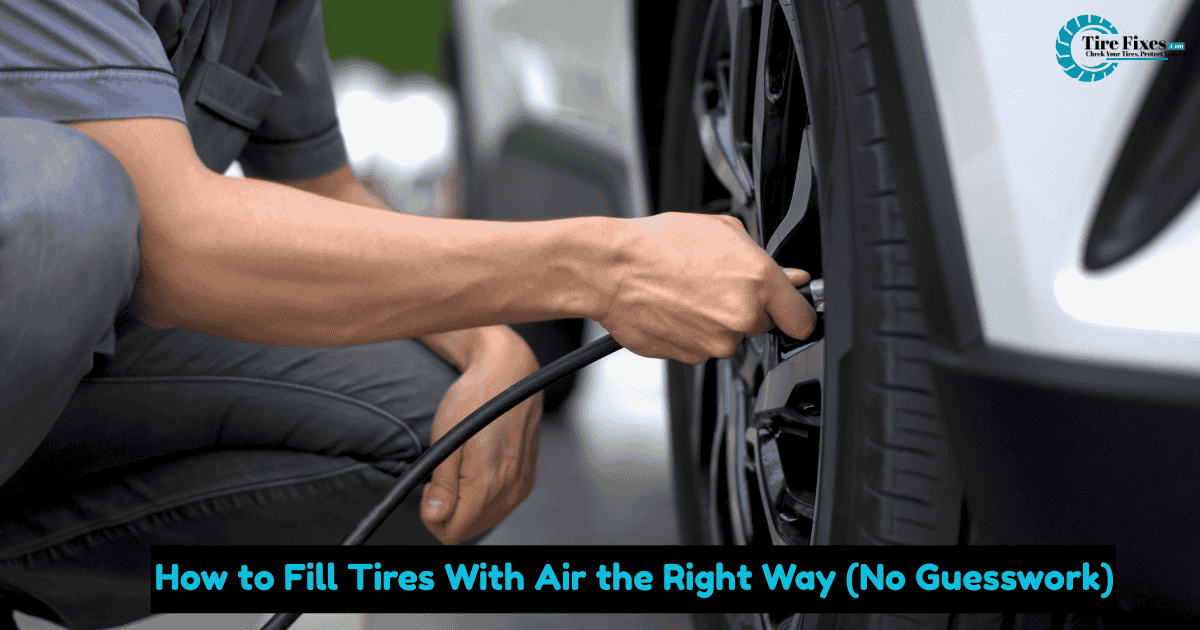
Start simple. Use a quality tire gauge—not the gas station stick if you can avoid it.
- Check tire pressure when tires are cold
- Inflate to the PSI listed on the driver’s door jamb
- Don’t forget the spare if your vehicle monitors it
Many TPMS lights turn off automatically after proper inflation and a short drive.
Step 2: Drive to Allow the System to Relearn
After inflating, drive for 10–20 minutes at normal speeds. Some systems need wheel rotation and speed data to recalibrate.
If the light goes out, you’re done. If not, keep going.
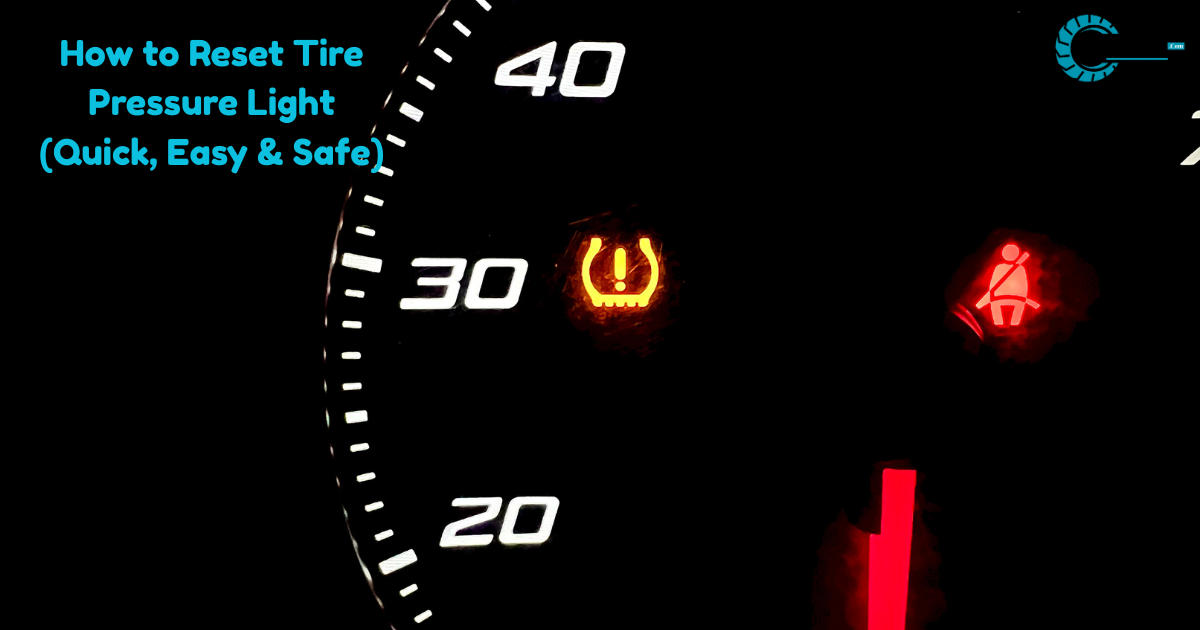
Step 3: Manually Reset the TPMS
Many vehicles allow a manual reset:
- Turn the key to “On” (engine off)
- Press and hold the TPMS reset button until the light blinks
- Start the car and drive
Some newer vehicles require a reset through the infotainment screen.
Step 4: Inspect for Tire Damage or Slow Leaks
If pressure drops again within days, you likely have a leak. Look for:
- Nails or screws in the tread
- Cracks in the sidewall
- Damaged valve stems
A simple patch or valve replacement often solves the issue.
Step 5: Diagnose a Sensor Fault
If the light flashes or won’t reset, the sensor itself may be bad. At this point, a TPMS scan tool is needed to identify which sensor isn’t communicating.
Most tire shops can do this quickly.
DIY vs Professional Tire Pressure Sensor Repair
DIY makes sense when:
- The issue is low tire pressure
- A simple reset fixes the problem
- You’re comfortable checking PSI regularly
Professional help is better when:
- The TPMS light flashes
- Sensors need replacement
- Tires are being removed from the wheel
TPMS sensors are mounted inside the tire. Replacing one without proper tools can damage the tire or wheel.
Safety Considerations You Shouldn’t Ignore
Driving with low tire pressure isn’t just a dashboard annoyance.
- Increased stopping distance
- Higher risk of blowouts at highway speeds
- Poor traction in rain or snow
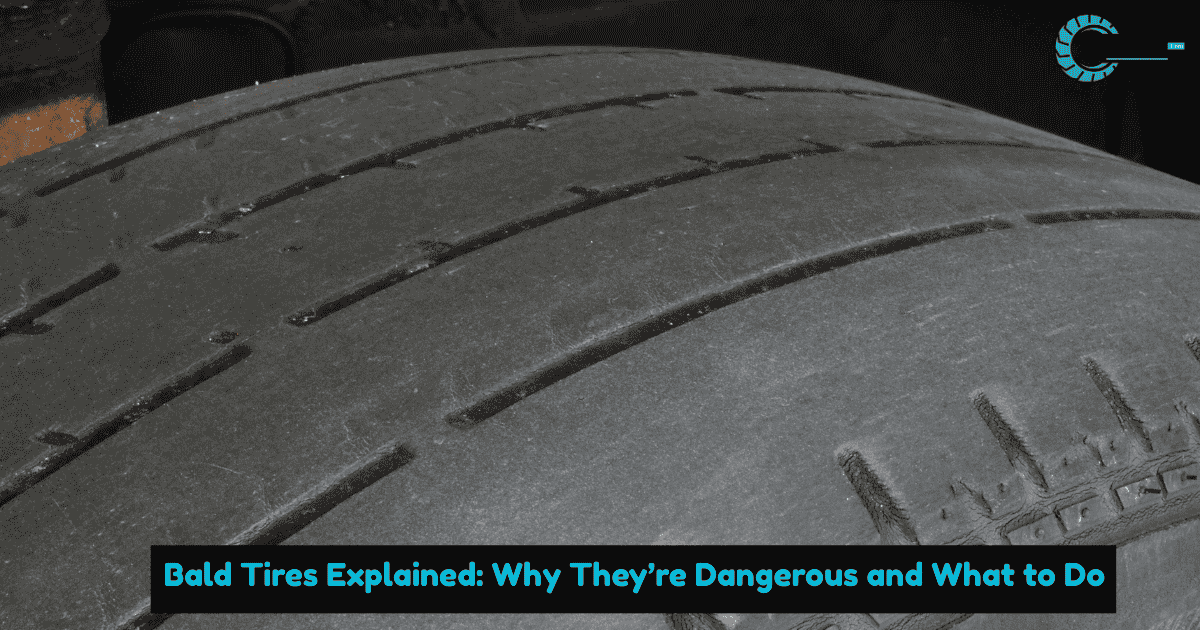
- Uneven tire wear that shortens tire life
If the TPMS light comes on during a long trip, stop and check pressure as soon as it’s safe. Especially in summer heat or winter cold.
How Much Does It Cost to Fix a Tire Pressure Sensor?
Costs vary depending on the fix:
- Air check/reset: Free to $20
- Valve stem repair: $20–$40
- TPMS sensor replacement: $60–$150 per sensor (parts + labor)
- Full system relearn: Often included with tire service
So if you’re wondering how much to fix tire pressure sensor issues, expect anything from nothing to a couple hundred bucks—rarely more.
Tips to Prevent TPMS Problems in the Future
A little habit-building goes a long way.
- Check tire pressure monthly
- Inflate tires before long road trips
- Replace sensors during tire replacement if they’re old
- Avoid cheap valve caps that corrode stems
Most TPMS failures happen because of neglect, not bad luck.
Common Mistakes Drivers Make
- Ignoring the TPMS light for months
- Overinflating tires to “make the light go away”
- Replacing sensors without proper diagnosis
- Forgetting to reset TPMS after tire rotation
The system is simple—but only if you respect it.
Final Thoughts: Don’t Let the TPMS Light Stress You Out
Learning how to fix tire pressure sensor problems takes the mystery out of that annoying dash light. Most issues are minor, affordable, and preventable. Treat the warning as useful info—not a crisis—and your tires will reward you with safer, smoother miles ahead.
FAQs About How to Fix Tire Pressure Sensor
1. Can I drive with the tire pressure sensor light on?
Yes, but only short-term. You should check tire pressure immediately. Driving long distances with low pressure can damage tires and affect safety.
2. Why does my tire pressure light come on in cold weather?
Cold air reduces tire pressure naturally. A sudden temperature drop overnight is often enough to trigger the sensor.
3. How long do tire pressure sensors last?
Most TPMS sensors last 5–10 years. Battery failure is the most common reason they stop working.
4. Do I need to replace all sensors at once?
Not always. However, if one fails and others are old, replacing them together can save labor costs later.
5. Will disconnecting the battery reset the TPMS?
Sometimes, but it’s unreliable. Proper TPMS reset procedures are safer and more effective.
6. Is TPMS required by law?
Yes. In the US, TPMS has been mandatory on new vehicles since 2008.