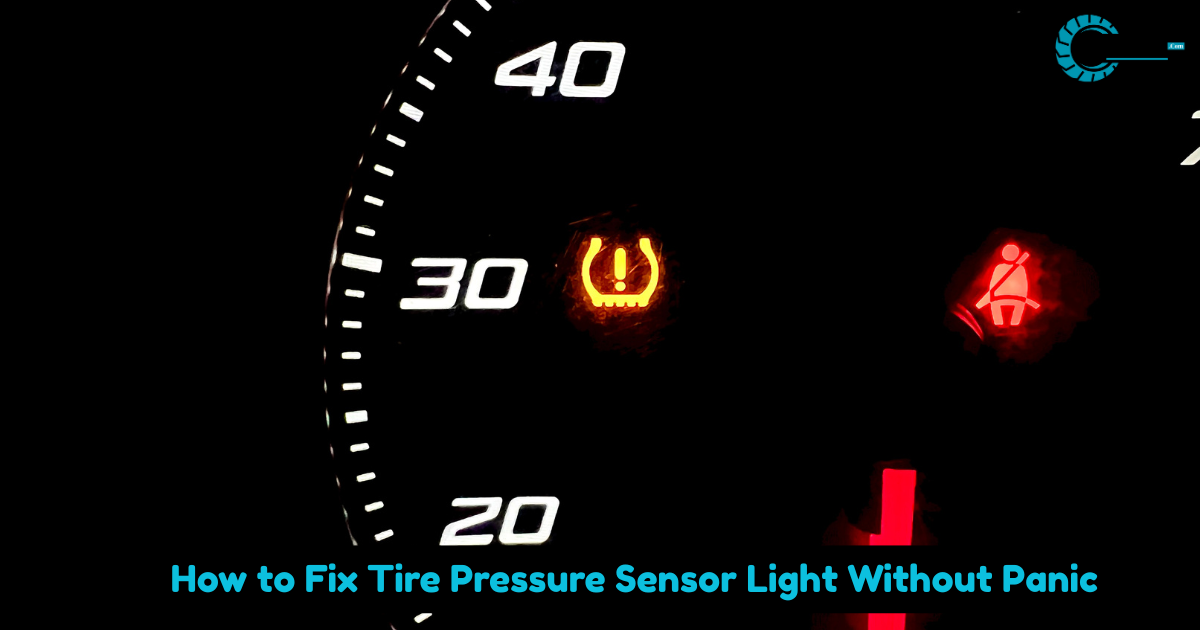
You’re pulling out of your driveway on a chilly morning, coffee in hand, and suddenly that tire pressure warning light pops on. Maybe the car feels a little sluggish, or you notice the steering isn’t as sharp as usual. Most drivers brush it off, but low tire pressure is one of those small issues that can quietly turn into a big, expensive problem if you ignore it.
Knowing how to fill tires with air isn’t just a “nice-to-have” skill—it’s basic car ownership. I’ve seen perfectly good tires ruined, fuel economy drop, and even blowouts happen simply because tires weren’t inflated properly. The good news? Filling car tires with air is quick, cheap, and something anyone can do in under 10 minutes once you know the right steps. Let’s walk through it the smart, safe way.
What Does It Mean to Have Low Tire Pressure?
Tire pressure refers to the amount of air inside your tires, measured in PSI (pounds per square inch). When pressure drops below the recommended level, the tire can’t support the vehicle properly. This causes excess flexing, heat buildup, and uneven wear.
Low pressure usually happens gradually. Temperature changes, normal air loss, or small leaks all play a role. Even a tire that “looks fine” can be 5–10 PSI low, which is enough to affect handling and safety. That’s why understanding how to fill up tires with air correctly matters more than most people think.
Common Causes of Low Tire Pressure
Low tire pressure doesn’t always mean you have a puncture. In fact, most cases are completely normal.
- Cold weather: For every 10°F drop in temperature, tires lose about 1 PSI
- Normal air seepage: Tires naturally lose air over time
- Long periods of sitting: Cars parked for weeks often lose pressure
- Small punctures or slow leaks: Nails, screws, or valve stem issues
- Poor previous inflation: Tires never set to the correct PSI
Symptoms and Warning Signs
If you’re not watching the pressure gauge, your car may still give you clues.
- TPMS (tire pressure) warning light on the dashboard
- Car feels “heavy” or sluggish when accelerating
- Steering feels less responsive
- Uneven or rapid tire wear
- Lower fuel economy than usual
Step-by-Step: How to Fill a Tire With Air Properly
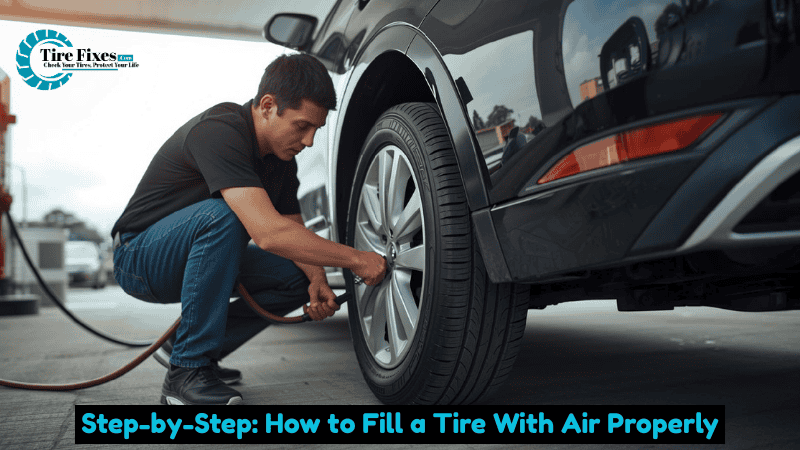
This is the part every driver should know. Whether you’re at a gas station or using a home compressor, the process is the same.
Step 1: Find the Correct Tire Pressure
Open the driver-side door and look for the sticker on the door jamb. It lists the recommended PSI for front and rear tires. Do not use the PSI printed on the tire sidewall—that’s the maximum, not what your car needs.
Step 2: Check Tire Pressure When Tires Are Cold
For best accuracy, check pressure before driving or after the car has been parked for at least 3 hours. Warm tires give false high readings.
Step 3: Remove the Valve Cap
Unscrew the small plastic cap on the tire valve stem and set it somewhere safe. They’re easy to lose.
Step 4: Check Current PSI
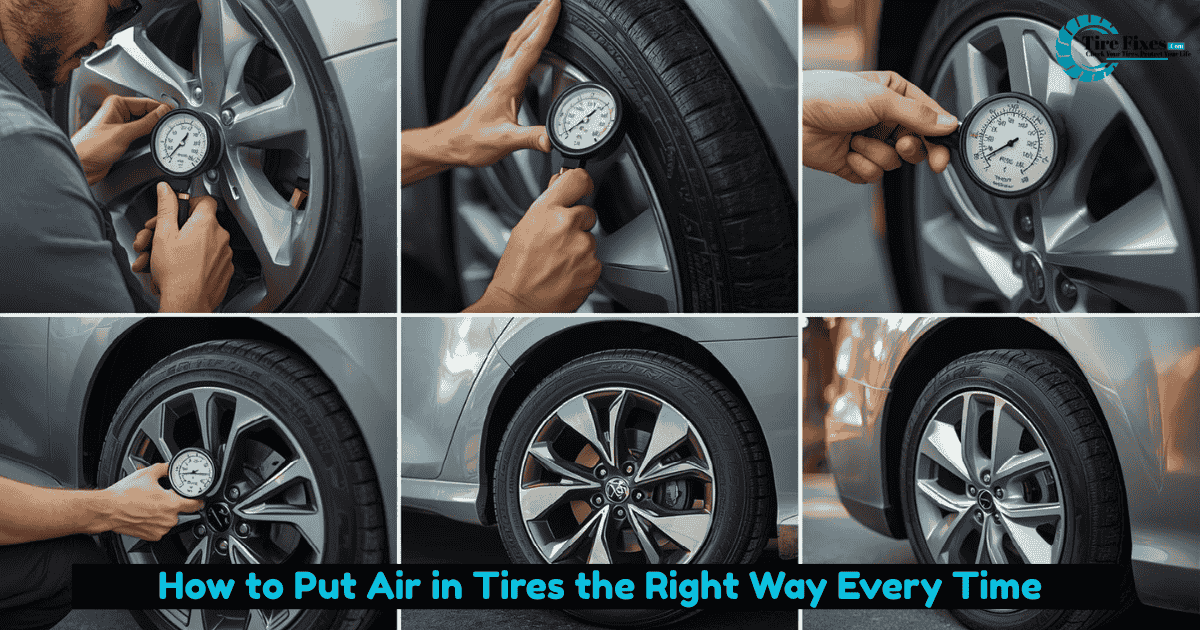
Press a tire pressure gauge firmly onto the valve stem. Note the PSI reading and compare it to the recommended number.
Step 5: Add Air in Short Bursts
Attach the air hose securely and add air in short bursts. Stop and recheck the pressure often to avoid overfilling.
Step 6: Adjust as Needed
If you overfill, gently press the valve stem pin to release air until you hit the correct PSI.
Step 7: Replace Valve Cap
Once done, screw the valve cap back on tightly to keep dirt and moisture out.
Repeat this process for all four tires—and don’t forget the spare if your vehicle has one.
DIY Tire Inflation vs Professional Help
Most drivers can handle filling car tires with air themselves, but there are times when professional help makes sense.
DIY Inflation Pros
- Free or very cheap
- Takes less than 10 minutes
- Convenient anytime
DIY Inflation Cons
- Doesn’t fix leaks
- Requires basic tools
Professional Help Pros
- Leak detection
- Accurate digital gauges
- Tire inspection included
Professional Help Cons
- Costs more
- Takes extra time
If you’re adding air repeatedly every few days, that’s a sign to visit a tire shop.
Safety Considerations When Filling Tires
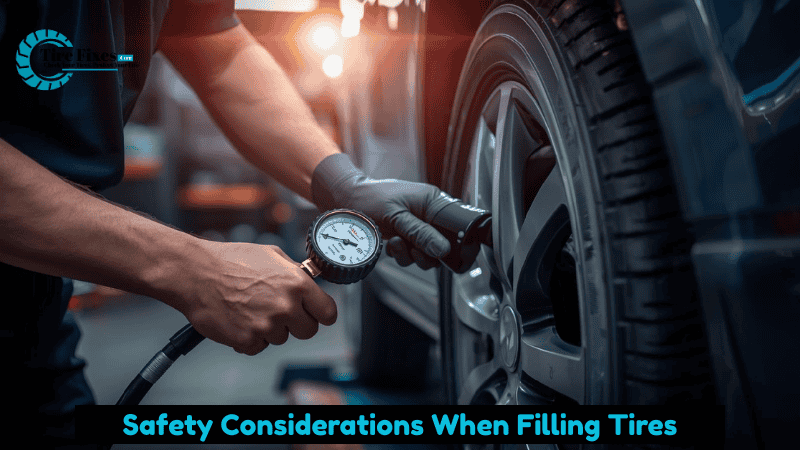
Tire safety is no joke. I’ve seen tires explode from severe overinflation, especially in hot weather.
- Never exceed manufacturer-recommended PSI
- Avoid inflating visibly damaged or bulging tires
- Stand to the side, not directly in front of the tire
- Use reliable gauges and air pumps
- If a tire won’t hold air, stop and get it checked
Cost Expectations in the US
- Gas station air: Free to $2
- Portable air compressor: $25–$60 one-time cost
- Tire shop air check: Often free
- Leak repair: $15–$30
Keeping tires properly inflated is one of the cheapest ways to protect your car.
Prevention Tips to Avoid Low Tire Pressure
- Check tire pressure once a month
- Always check before long road trips
- Inspect tires after major temperature changes
- Replace missing valve caps
- Fix slow leaks early
Common Mistakes Drivers Make
- Using the tire sidewall PSI instead of the door sticker
- Only fill tires when the warning light comes on
- Ignoring the spare tire
- Overinflating “just to be safe.”
- Forgetting to recheck pressure
Final Advice From the Garage
Learning how to fill tires with air is one of the simplest car maintenance skills, but it pays off big in safety, fuel savings, and tire life. Make it a habit, not a reaction. Five minutes once a month can save you hundreds down the road—and keep you safer on every drive.
FAQs
1. How often should I fill my car tires with air?
Most tires lose air slowly over time, so checking pressure once a month is ideal. You should also check before long trips or major weather changes.
2. Can I drive with slightly low tire pressure?
A few PSI low won’t cause immediate damage, but driving long-term like this leads to uneven wear, poor handling, and reduced fuel economy.
3. Is it okay to fill tires at a gas station?
Yes, gas station air pumps work fine. Just make sure you use a reliable pressure gauge and don’t overinflate.
4. Should front and rear tires have the same PSI?
Not always. Many vehicles require different pressures for front and rear tires, so always follow the door sticker.
5. Does tire pressure increase while driving?
Yes. Heat from driving increases air pressure, which is why tires should be checked when cold.
6. Why does my tire pressure light stay on after filling?
The system may need to be reset, or one tire may still be low. Drive a few miles or manually reset the TPMS if your vehicle allows it.