
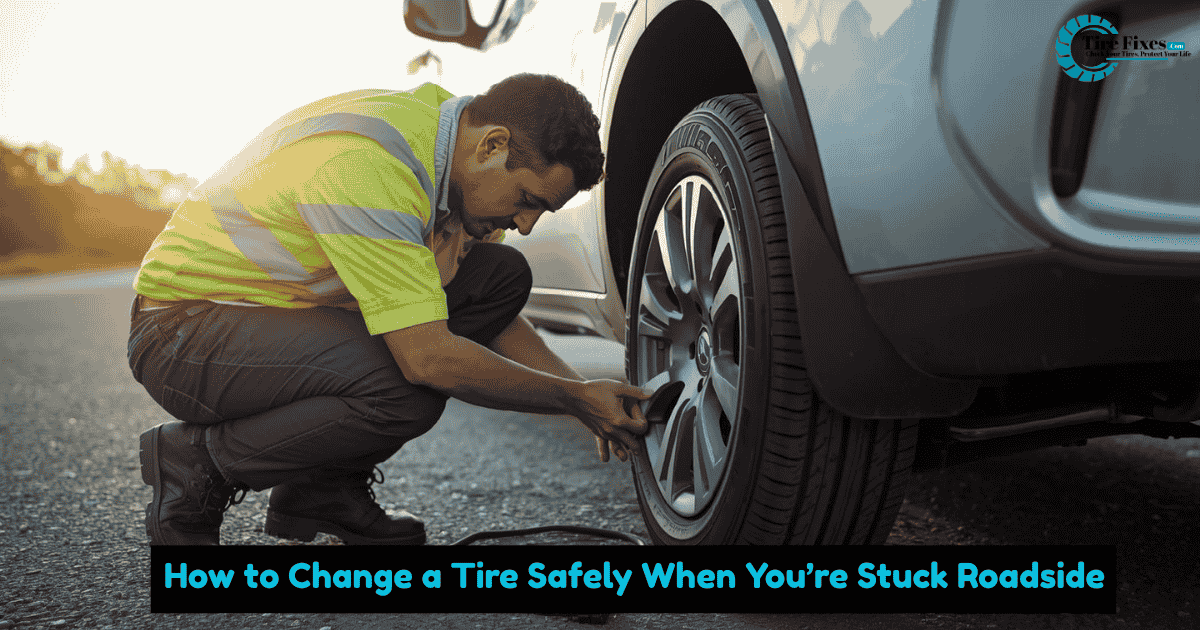
It always seems to happen at the worst possible time. You’re late for work, it’s raining, traffic is flying by at 70 mph, and suddenly the steering wheel starts pulling. Yep—flat tire. If you drive long enough in the U.S., especially on pothole-filled city streets or sun-baked highways, changing a tire becomes a life skill, not a “nice to know.”
Knowing how to change a tire can save you hours waiting for roadside assistance, not to mention a hefty tow bill. I’ve changed tires in grocery store parking lots, on the shoulder of I-95, and once in the middle of nowhere with no cell signal. It’s never fun—but it’s doable, even if you’re not mechanically inclined. This guide walks you through the process in plain English, explains how long it actually takes, and helps you decide when DIY makes sense and when it doesn’t.
Problem Explanation
Why Flat Tires Happen When You Least Expect Them
A flat tire isn’t just bad luck. Most of the time, it’s the result of everyday driving hazards—construction debris, worn tread, or underinflation. When a tire loses air, it can’t support the vehicle properly, making driving unsafe almost immediately.
Changing a tire isn’t about being a car expert. It’s about knowing the basic steps, having the right tools, and staying safe while doing it. Whether you’re dealing with a full blowout or a slow leak that finally gave up, the fix starts the same way.
Common Causes
What Usually Leads to a Flat Tire
- Nails, screws, or road debris from construction zones and highways
- Potholes and curb impacts, especially after winter freeze-thaw cycles
- Low tire pressure that causes sidewall damage over time
- Worn-out tread that can’t handle sharp objects anymore
- Dry rot or aging tires, common on older vehicles or spares
Symptoms / Warning Signs
Signs You’re About to (or Already Have) a Flat
- Steering feels heavy or pulls to one side
- Thumping or flapping noise while driving
- TPMS warning light comes on
- Visible sagging or bulge in the tire
- Vehicle feels unstable, especially at higher speeds
If you notice any of these, slow down and find a safe place to pull over immediately.
How to Change a Tire: Step-by-Step Fixes / Solutions

How to Change a Tire the Right Way
Step 1: Get to a Safe Spot
Pull over to a flat, stable area away from traffic. Turn on your hazard lights. If you’re on a busy highway, exit if possible.
Step 2: Gather Your Tools
You’ll need:
- Spare tire (check it’s inflated)
- Jack
- Lug wrench
- Wheel wedges or heavy objects (optional but helpful)
Step 3: Loosen the Lug Nuts
Before lifting the car, slightly loosen the lug nuts while the tire is still on the ground. Don’t remove them yet.
Step 4: Jack Up the Vehicle
Place the jack under the manufacturer-recommended jacking point. Raise the vehicle until the flat tire is off the ground.
Step 5: Remove the Flat Tire
Fully remove the lug nuts and pull the tire straight off. Set it aside.
Step 6: Mount the Spare
Line up the spare with the lug bolts, push it on, and hand-tighten the lug nuts.
Step 7: Lower and Tighten
Lower the car back down, then fully tighten the lug nuts in a star pattern.
Step 8: Double-Check and Drive Carefully
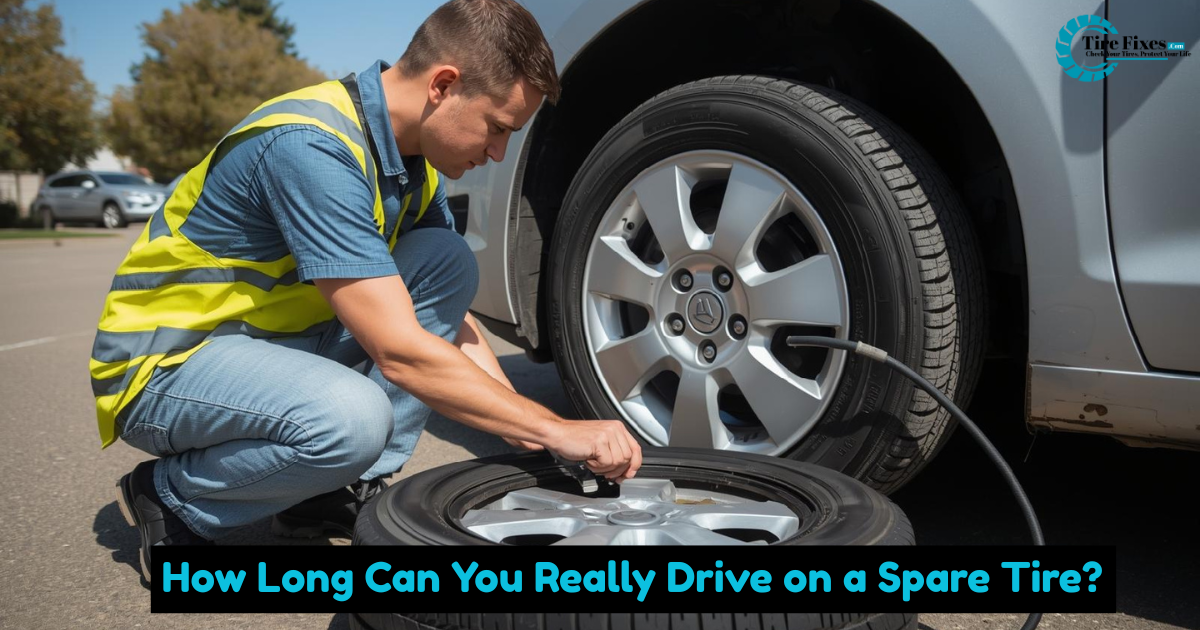
Stow your tools, check the spare’s pressure if possible, and drive cautiously. Most temporary spares are limited to 50 mph.
DIY vs Professional Repair
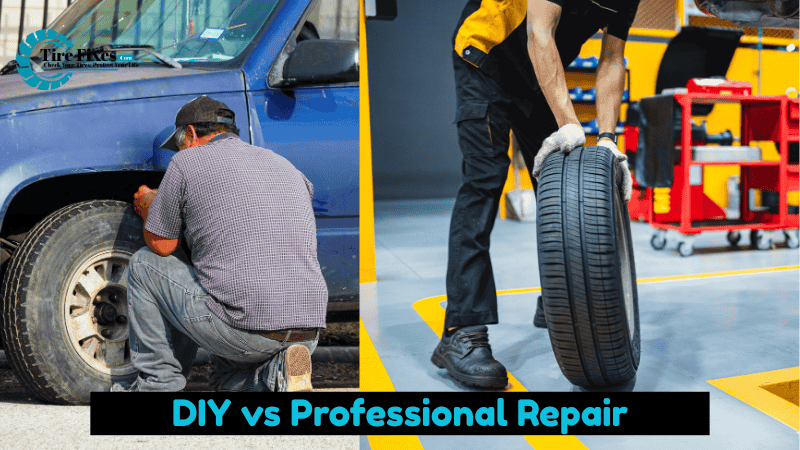
Should You Change It Yourself or Call for Help?
DIY Pros
- Faster than waiting for roadside assistance
- Saves money
- Useful skill in emergencies
DIY Cons
- Physical effort
- Risky in unsafe locations
- Not ideal in bad weather
Professional Help Makes Sense If:
- You’re on a narrow or dangerous shoulder
- The spare is missing or flat
- It’s dark, icy, or pouring rain
Knowing how long does it take to change a flat tire helps too—DIY usually takes 15–30 minutes, while roadside service can take an hour or more depending on location.
Safety Considerations
Don’t Cut Corners When It Comes to Safety
- Always use hazard lights
- Never crawl under a car supported only by a jack
- Keep passengers away from traffic
- Avoid changing tires on soft or sloped ground
- If it feels unsafe, wait for help—no tire is worth getting hurt
Cost Expectations
What It Typically Costs in the U.S.
- DIY tire change: $0 (if you already have tools)
- Roadside assistance: $75–$150
- New tire replacement: $100–$300+ depending on vehicle
Knowing how long does it take to get a tire changed at a shop—usually 30–60 minutes—can help you plan your day better.
Prevention Tips
How to Reduce the Chances of Another Flat
- Check tire pressure monthly
- Rotate tires every 5,000–7,500 miles
- Avoid potholes and road debris when possible
- Replace tires before tread gets too low
- Check your spare tire twice a year
Common Mistakes
Errors I See All the Time
- Forgetting to loosen lug nuts before jacking
- Jacking in the wrong spot
- Not tightening lug nuts evenly
- Driving too fast on a temporary spare
- Never checking spare tire pressure
Conclusion / Final Advice
Be Prepared, Not Panicked
Learning how to change a tire turns a stressful roadside breakdown into a manageable inconvenience. You don’t need to be a mechanic—just prepared. Keep your tools in the car, know the steps, and practice once at home if you can. The first time shouldn’t be on the shoulder of a busy highway.
FAQs
1. How long does it take to change a tire?
For most drivers, changing a tire takes about 15–30 minutes. First-timers may take a bit longer, especially if tools are hard to access or conditions aren’t ideal.
2. How long does it take to get a tire changed at a shop?
Most tire shops can change a tire in 30–60 minutes. Wait times depend on how busy they are and whether you need a full replacement.
3. How long does it take to change a flat tire on the roadside?
If you know the steps, about 20 minutes. Calling roadside assistance can take an hour or more, especially in rural areas.
4. How to change a bike tire and tube?
Remove the wheel, pry off the tire with tire levers, replace the tube, and reseat the tire. It usually takes 10–20 minutes once you’ve done it a few times.
5. How long does it take to change a bike tire tube?
Most cyclists can swap a tube in 10–15 minutes. Beginners may take closer to 30 minutes.
6. How long does it take to change a plane tire?
Aircraft tire changes are handled by certified mechanics and typically take 1–2 hours, depending on aircraft type and safety checks.





One Comment