If you drive an AWD vehicle, chances are you bought it for peace of mind—snowy mornings, wet highways, gravel backroads, or just better traction pulling out of a grocery store parking lot. But here’s what most drivers don’t realize until it’s too late: AWD systems can quietly destroy your tires if you don’t rotate them on time.
I’ve seen it happen countless times. A Subaru Outback owner comes in complaining about road noise at 45 mph. Another AWD SUV driver wonders why their “new” tires look bald after 18,000 miles. Nine times out of ten, the culprit is the same—missed or delayed tire rotations. Understanding how often to rotate tires AWD vehicles isn’t optional maintenance. It’s critical if you want your tires (and drivetrain) to last.
Let’s break it down in plain English, without the dealership fluff.
Problem Explanation
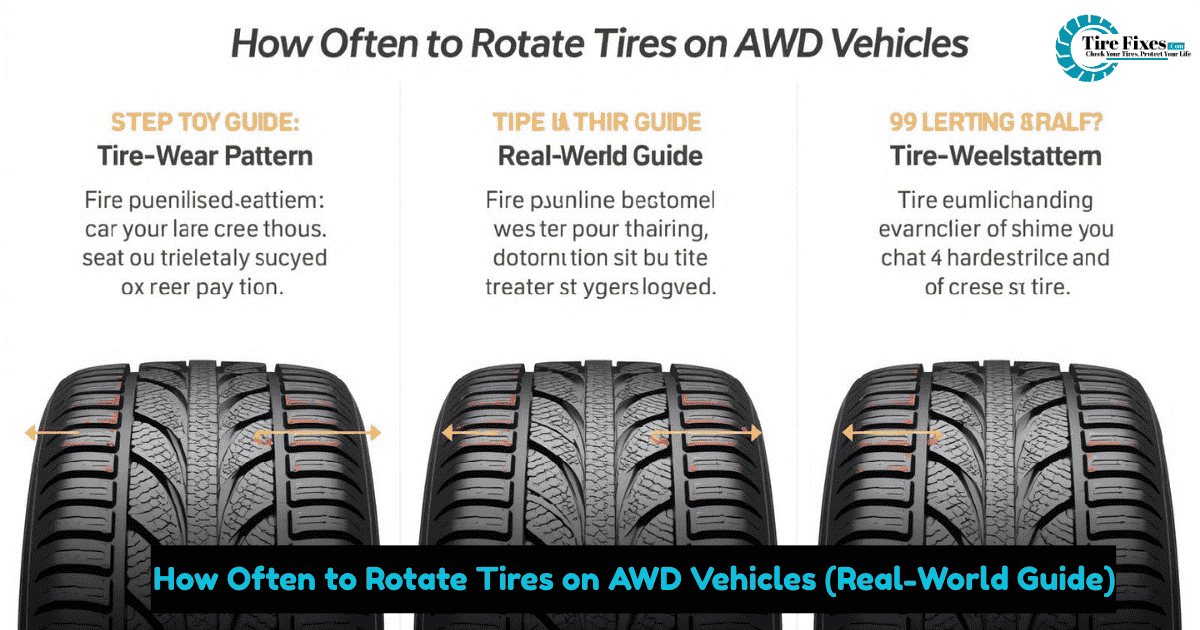
AWD vehicles send power to all four wheels, but not equally all the time. Front tires usually handle steering and a good chunk of acceleration, while rears often carry more consistent load. Over time, this creates uneven wear patterns across all four tires.
Unlike two-wheel-drive cars, AWD systems expect all tires to be nearly identical in diameter. When tire wear gets uneven, the system works harder to compensate. That extra strain can shorten tire life and, in worst cases, damage expensive drivetrain components. That’s why knowing how often to rotate tires on AWD matters more than most drivers think.
Common Causes
Uneven tire wear on AWD vehicles usually comes down to a few everyday habits:
- Skipping regular tire rotations or stretching intervals too long
- Aggressive driving, quick launches, or hard cornering
- City driving with lots of stop-and-go traffic
- Incorrect tire pressure (even slightly off matters on AWD)
- Poor wheel alignment or worn suspension parts
Even careful drivers aren’t immune. AWD systems are unforgiving when rotations are ignored.
Symptoms / Warning Signs
If your AWD tires aren’t being rotated often enough, you may notice:
- One set of tires wearing faster than the others
- Increased road noise or humming at highway speeds
- Vibration through the steering wheel
- Reduced traction in rain or snow
- AWD warning lights on some vehicles
By the time these show up, uneven wear has usually already started
How Often to Rotate Tires AWD: Step-by-Step Fixes / Solutions
1. Follow the Right Rotation Interval
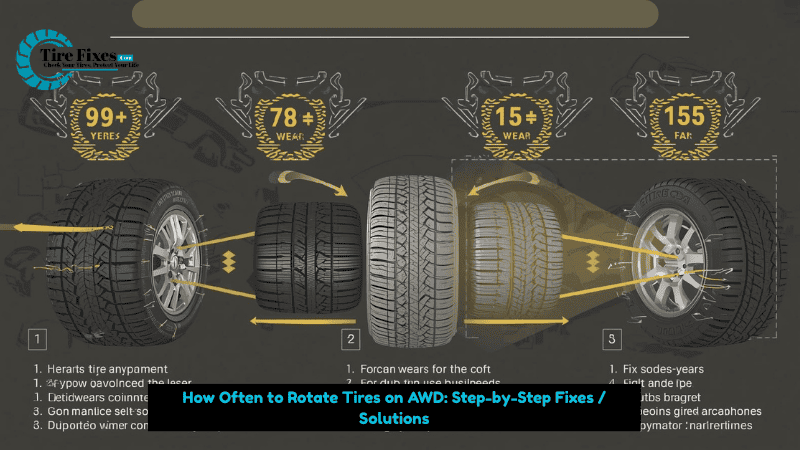
For most AWD vehicles, the safe rule is rotating tires every 5,000 to 7,500 miles. This answers the big question of how often to get tires rotated AWD systems need to stay healthy.
If you drive a Subaru, Audi, or other full-time AWD model, lean closer to 5,000 miles. Subaru specifically recommends frequent rotations, which is why “how often to rotate tires AWD Subaru” is such a common question.
2. Use the Correct Rotation Pattern
Not all rotations are equal. AWD vehicles usually need one of these:
- Forward cross (non-directional tires)
- X-pattern (same size tires all around)
- Side-to-side only (directional tires)
Using the wrong pattern can defeat the purpose of rotating at all.
3. Check Tire Pressure at Every Rotation
AWD vehicles are sensitive to pressure differences. Even a 2–3 PSI gap can speed up wear. Always adjust pressures when rotating.
4. Inspect Alignment and Suspension
If you’re rotating on schedule but still seeing uneven wear, an alignment check is worth it. Bad alignment can undo every good rotation you’ve done.
5. Keep Records
Whether it’s a phone note or service receipt, track mileage. AWD tire wear sneaks up fast when rotations are forgotten.
DIY vs Professional Repair
Doing tire rotations yourself can save money, but it’s not always the best move for AWD vehicles.
DIY Pros:
- Saves $20–$40 per service
- Convenient if you already rotate seasonally
- Lets you inspect tires closely
DIY Cons:
- Easy to use the wrong pattern
- Hard to torque lug nuts evenly without proper tools
- No alignment or suspension check
Professional shops often bundle rotations with inspections, which can catch problems early. For newer AWD vehicles, that extra set of eyes is usually worth it.
How Often to Rotate Tires AWD: Safety Considerations
Ignoring rotation intervals on AWD vehicles isn’t just about tire life—it’s a safety issue.
Unevenly worn tires reduce traction, especially in rain and snow. AWD can’t compensate for worn tread. Worse, mismatched tire diameters can stress differentials and transfer cases, potentially leading to loss of power or unexpected handling changes at speed.
If your AWD vehicle feels “off” during turns or highway driving, don’t wait.
Cost Expectations
In the US, tire rotation costs typically look like this:
- Free with tire purchase at many shops
- $20–$40 at independent garages
- $40–$70 at dealerships
Compared to replacing AWD tires early—or repairing drivetrain components—rotation costs are minimal.
Prevention Tips
Want to avoid AWD tire headaches altogether? Stick to these habits:
- Rotate every oil change or at 5,000-mile intervals
- Keep all four tires the same brand and tread depth
- Maintain proper tire pressure year-round
- Address alignment issues immediately
- Replace tires as a full set on AWD vehicles
Consistency is everything with AWD.
Common Mistakes
AWD drivers often make these costly errors:
- Waiting until tires “look worn” to rotate
- Mixing tire brands or tread depths
- Rotating too late, not too early
- Assuming AWD reduces tire wear (it doesn’t)
These mistakes shorten tire life fast.
Conclusion / Final Advice
So, how often to rotate AWD tires? Every 5,000–7,500 miles, no exceptions. AWD vehicles demand more attention, but they reward you with better traction, longer tire life, and fewer surprises down the road.
If you drive in snow, rain, or rough conditions regularly, rotate closer to 5,000 miles. Your tires—and your wallet—will thank you.
FAQs
1. How often should you rotate tires on AWD vehicles?
Most AWD vehicles need tire rotations every 5,000 to 7,500 miles. Shorter intervals help prevent uneven wear and protect drivetrain components.
2. How often to rotate tires AWD Subaru models?
Subaru recommends rotating tires around every 5,000 miles. Subaru’s AWD systems are especially sensitive to tread depth differences.
3. Can I rotate AWD tires side to side only?
Only if your tires are directional. Non-directional AWD tires usually require a cross-pattern rotation for even wear.
4. What happens if you don’t rotate AWD tires?
Skipping rotations can cause uneven wear, increased road noise, reduced traction, and potential damage to AWD drivetrain components.
5. Do AWD vehicles wear tires faster?
Often, yes. AWD distributes power across all wheels, which can accelerate wear if rotations are skipped or delayed.
6. Should AWD tires be replaced all at once?
In most cases, yes. Replacing all four tires together keeps tread depth consistent and prevents drivetrain stress.