
If you’ve ever stepped out of your car in a grocery store parking lot and noticed one tire looking more worn than the others, you’re not alone. It’s one of those things most drivers don’t think about until the steering wheel starts vibrating on the highway or the tires seem to wear out way too fast. Life gets busy, oil changes come and go, and tire rotation quietly gets pushed down the list.
Here’s the truth from years of wrenching on cars and driving everything from front-wheel-drive sedans to AWD SUVs through rain, snow, and long interstate miles: knowing how often to rotate tires can easily add thousands of miles to your tire life. It can also improve handling, braking, and overall safety—especially on unpredictable US roads where potholes, heat, and stop-and-go traffic are daily realities.
This guide breaks it down in plain English, no fluff, no guesswork—just real advice you can actually use.
Why Tire Rotation Really Matters
Tire rotation isn’t just a “nice-to-do” maintenance item. It’s essential because tires don’t wear evenly. Depending on your drivetrain and driving habits, certain tires take more abuse than others. Front tires often handle steering and braking, while rears may just roll along for the ride.
Without regular rotation, you end up with:
- Uneven tread depth
- Reduced traction in wet or snowy conditions
- Shortened tire lifespan
- Increased road noise and vibration
Simply put, rotating your tires keeps wear balanced so all four tires age together instead of one pair wearing out early.
Common Causes of Uneven Tire Wear
Uneven wear doesn’t happen randomly. It’s usually caused by a mix of vehicle design and real-world driving conditions.
- Front-wheel drive vehicles place more stress on front tires
- Aggressive driving habits like hard braking or fast cornering
- Poor alignment from potholes or curb hits
- Incorrect tire pressure (overinflated or underinflated)
- Skipping rotations for too long
Even careful drivers deal with this. US highways, rough city streets, and temperature swings all play a role.
Symptoms Your Tires Need Rotation Now
If you’re wondering how often do tires need to be rotated, your car may already be telling you.
- Steering wheel vibration at highway speeds
- Tires looking more worn on one edge
- Increased road noise
- Car pulling slightly left or right
- Reduced grip in rain
If you notice any of these, it’s time to rotate—possibly overdue.
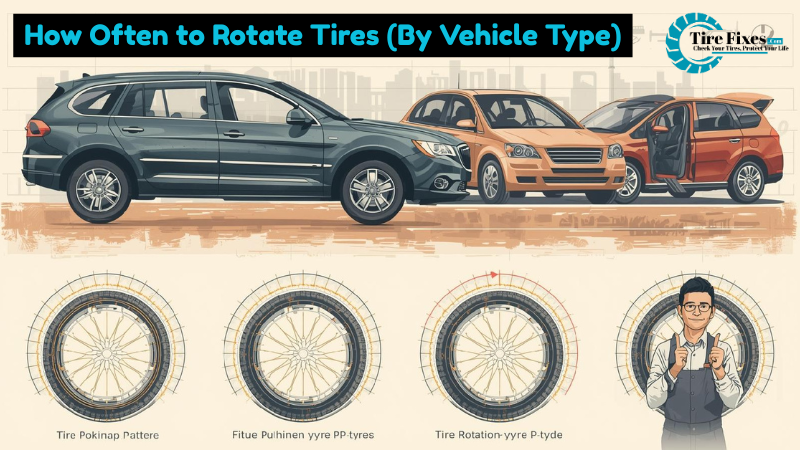
How Often to Rotate Tires (By Vehicle Type)
1. General Rule for Most Cars
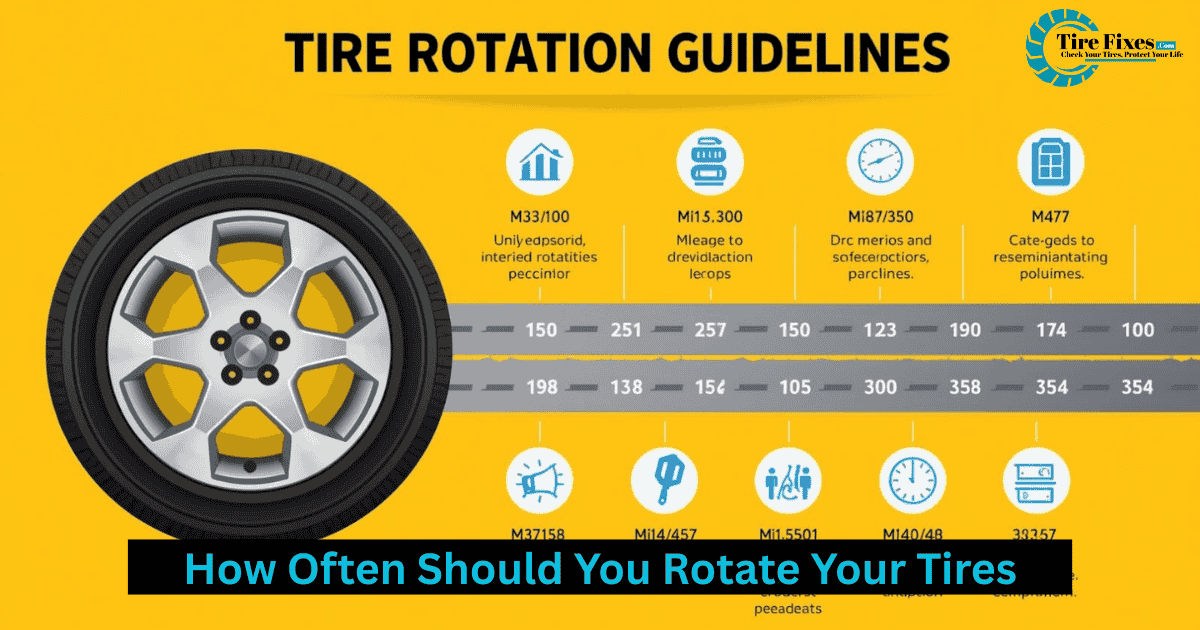
For most vehicles, the safe answer to how often to get tires rotated is every 5,000 to 7,500 miles. That conveniently lines up with oil change intervals, making it easier to remember.
2. Front-Wheel Drive (FWD)
FWD vehicles wear front tires faster due to steering, braking, and power delivery.
- Rotate every 5,000 miles
- Don’t push past 7,000 miles
3. Rear-Wheel Drive (RWD)
Rear tires handle power, but fronts still manage steering.
- Rotate every 6,000–7,500 miles
4. All-Wheel Drive (AWD)
If you’re asking how often to rotate tires AWD, this one’s critical.
- Rotate every 5,000 miles, no exceptions
- Uneven wear can damage the drivetrain
- AWD systems rely on equal tire circumference
Skipping rotations on AWD vehicles can lead to very expensive repairs.
5. Performance or Low-Profile Tires
These wear faster and show uneven wear sooner.
- Rotate every 4,000–5,000 miles
DIY Tire Rotation vs Professional Service
DIY Tire Rotation
Pros
- Saves money
- Convenient if you have tools
- Good learning experience
Cons
- Requires jack, stands, torque wrench
- Easy to torque lug nuts incorrectly
- Not ideal for heavy vehicles or AWD
Professional Tire Rotation
Pros
- Proper torque and inspection
- Often free with tire purchase
- Alignment issues spotted early
Cons
- Costs money if not bundled
For most drivers, having tires rotated during oil changes is the safest and easiest route.
Safety Considerations You Shouldn’t Ignore
Tire rotation isn’t dangerous when done correctly—but mistakes can be.
- Always torque lug nuts to manufacturer specs
- Never rely solely on a jack
- Check tire pressure after rotation
- Inspect tires for damage while they’re off
If you’re unsure, let a professional handle it. Tires are the only thing connecting your car to the road.
How Often to Rotate Tires: Cost Expectations in the US
- Free with tire purchase or service packages
- $20–$50 at most tire shops
- DIY: Free, if you already have tools
Compared to replacing tires early, rotation is cheap insurance.
Prevention Tips to Maximize Tire Life
- Rotate tires consistently
- Maintain proper tire pressure
- Get alignments checked annually
- Avoid aggressive driving
- Balance tires when rotating
Small habits add up to big savings over time.
Common Tire Rotation Mistakes
- Waiting until tires look worn
- Rotating only front or rear tires
- Ignoring AWD rotation schedules
- Forgetting to reset TPMS
- Mixing directional tires incorrectly
These mistakes cost drivers money every year.
Final Advice From the Road
Knowing how often you’re supposed to rotate your tires isn’t complicated, but ignoring it is expensive. Stick to a regular schedule, especially if you drive an AWD vehicle or deal with harsh weather. Your tires will last longer, your car will drive better, and you’ll stay safer on the road.
FAQs About How Often to Rotate Tires
1. How often do you need to rotate tires for normal driving?
Most drivers should rotate tires every 5,000–7,500 miles. This works well for daily commuting, highway driving, and typical road conditions across the US.
2. How often should AWD tires be rotated?
AWD vehicles should have tires rotated every 5,000 miles. Uneven tire wear can stress the drivetrain and lead to costly mechanical problems.
3. Can I rotate tires myself?
Yes, if you have proper tools and experience. However, professional rotation ensures correct torque and safety checks that DIY jobs sometimes miss.
4. Is tire rotation really necessary?
Absolutely. Tire rotation prevents uneven wear, improves handling, and extends tire life. Skipping it often leads to premature tire replacement.
5. Do new tires need rotation?
Yes. New tires should be rotated just like older ones. Starting early helps establish even wear from the beginning.


One Comment