
The most common question about tire maintenance is: how often should you rotate your tires? Many drivers wonder if it’s really necessary or just a way for shops to make extra money. The short answer is yes, regular tire rotation is important, and most experts recommend doing it every 5,000 to 7,500 miles (or about every 8,000 to 12,000 km). This is a standard guideline from sources like Consumer Reports, major tire manufacturers (such as Michelin and Bridgestone), and many vehicle service centers.
Always check your vehicle’s owner’s manual first, as it may have specific recommendations based on your car model, drivetrain, and tire type. For example, some suggest aligning it with oil changes for convenience.
Why Tire Rotation Matters
Without rotation, tires wear unevenly. In most vehicles (especially front-wheel drive, which is very common), the front tires handle steering, braking, and most of the power delivery. This causes them to wear faster than the rear tires. Small issues like slight misalignment or suspension differences can create uneven patterns too.
By rotating the tires, you move them to different positions so wear spreads evenly across all four. This helps:
- Extend the overall life of your tires (potentially by thousands of miles).
- Keep better traction and grip for safer driving.
- Reduce road noise and vibrations.
- Improve fuel efficiency and handling.
- Lower the risk of issues like blowouts from weak spots.
A rotation visit also lets a mechanic quickly check tire pressure, alignment, tread depth, and any damage.
How Often for Different Vehicles
- Front-wheel drive (FWD) or Rear-wheel drive (RWD): Every 5,000 to 7,500 miles is the typical range.
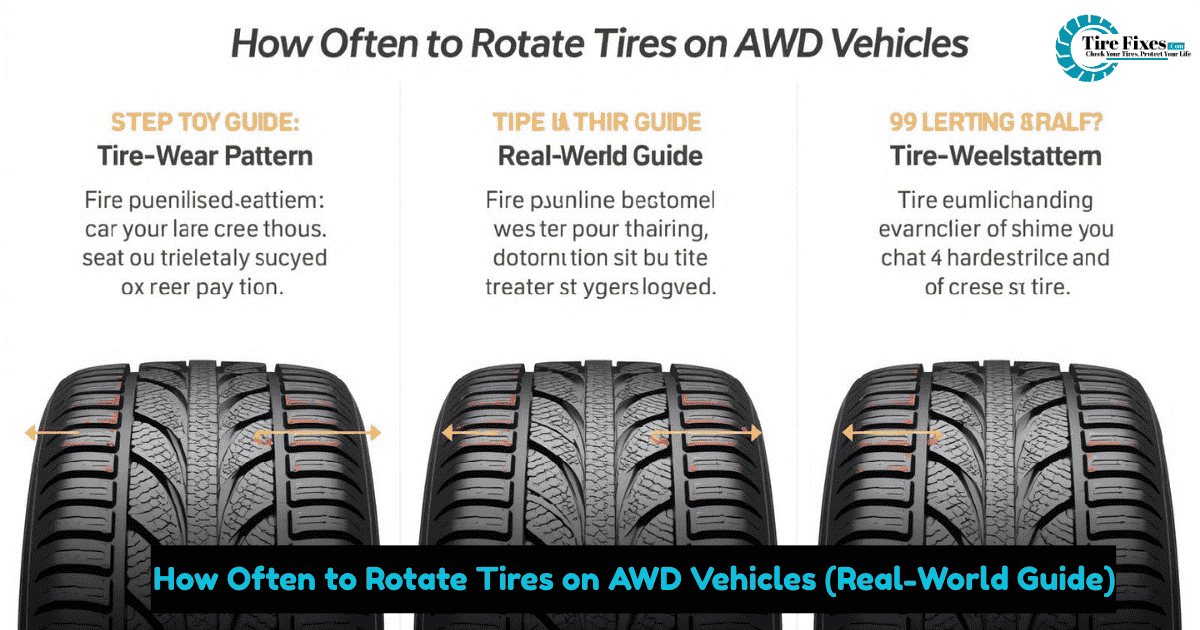
- All-wheel drive (AWD) or Four-wheel drive (4WD): More often, every 3,000 to 5,000 miles, because power goes to all tires, leading to faster and more even stress.
- Directional tires or staggered setups (different sizes front/rear) may need special patterns or be non-rotatable—check your manual.
Many people time rotations with oil changes (often every 5,000–7,500 miles), making it easy to remember.
Addressing the “Just Buy New Tires and Swap” Idea

Some drivers think: Why rotate? Just let the front tires wear out faster, replace them with new ones, and move the good rears to the front. This works in theory and saves rotation fees short-term, but it’s not the best long-term approach.
Rotation promotes even tread depth on all tires, so they perform consistently (better in wet conditions, quieter ride). When all tires wear evenly, you replace all four at once for matched performance—safer and often required for AWD vehicles to avoid drivetrain damage. Skipping rotations usually means replacing fronts sooner and rears later, but the set doesn’t last as long overall, and uneven wear can affect safety.
Rotation costs $20–$60 (often free with tire purchase or loyalty programs), but the savings from longer tire life usually outweigh it.
Final Tips
Follow your owner’s manual for the exact pattern (e.g., front-to-rear, cross patterns). Many tire shops offer free rotations if you bought tires there. Regular rotation is simple maintenance that keeps your tires safe and lasting longer—don’t skip it just to save a trip to the shop!
If you’re unsure about your specific vehicle, consult a trusted mechanic or check the manual. Safe driving!

One Comment