
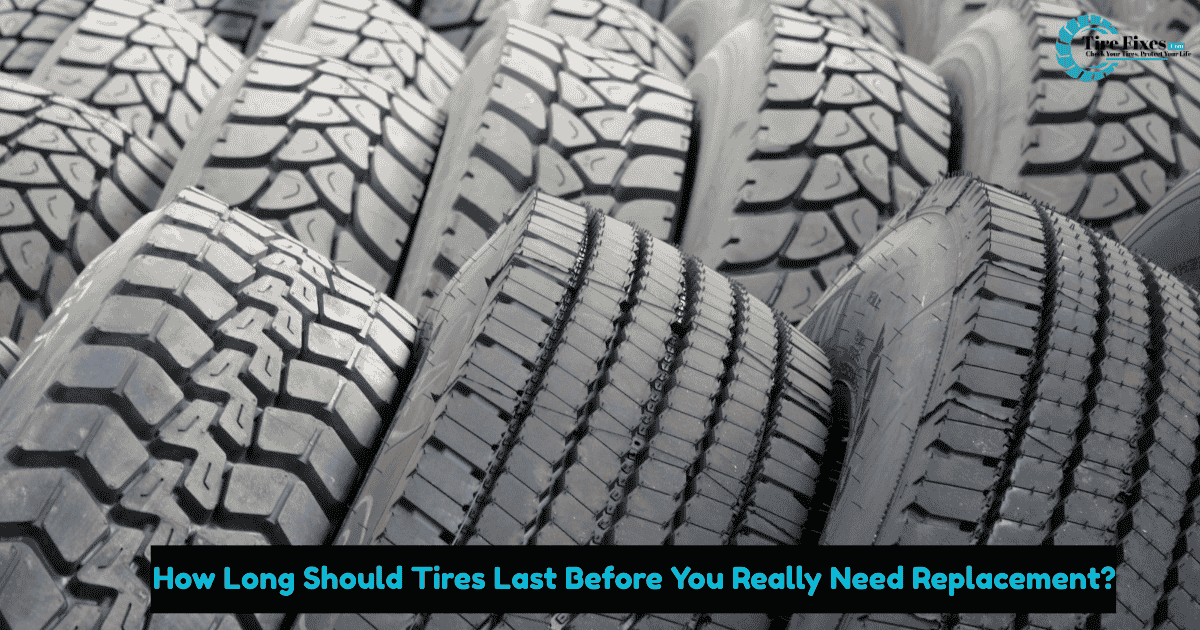
You’re cruising down the interstate on a hot summer afternoon, maybe heading home from work or loading up the family for a weekend trip. Everything feels fine—until you glance at your tires while fueling up and notice the tread looks thinner than you remember. That’s when the question hits: how long should tires last, really?
It’s one of the most common questions drivers ask, and for good reason. Tires don’t fail overnight. They wear slowly, quietly, and often unevenly. Many people assume new tires should last forever, especially on a brand-new car. Others push them way past their safe lifespan without realizing it. In real-world driving—potholes, heat, rain, road salt, stop-and-go traffic—tire life is rarely textbook.
In this guide, I’ll break down how long car tires should last in everyday US driving, what actually shortens their lifespan, and how to know when it’s truly time to replace them—before they become a safety risk.
Problem Explanation
Most drivers don’t have a clear answer to how long tires should last because there isn’t a single number that fits everyone. Tire lifespan depends on mileage, age, driving habits, road conditions, and maintenance. While manufacturers provide estimates, real-life use often tells a different story.
A set of tires can look fine on the surface but be unsafe underneath due to internal breakdown or dry rot. On the flip side, some drivers replace tires too early, wasting money unnecessarily. Understanding realistic tire lifespan helps you balance safety, performance, and cost without guesswork.
Common Causes
Several factors directly affect how long tires last on a new car or after replacement:
- Driving habits – Hard acceleration, sharp cornering, and aggressive braking chew through tread fast
- Road conditions – Rough pavement, potholes, gravel roads, and construction zones increase wear
- Improper tire pressure – Underinflated or overinflated tires wear unevenly and fail early
- Lack of rotations or alignments – Skipping maintenance shortens tire life dramatically
- Climate exposure – Heat, UV rays, snow, and road salt all degrade rubber over time
Symptoms / Warning Signs
If you’re wondering whether your tires are nearing the end of their lifespan, watch for these signs:
- Tread depth below 4/32″ (especially poor in rain)
- Cracks in the sidewall or between tread blocks
- Vibrations or road noise that wasn’t there before
- Uneven wear patterns (bald edges or center wear)
- Tires older than 6 years, even with good tread
How Long Should Tires Last: Step-by-Step Fixes / Solutions
1. Understand Average Tire Lifespan
In real-world conditions, most car tires last between 40,000 and 60,000 miles. That’s the honest range for the average driver—not marketing hype.
- Budget tires: 30,000–45,000 miles
- Mid-range all-season tires: 45,000–60,000 miles
- Premium touring tires: up to 70,000 miles (with perfect care)
2. How Long Should New Tires Last?
How long should new tires last depends on how they’re used. On a commuter sedan driven calmly, new tires can last 5–6 years. On an SUV with city traffic and occasional towing, expect closer to 4–5 years.
Mileage matters, but time matters just as much. Rubber breaks down even if you don’t drive much.
3. How Long Should Tires Last on a Brand-New Car?
Factory-installed tires often wear faster than replacements. Automakers choose them for ride comfort and fuel economy—not longevity.
- Typical lifespan: 30,000–50,000 miles
- Softer rubber = smoother ride, shorter life
Many drivers are surprised when their brand-new car needs tires sooner than expected.
4. Check Tread the Right Way
Use a tread depth gauge or the old penny test:
- Insert a penny head-first into the tread
- If you can see all of Lincoln’s head, it’s time to replace
For wet-weather safety, don’t wait until 2/32″. Replace closer to 4/32″.
5. Track Tire Age
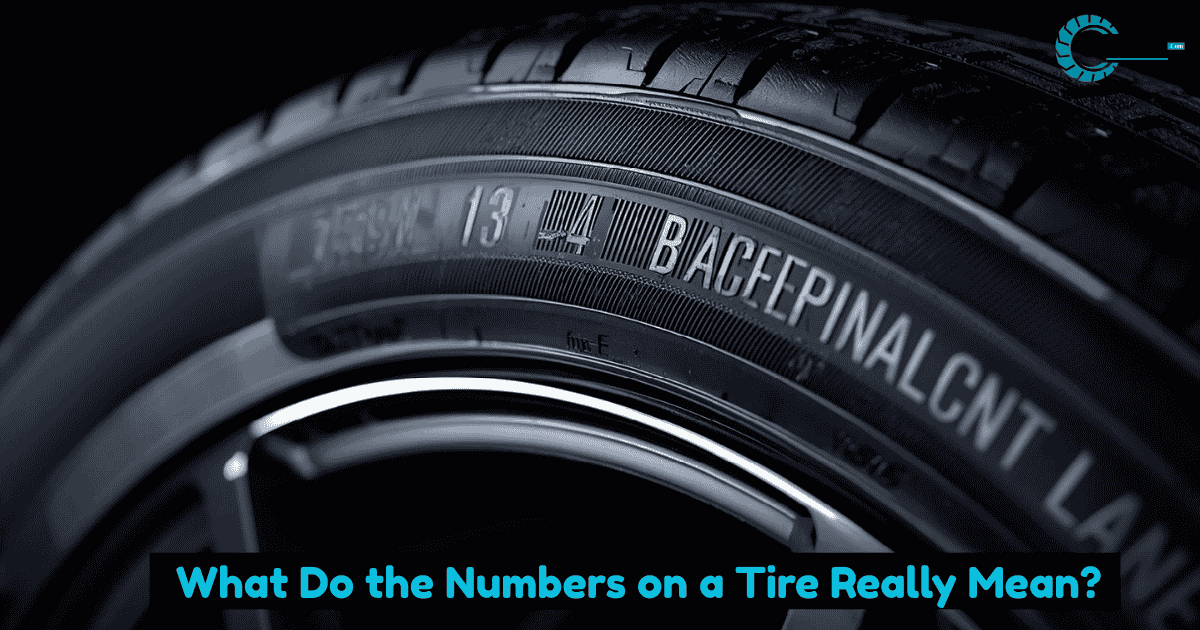
Check the DOT code on the sidewall. The last four digits show the week and year of manufacture.
- Example: 3520 = 35th week of 2020
- Tires older than 6 years should be inspected
- Replace by 10 years max, no exceptions
How Long Should Tires Last: DIY vs Professional Repair
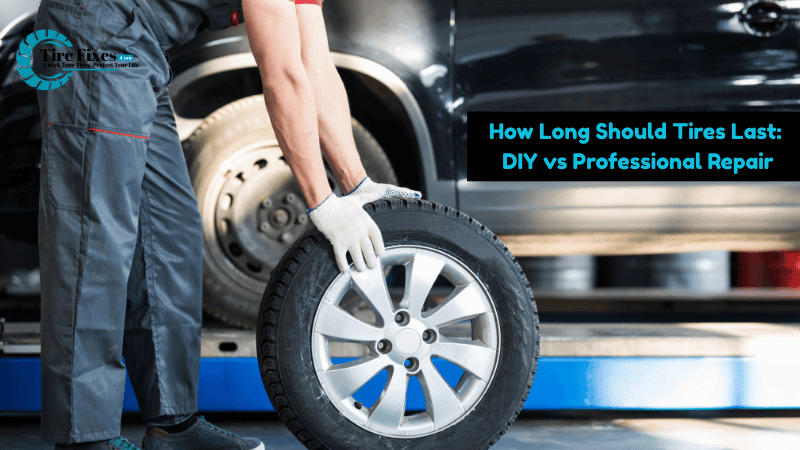
DIY checks like air pressure and visual inspections are great for extending tire life. Rotations every 5,000–7,500 miles can also be done at home if you’re equipped.
However, alignments, balancing, and internal tire damage require professional equipment. If tires show uneven wear or vibrations, a shop visit saves money long-term by preventing premature replacement.
Safety Considerations
Driving on worn or aged tires increases stopping distance, hydroplaning risk, and blowout chances—especially at highway speeds. Heat buildup is the silent killer, particularly during summer road trips.
Never ignore sidewall damage or exposed cords. A tire failure at 70 mph isn’t just inconvenient—it’s dangerous.
Cost Expectations
In the US market:
- Budget tires: $80–120 per tire
- Mid-range all-season: $130–180 per tire
- Premium brands: $200–300+ per tire
Installation, balancing, and disposal usually add $20–40 per tire.
Prevention Tips
- Check tire pressure monthly
- Rotate tires regularly
- Get an alignment once a year
- Avoid overloading your vehicle
- Park in shade when possible
Small habits make a big difference over thousands of miles.
Common Mistakes
- Replacing tires only when they’re completely bald
- Ignoring tire age because tread “looks fine”
- Mixing old and new tires without professional advice
- Skipping rotations to save time or money
Conclusion / Final Advice
So, how long should tires last? For most drivers, expect 4–6 years or 40,000–60,000 miles with proper care. Pay attention to both mileage and age, not just tread depth. Tires are your car’s only contact with the road—don’t gamble with them. When in doubt, replace them early rather than late.
FAQs About How Long Should Tires Last
1. How long should car tires last on average?
Most car tires last between 40,000 and 60,000 miles under normal driving conditions. Aggressive driving or poor maintenance can shorten that lifespan significantly.
2. How long should tires last on a new car?
Factory tires typically last 30,000–50,000 miles. They’re designed for comfort and efficiency, not maximum durability.
3. Is tire age more important than tread depth?
Both matter, but age is often overlooked. Tires older than six years can fail even with decent tread due to rubber breakdown.
4. Can tires last 10 years?
Ten years is the absolute maximum recommended lifespan. Most experts advise replacing them earlier, especially in hot climates.
5. How do I know if my tires are unsafe?
Look for cracks, bulges, vibrations, uneven wear, or shallow tread. Any of these signs mean it’s time for inspection or replacement.
6. Do highway miles wear tires less?
Yes. Steady highway driving causes less wear than stop-and-go city traffic, which stresses tires more.


One Comment