
You’re pulling your bike out of the garage on a Saturday morning. Sun’s out, roads are dry, and everything feels right—until you glance down and notice your rear tire looks more worn than you remember. The tread looks shallow. The edges feel squared off. And suddenly, the question hits you: how long do motorcycle tires last, really?
It’s one of the most common questions riders ask, especially after a long season of commuting, weekend rides, or cross-state road trips. Unlike car tires, motorcycle tires wear faster, behave differently, and can become unsafe before they “look” bald. I’ve seen riders push tires too far—and I’ve seen what happens when they do.
In this guide, we’ll break down how long tires last on a motorcycle, what affects their lifespan, and how to tell when it’s time to replace them—before they ruin a ride or put you on the pavement.
Problem Explanation: Why Motorcycle Tire Lifespan Varies So Much
Motorcycle tires don’t have a single, universal lifespan. Some riders burn through a rear tire in under 5,000 miles, while others squeeze 15,000 miles out of a set. That huge gap exists because bike tires work harder than car tires.
A motorcycle leans, accelerates harder relative to weight, and relies on two small contact patches instead of four. Add in different riding styles, tire compounds, road conditions, and bike types, and it’s easy to see why tire life varies so much.
So when someone asks, “How long do motorcycle tires last?” the honest answer is: it depends—but there are real-world averages you can rely on.
Common Causes That Affect Motorcycle Tire Life
Several factors directly impact how long your motorcycle tires will last:
- Riding style – Aggressive throttle, hard braking, and fast cornering eat tires fast
- Bike type – Sport bikes wear tires quicker than cruisers or touring bikes
- Tire compound – Softer rubber grips better but wears faster
- Road conditions – Hot asphalt, rough pavement, and debris accelerate wear
- Maintenance habits – Incorrect tire pressure shortens tire life dramatically
Even experienced riders are surprised how much pressure checks alone can extend tire mileage.
Symptoms & Warning Signs Your Motorcycle Tires Are Worn Out
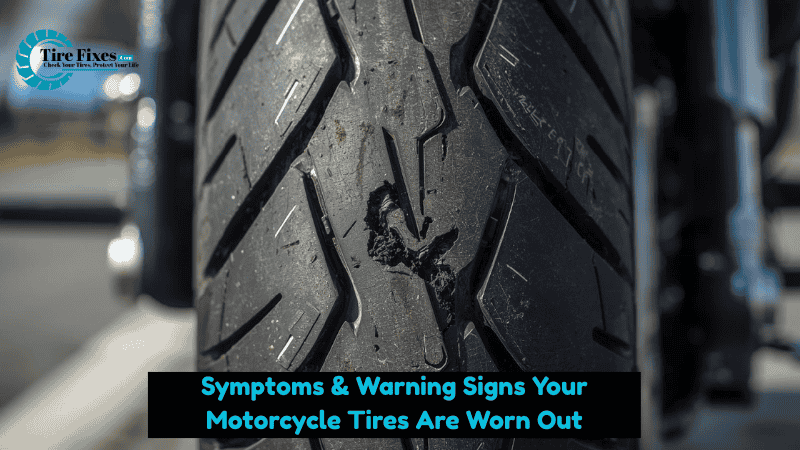
Don’t wait until cords show. Watch for these signs:
- Tread depth below wear bars
- Squared-off rear tire (flat center strip)
- Cracks or dry rot on sidewalls
- Reduced grip in corners or wet roads
- Bike feels unstable or “floats” at highway speeds
If you feel the bike slipping sooner than usual—especially in rain—that’s often the tire talking to you.
How Long Do Motorcycle Tires Last? Real-World Numbers
Average Motorcycle Tire Lifespan
Most motorcycle tires last:
- Rear tire: 5,000–10,000 miles
- Front tire: 8,000–15,000 miles
Rear tires wear faster due to acceleration and weight transfer.
How Long Do Cruiser Motorcycle Tires Last?
Cruisers and touring bikes are easier on tires than sport bikes.
- Cruiser tires: 10,000–15,000 miles
- Heavier bikes, but smoother riding style
- Harder rubber compounds
Riders on Harleys and Gold Wings often get impressive mileage with proper care.
How Long Do Dunlop Motorcycle Tires Last?
Dunlop is known for durability, especially their touring lines.
- Dunlop sport tires: 4,000–7,000 miles
- Dunlop cruiser/touring tires: 10,000–15,000 miles
Mileage varies by model, but Dunlop tires generally balance grip and longevity well.
Step-by-Step: How to Maximize Motorcycle Tire Life
1. Check Tire Pressure Weekly
Underinflated tires wear faster and overheat. Use a quality gauge—not a gas station guess.
2. Warm Tires Before Riding Hard
Cold rubber wears unevenly and loses grip. Give tires a few miles to warm up.
3. Avoid Hard Throttle Everywhere
Smooth acceleration adds thousands of miles over time.
4. Inspect Tread Monthly
Catch uneven wear early—cupping and scalloping don’t fix themselves.
5. Balance & Align
An unbalanced wheel destroys tires faster than most riders realize.
DIY vs Professional Tire Replacement
DIY Tire Changes
Pros:
- Saves money
- Learn your bike
Cons:
- Requires tools
- Easy to damage rims or beads
Professional Shop
Pros:
- Proper balancing
- Faster and safer
Cons:
- Higher cost
If you ride daily or long-distance, professional mounting is usually worth it.
Safety Considerations You Should Never Ignore
Motorcycle tires are your only connection to the road. Riding on worn tires increases:
- Stopping distance
- Hydroplaning risk
- Blowout potential
I’ve seen tires fail suddenly at highway speeds—not worth the gamble.
How Long Do Motorcycle Tires Last? Cost Expectations in the US
Typical motorcycle tire costs:
- Front tire: $120–$200
- Rear tire: $150–$300
- Mounting & balancing: $25–$50 per tire
Touring and premium brands cost more but often last longer.
Prevention Tips to Extend Tire Life
- Maintain proper tire pressure
- Ride smoothly
- Store bike away from sunlight
- Avoid cheap, unknown tire brands
- Replace tires before they’re unsafe
Common Mistakes Riders Make
- Ignoring wear bars
- Mixing incompatible tire types
- Overloading the bike
- Riding on old, dry-rotted tires
Age matters—even unused tires degrade after 5–6 years.
Final Advice: Know When to Replace
If you’re asking how long do tires last on a motorcycle, you’re already thinking like a smart rider. Mileage matters—but grip, feel, and safety matter more. Replace tires early, ride with confidence, and your bike will thank you every mile.
FAQs
1. How long do motorcycle tires last in years?
Most motorcycle tires last 3–5 years, even if tread remains. Rubber hardens over time, reducing grip and safety.
2. Do front or rear motorcycle tires wear faster?
Rear tires wear faster due to acceleration and weight transfer, often lasting half as long as front tires.
3. Can I mix tire brands on my motorcycle?
You can, but it’s not recommended. Different compounds and profiles can affect handling and stability.
4. How do I know when motorcycle tires are unsafe?
If tread is below wear bars, grip is reduced, or cracks appear, replace them immediately.
5. Are touring tires worth the extra cost?
Yes, especially for long-distance riders. They last longer and offer better stability on highways.
6. Does riding in rain wear tires faster?
Not significantly, but wet riding exposes worn tires’ lack of grip much sooner.


One Comment