
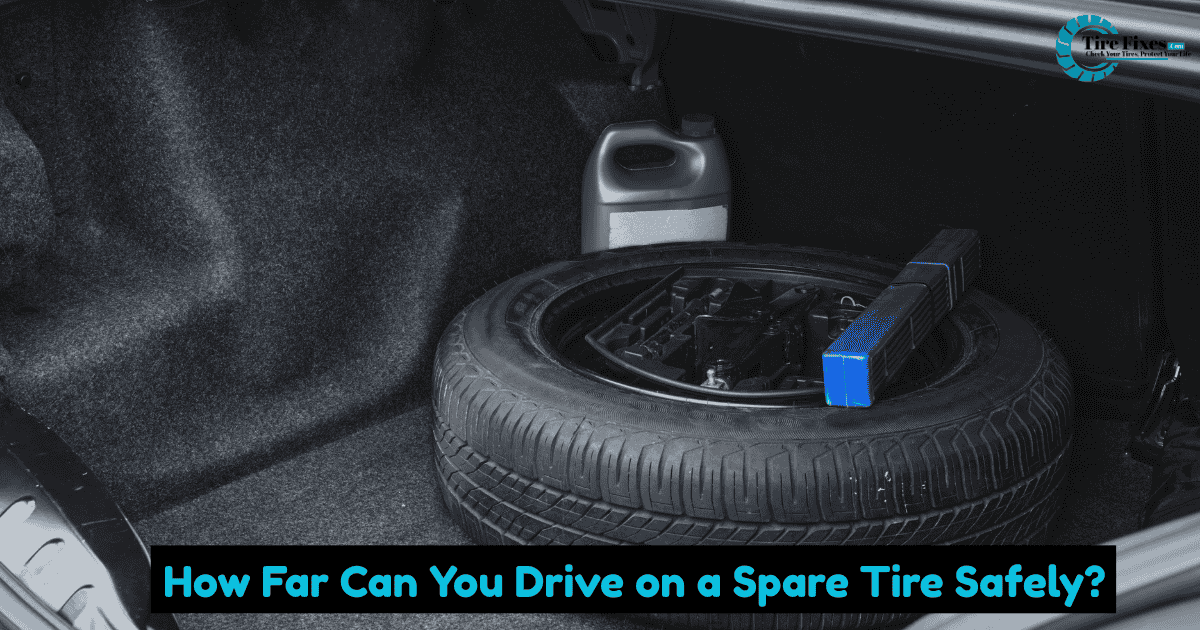
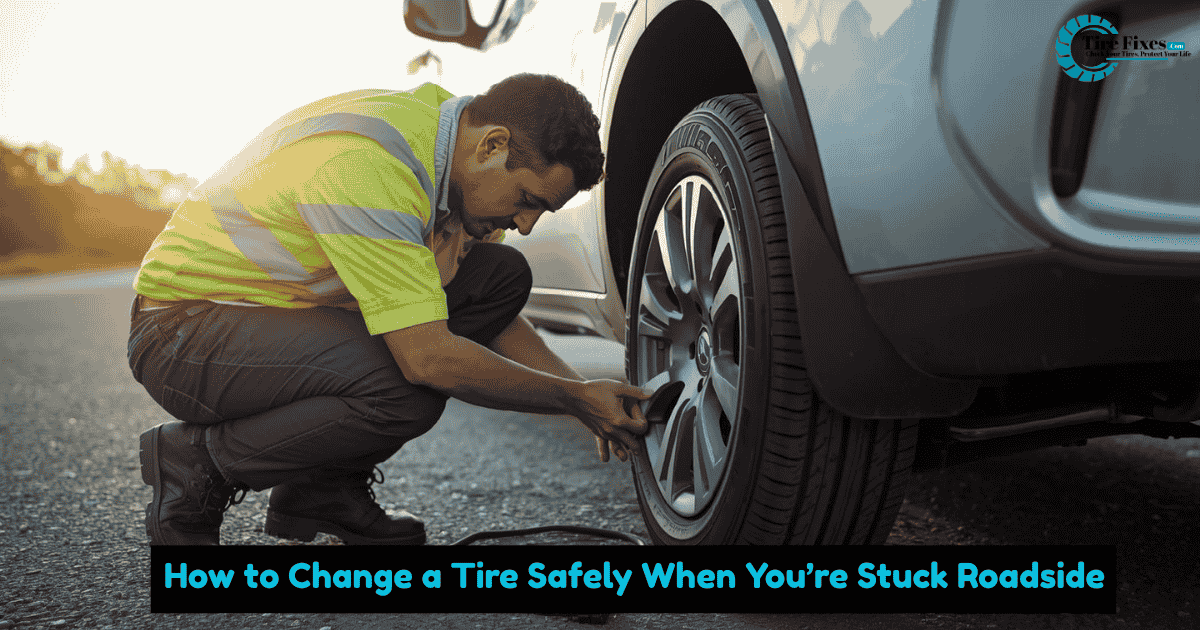
You’re cruising down the interstate, coffee in the cup holder, playlist just right—then thump thump thump. That sinking feeling hits before the dash light even finishes blinking. Flat tire. You pull onto the shoulder, swap in the spare, and suddenly one question takes over your brain: how far can you drive on a spare tire before you’re pushing your luck?
I’ve been there. Middle of nowhere. Late afternoon. Closest tire shop? “About 40 miles,” according to Google Maps. That’s when the spare tire stops being a backup plan and starts feeling like a gamble. Most drivers don’t realise spare tires have very real limits—and crossing them can turn a small inconvenience into a much bigger repair bill.
In this guide, we’ll break down exactly how far you can drive on a spare tire, especially a donut spare tire, what affects that distance, and how to get home (or to the shop) without making things worse.
Problem Explanation
Why Spare Tires Have Driving Limits
Spare tires—especially the small “donut” or “doughnut” spares—are designed for temporary, emergency use only. They’re lighter, narrower, and built with less tread than a full-size tire. That design saves trunk space and weight, but it comes with trade-offs.
When people ask how far can you drive on a spare tire, the honest answer is: not very far, and definitely not forever. Driving too long on a spare can stress your suspension, mess with alignment, and even damage your differential—especially on front-wheel-drive and AWD vehicles.
Common Causes
Why Drivers End Up Pushing Spare Tires Too Far
Most people don’t abuse spare tires on purpose. It usually happens because of everyday situations like:
- A flat tire occurs late at night or on a weekend
- No nearby tire shops are open
- The spare “feels fine,” so driving farther seems okay
- Misunderstanding how far a donut spare tire can go
- Ignoring speed and distance limits during short trips
That spare can feel surprisingly normal at first—which is exactly why people overuse it.
Symptoms / Warning Signs
Signs You’re Driving Too Far on a Spare Tire
If you notice any of the following, it’s time to stop driving and reassess:
- Vibrations or shaking at moderate speeds
- Pulling to one side while driving
- Louder road noise than usual
- TPMS or traction control warning lights
- A “wobble” feeling during turns
These aren’t just annoyances—they’re warnings.
Step-by-Step Fixes / Solutions
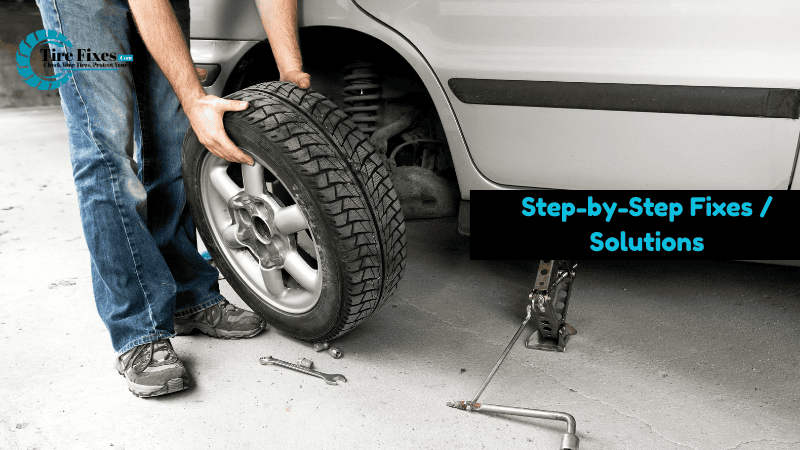
How to Safely Drive on a Spare Tire
1. Identify What Type of Spare You Have
Not all spares are the same. Check the tire sidewall or trunk label.
- Donut (temporary) spare: Small, narrow, limited use
- Full-size spare: Same size as regular tires (much safer)
Most cars today come with donut spares.
2. Follow the Distance Rule (This Matters)
For a donut spare tire, most manufacturers recommend:
- Maximum distance: 50–70 miles
- Ideal distance: As short as possible
That answers the common question: how far can you drive on a donut spare tire? Not far—just enough to reach help.
3. Keep Your Speed Down
Even if traffic is moving fast, don’t match it.
- Max speed: 50 mph (sometimes lower)
- Highway speeds increase heat and tire failure risk
I’ve seen donut spares shred after just 20 miles at 70 mph.
4. Drive Smooth and Gentle
Avoid anything aggressive:
- No hard braking
- No sharp turns
- No potholes if you can help it
Treat the car like it’s carrying a fragile load—because it is.
5. Replace or Repair the Flat ASAP
Once you’re safely at a tire shop or home, don’t delay.
- Patchable puncture? Get it repaired
- Sidewall or blowout? Replace the tire
Driving “just one more day” on a spare often ends badly.
DIY vs Professional Repair
Should You Handle It Yourself?
DIY works if:
- The tire has a small nail or screw
- You have a proper plug kit
- The damage is in the tread area
Go to a professional if:
- The tire lost air rapidly
- Damage is near the sidewall
- You drive an AWD vehicle
- The spare has already gone 50+ miles
A $25 patch today beats a $1,500 drivetrain repair later.
Safety Considerations
Why Spare Tire Safety Isn’t Optional
Spare tires affect more than just grip.
- Reduced braking performance
- Unbalanced suspension geometry
- Stress on wheel bearings and axles
On wet roads, snow, or gravel, the risk multiplies. If weather is bad, cut your spare-tire driving distance in half.
Cost Expectations
What This Usually Costs in the U.S.
- Tire repair (patch): $20–$40
- New budget tire: $90–$150
- Donut spare replacement: $80–$120
Driving too far on a spare can easily add hundreds in suspension or alignment costs.
Prevention Tips
How to Avoid Spare Tire Stress Next Time
- Check spare tire pressure every 3–4 months
- Keep a portable air compressor in the trunk
- Know where your nearest tire shops are
- Consider upgrading to a full-size spare
- Replace old spares—they dry rot too
Prepared drivers panic less on the shoulder.
Common Mistakes
Costly Errors to Avoid
- Treating a donut spare like a normal tire
- Driving highway speeds for long distances
- Ignoring warning vibrations
- Forgetting AWD drivetrain sensitivity
- Delaying tire repair for days
These mistakes show up later as big bills.
Conclusion / Final Advice
The Bottom Line on Spare Tires
So, how far can you drive on a spare tire? For a donut spare, think 50 miles max, slower speeds, and straight to a repair shop. A spare is a lifeline—not a solution.
If you respect its limits, it’ll get you out of trouble. Push it too far, and you’ll create new problems you didn’t budget for.
FAQs About How Far Can You Drive on a Spare Tire
1. How far can you drive on a donut spare tire safely?
Most manufacturers recommend no more than 50–70 miles. Ideally, you should drive only far enough to reach a tire shop or safe location. Shorter distances reduce the risk of tire failure or suspension damage.
2. How fast can you drive on a doughnut spare tire?
Maximum speed is usually 50 mph. Driving faster increases heat buildup and significantly raises the chance of blowouts or drivetrain issues, especially on highways.
3. Can I drive long distances on a full-size spare tire?
Yes, if it matches your other tires in size and tread depth. Even then, it’s still best to repair or replace the damaged tire soon to maintain proper balance and handling.
4. Is it okay to drive on a spare tire for a few days?
It’s not recommended. Even short daily trips add up quickly, and prolonged use can damage suspension components and affect braking performance.
5. Does driving on a spare tire damage the car?
It can. Extended driving on a donut spare may strain the differential, suspension, and alignment—especially on AWD or front-wheel-drive vehicles.
6. What happens if you exceed the spare tire distance limit?
You risk tire failure, loss of control, and costly mechanical damage. Many spares fail suddenly once overheated.


One Comment