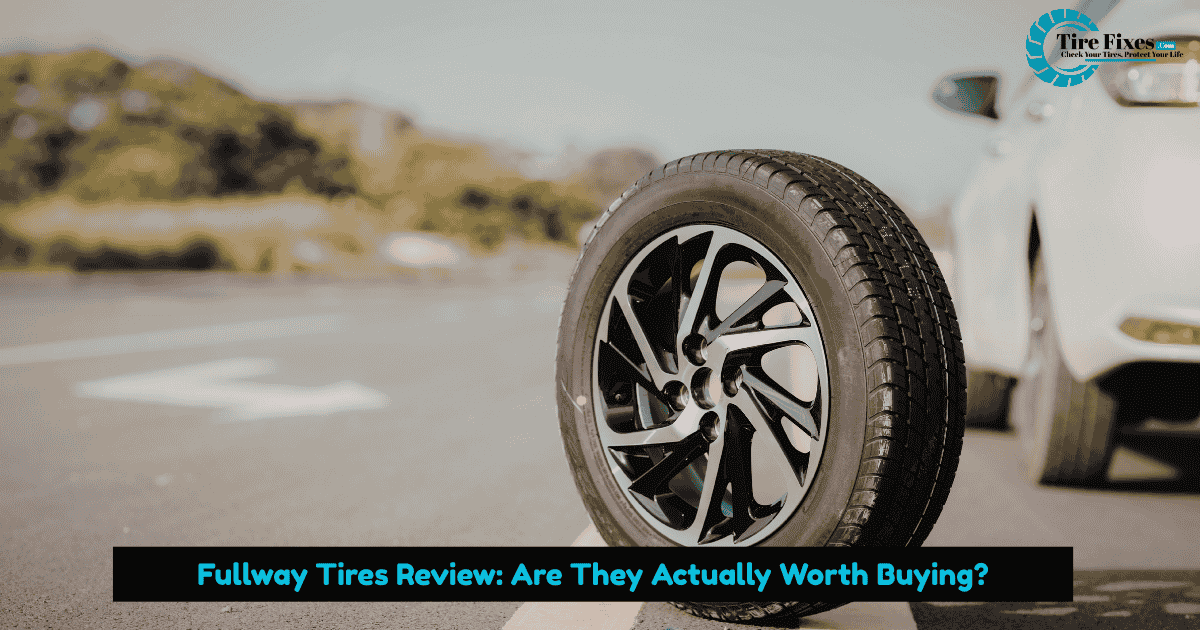
You’re standing in a tire shop or scrolling online late at night, staring at prices that feel downright painful. Four new tires shouldn’t cost more than a used car, right? Then you spot Fullway tires—cheap, available everywhere, and loaded with surprisingly decent reviews. Sounds tempting. But also risky.
I’ve been there. After 20+ years of driving on everything from snow-packed Midwest highways to sun-baked Southern interstates, I know one thing: tires can make or break your daily drive. The wrong set turns every rainstorm into a white-knuckle experience. The right set? You forget about them entirely—and that’s a good thing.
So let’s talk honestly. This Fullway tires review breaks down who makes them, how they actually perform, common issues drivers report, and whether they’re a smart buy for everyday US roads—or a false economy you’ll regret later.
Problem Explanation
Fullway is a budget tire brand, and budget tires always raise the same question: are they safe and reliable enough for daily driving? Many drivers worry about traction in rain, highway stability, tread life, and long-term durability. Cheap tires can save money upfront, but if they wear out fast or compromise safety, that savings disappears quickly. Understanding what Fullway tires are built for—and what they aren’t—is key before spending your money.
Common Causes
Drivers usually consider Fullway tires because of one or more of these reasons:
- Tight budget after unexpected tire damage
- Need for temporary or short-term tire replacement
- High mileage daily driving where cost matters more than performance
- Older vehicles not worth premium tire investment
- Ride-share or delivery driving where tires wear fast
Symptoms / Warning Signs
If Fullway tires aren’t the right fit for your driving style, you may notice:
- Reduced grip during heavy rain
- Faster tread wear compared to premium brands
- Slight road noise at highway speeds
- Less confidence during aggressive cornering
- Longer braking distance in wet conditions
These aren’t deal-breakers for every driver—but they matter depending on how and where you drive.
Fullway Tires: Step-by-Step Fixes / Solutions
1. Choose the Right Fullway Model
Not all Fullway tires are the same. Models like the Fullway HP108 are designed for basic daily commuting, not performance driving. Match the tire to your actual needs.
2. Install and Balance Properly
A cheap tire installed poorly becomes a bad tire. Always:
- Balance all four tires
- Check alignment
- Verify correct tire size and load rating
3. Maintain Correct Tire Pressure
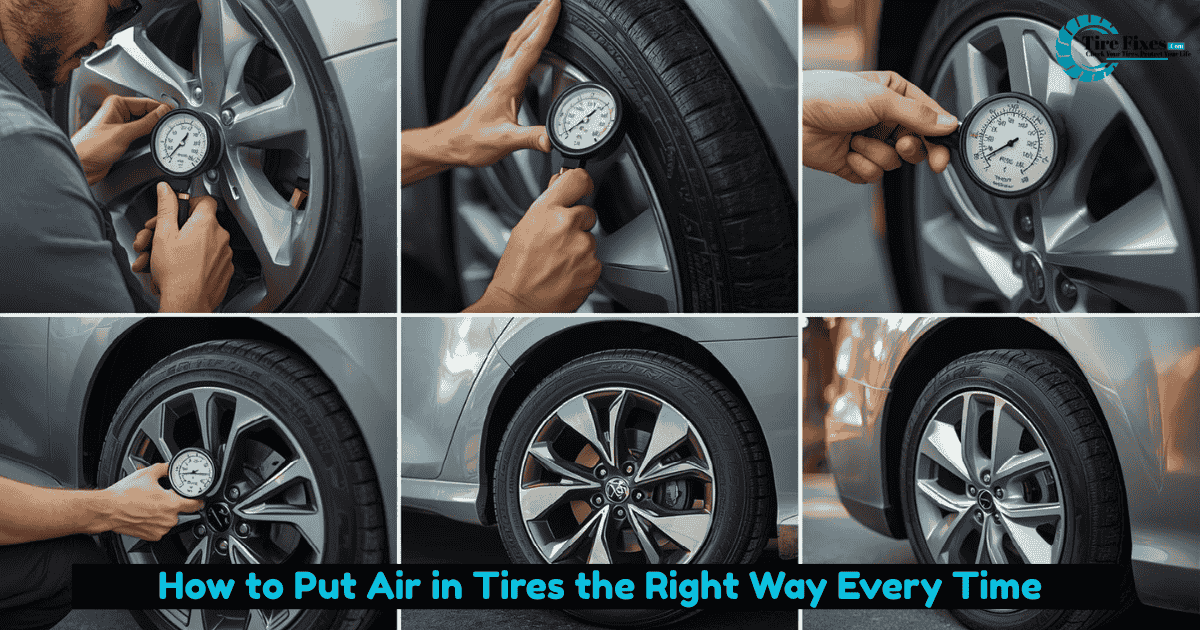
Budget tires are less forgiving when underinflated. Check pressure monthly—especially with seasonal temperature changes.
4. Rotate Tires Regularly
Rotate every 5,000–6,000 miles to prevent uneven wear. Skipping this step shortens lifespan fast.
5. Adjust Driving Expectations
These tires aren’t made for spirited driving. Smooth acceleration, gentle braking, and steady cruising help them last longer and perform better.
DIY vs Professional Repair
DIY Pros
- Lower cost
- Simple pressure checks and rotations
- Easy visual inspections
DIY Cons
- Improper balancing risks vibration
- Incorrect installation affects safety
Professional Pros
- Proper alignment and balancing
- Warranty support
- Safer mounting
Professional Cons
- Higher upfront cost
Bottom line: DIY maintenance is fine, but installation should always be professional.
Safety Considerations
Fullway tires meet DOT safety standards, but they’re not designed for extreme conditions. Avoid pushing them hard in snow, heavy rain, or high-speed driving. If you regularly drive in severe weather or at highway speeds above 75 mph, consider upgrading to a mid-range brand.
Fullway Tires: Cost Expectations
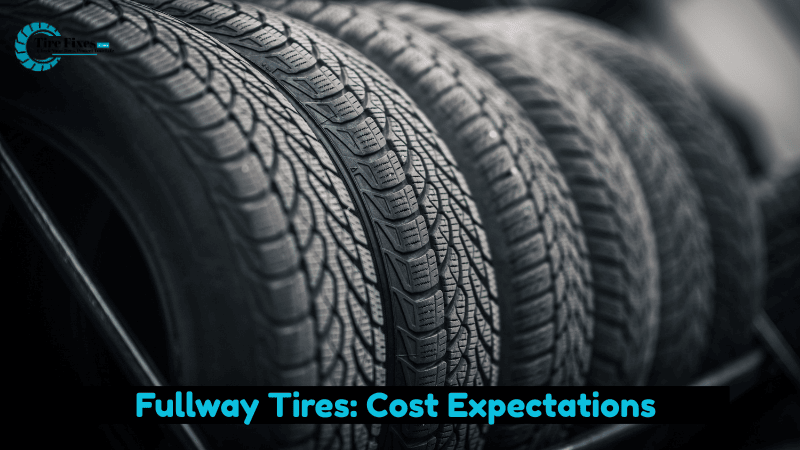
In the US market, Fullway tires typically cost:
- $55–$85 per tire depending on size
- Installation: $20–$35 per tire
- Full set installed: $300–$450
That’s significantly cheaper than premium brands, which often exceed $800 installed.
Prevention Tips
- Check tire pressure monthly
- Rotate on schedule
- Avoid potholes and curb impacts
- Don’t overload your vehicle
- Replace tires before tread drops below 3/32″
Common Mistakes
- Expecting premium performance from budget tires
- Skipping alignment after installation
- Ignoring tread wear until it’s unsafe
- Driving aggressively on economy tires
Conclusion / Final Advice
So, are Fullway tires good? For budget-conscious drivers who need reliable, basic transportation—yes. They’re not performance tires, and they’re not luxury-grade, but they do the job when maintained properly. If your priority is affordability over top-tier grip, Fullway tires can make sense. Just know their limits and drive accordingly.
FAQs About Budget Tire Reviews
1. Who makes Fullway tires?
Fullway tires are manufactured by Fullway Tire Company, a Chinese tire brand focused on affordable, entry-level tires for global markets, including the US.
2. Are Fullway tires good for highway driving?
They’re acceptable for normal highway speeds, but not ideal for aggressive or high-speed driving. Stability is decent, but premium tires perform better.
3. How long do Fullway tires last?
Most drivers report 25,000–40,000 miles, depending on driving habits, alignment, and maintenance.
4. Are Fullway tires noisy?
Some road noise is noticeable at higher speeds, especially as the tread wears, but it’s manageable for daily commuting.
5. Do Fullway tires perform well in rain?
They offer basic wet traction, but braking distance and grip are not as strong as mid-range or premium brands.
6. Are Fullway tires safe?
Yes, they meet DOT standards. Safety depends heavily on proper installation, pressure, and realistic driving expectations.