
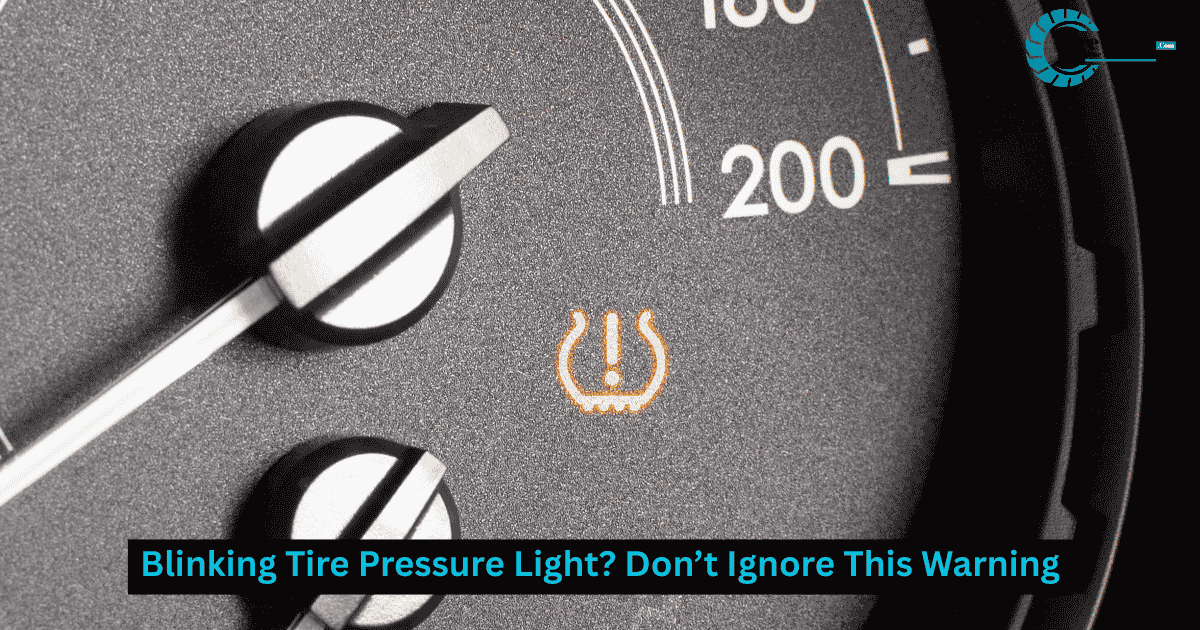
You’re cruising down the highway, coffee in the cup holder, music playing… then suddenly — that blinking tire pressure light pops up on your dashboard.
Not solid. Not gone. Blinking.
If you’re like most drivers, your first thought is, “Is this safe to drive with?”
I’ve seen this happen hundreds of times in the shop, especially during temperature swings, road trips, or after tire rotations. And honestly? A blinking light usually means something more serious than low tire pressure.
Let’s break this down the simple way — no engineering talk, no confusing manuals — just real-world advice from someone who’s worked on these systems and driven through everything from Midwest winters to Texas summer heat.
What Does a Blinking Tire Pressure Light Mean?
A blinking tire pressure light almost always points to a problem with the TPMS system itself, not just low air in your tires.
Your Tire Pressure Monitoring System (TPMS) uses sensors inside each wheel. These sensors talk to your car’s computer. When the light blinks for about 30–60 seconds and then stays solid, your car is basically saying:
“I can’t read one or more tire sensors.”
According to safety guidance from the National Highway Traffic Safety Administration, TPMS systems are designed to alert drivers to tire safety issues that could increase crash risk or tire failure.
Solid Light vs Blinking Light
| Light Type | Usually Means |
|---|---|
| Solid TPMS Light | Low tire pressure |
| Blinking Then Solid | TPMS sensor or system fault |
Real-Life Shop Scenario
Last winter, a customer came in after driving from Chicago to Denver. The light started blinking halfway through Kansas. Turns out? One sensor battery died due to cold temps plus age (about 7 years old).
That’s common. TPMS sensor batteries usually last 5–10 years.
Common Causes of a Blinking Tire Pressure Light
1. Dead TPMS Sensor Battery
Most common issue. Sensors are sealed units.
2. Damaged Sensor During Tire Change
Happens more than people think, especially at high-volume tire shops.
3. TPMS Module Communication Error
Less common, but possible.
4. Recent Tire Rotation Without Relearn
Some vehicles need sensor relearn procedures.
5. Corrosion or Moisture Damage
Seen often in snow-belt states.
Is It Safe to Drive?
Short answer:
✔ Usually safe short-term
❌ Not safe long-term
Why? Because you lose automatic pressure warnings. If you pick up a nail on I-95 or hit a pothole in Detroit, you won’t get early alerts.
Blinking Tire Pressure Light Toyota — What Owners Should Know
On many Toyota models, a blinking TPMS light typically means:
- Sensor battery failure
- TPMS ECU communication issue
- System needs reset after tire service
Common models where I’ve personally seen this:
- Camry
- RAV4
- Corolla
- Tacoma
Toyota systems are generally reliable, but sensors aging out is normal around year 6–8.
Subaru Blinking Tire Pressure Light — Common Causes
On Subaru vehicles, blinking lights often show up after:
- Winter tire swaps
- Wheel replacements
- Sensor ID mismatch
- Low sensor battery voltage
Subaru TPMS tends to be sensitive to sensor ID programming — if one ID is off, the system throws a blinking warning.
What Does a Blinking Tire Pressure Light Mean in Cold Weather?
Temperature drops can:
- Lower tire pressure
- Stress old sensor batteries
- Cause temporary signal loss
Rule of thumb I tell customers:
If it blinks only on freezing mornings, get sensors checked before next winter.
How Mechanics Diagnose TPMS Blinking Lights
In a real shop, we typically:
Step 1 — Scan TPMS System
Shows which sensor isn’t responding.
Step 2 — Check Tire Pressure Manually
Never trust the dash alone.
Step 3 — Inspect Sensor Signal Strength
Step 4 — Check TPMS Module Codes
Average Repair Cost in the US
| Repair | Typical Cost |
|---|---|
| Sensor Replacement (Per Wheel) | $60 – $150 |
| TPMS Relearn Service | $40 – $80 |
| Full Sensor Set Replacement | $250 – $600 |
Luxury or performance vehicles can be higher.
Can You Reset a Blinking Tire Pressure Light Yourself?
Sometimes yes.
Try this first:
- Inflate tires to door sticker PSI
- Drive 10–15 minutes above 40 mph
- Try TPMS reset button (if equipped)
If it keeps blinking → likely sensor failure.
When You Should Replace All Sensors at Once
If your vehicle is:
- Over 6 years old
- On original sensors
- Getting new tires soon
It’s often cheaper long-term to replace all sensors together.
Warning Signs Before TPMS Sensors Fail
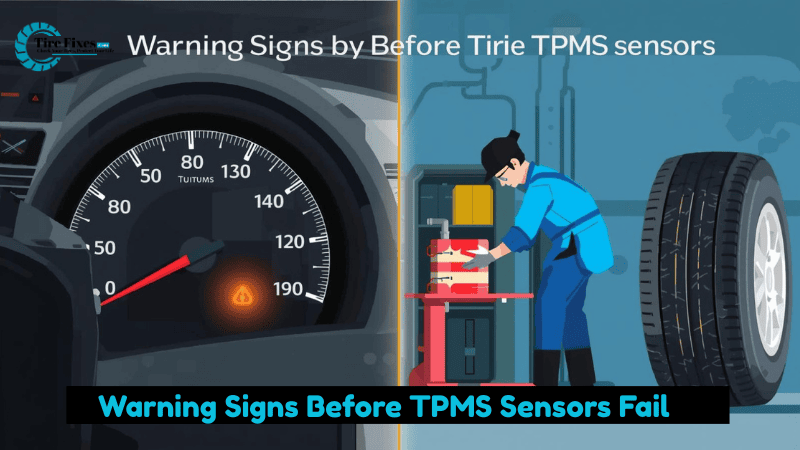
Watch for:
- TPMS light comes and goes
- Light blinks only in mornings
- Light activates after long drives
- Random TPMS warnings after tire rotation
Why You Shouldn’t Ignore a Blinking TPMS Light
I’ve seen drivers ignore it — then end up with:
- Blowouts on hot highways
- Destroyed sidewalls from slow leaks
- Poor fuel economy
- Uneven tire wear costing hundreds
Pro Tips From the Shop Floor
✔ Replace sensor valve stems during tire install
✔ Avoid cheap aftermarket sensors unless programmed correctly
✔ Always relearn sensors after rotation (if required)
✔ Check pressure monthly even with TPMS
FAQs
Why is my tire pressure light blinking then staying on?
Usually indicates a TPMS system fault, not just low tire pressure.
Can low tire pressure cause blinking TPMS light?
Rarely. Low pressure usually triggers a solid light.
How long do TPMS sensors last?
Typically 5–10 years depending on driving and climate.
Is blinking TPMS light an MOT or inspection failure?
In many US states and UK inspections, yes — especially if the system is required for that vehicle year.
Can I replace TPMS sensors myself?
Technically yes, but programming usually requires a scan tool.

One Comment