
It always seems to happen at the worst time. You’re pulling out of a grocery store parking lot, the weather’s turning colder, and suddenly you notice your tires are looking way more worn than you remembered. The last thing anyone wants is to drop a chunk of cash on new tires right before the holidays. That’s exactly why Black Friday tire deals are such a big deal for everyday drivers.
I’ve been around cars and tires long enough to know this: if you’re going to buy tires, timing matters. Black Friday isn’t just hype. It’s one of the few times all year when major tire brands, local shops, and national chains actually compete on price. Whether you’re commuting on cracked city streets, hauling kids to school, or prepping for winter road trips, getting the right tires at the right price can save you hundreds.
This guide breaks down what Black Friday tire deals really look like in 2026, where the real discounts are, and how to avoid wasting money on the wrong set.
Why Black Friday Tire Deals Matter
Tires aren’t optional. They’re the only part of your car that touches the road, and worn rubber doesn’t care if your budget is tight. Black Friday deals on tires exist because manufacturers want to clear inventory before winter demand spikes and before the next model year rolls in.
For drivers, that means genuine savings. We’re not talking about $10 off gimmicks. Proper Black Friday tire deals can knock 15% to 40% off a full set, especially when rebates and installation specials stack up. If your tread is getting low or winter weather is coming, waiting for these deals can be a smart move rather than a risky one.
Common Types of Black Friday Tire Deals
Most drivers assume all tire sales are the same. They’re not. During Black Friday, discounts usually fall into a few predictable categories:
- Manufacturer rebates on major brands like Michelin, Goodyear, Bridgestone, and Continental
- Buy 3, get 1 free or deeply discounted fourth tire offers
- Instant discounts at checkout from national chains
- Free installation, balancing, or road hazard protection
- Stacked deals combining rebates with store coupons
Discount Tire Black Friday tire deals are especially popular because they often bundle installation savings with brand rebates, which cuts real-world costs, not just sticker prices.
Warning Signs You Shouldn’t Wait Any Longer
Before you even worry about timing a deal, make sure your tires are safe to drive on. If you’re seeing any of these signs, holding off could cost more than you save:
- Tread depth below 4/32” heading into winter
- Cracks or dry rot on sidewalls
- Frequent loss of air pressure
- Vibrations at highway speeds
- Tires older than six years, even if tread looks “okay”
Deals are great, but safety always comes first. Bald tires plus cold, wet roads are a bad combination.
Step-by-Step: How to Get the Best Black Friday Tire Deals
1. Know Your Tire Size Before Sales Start
Don’t wait until checkout to figure this out. Tire size is printed on your sidewall (for example, 225/65R17). Having it ready saves time and prevents buying the wrong set when deals sell out fast.
2. Set a Realistic Budget
In the US market, solid all-season tires usually land between $500 and $900 for a set of four during Black Friday. Premium or winter tires cost more. Knowing your range helps avoid impulse buys.
3. Compare National Chains vs Local Shops
Big chains advertise loud deals, but local shops sometimes match prices and throw in better service. Always ask. I’ve seen plenty of drivers save more locally just by asking.
4. Check Rebate Fine Print
Mail-in and online rebates are common. Make sure you:
- Submit paperwork on time
- Keep receipts
- Understand payout timing
Some rebates take weeks, but they’re still real money.
5. Schedule Installation Early
Black Friday weekends get chaotic. Book your install as soon as you buy to avoid long waits or delays.
DIY vs Professional Tire Buying
Some drivers like ordering tires online and handling everything themselves. Others want full-service installation.
DIY Buying Pros:
- Easier price comparisons
- More brand options
- Good for experienced drivers
Professional Shop Pros:
- Proper mounting and balancing
- Warranty handling
- Less hassle if there’s an issue
If you don’t have tire machines at home (most people don’t), professional installation is worth it. A bad mount can ruin even the best Black Friday deal.
Safety Considerations During Tire Sales
Discounts shouldn’t override common sense. Make sure:
- Tires meet your vehicle’s load and speed rating
- Seasonal tires match your climate
- You’re not buying old inventory (check DOT date codes)
Cheap tires that don’t fit your driving conditions aren’t a bargain. They’re a liability.
What Black Friday Tire Deals Actually Cost
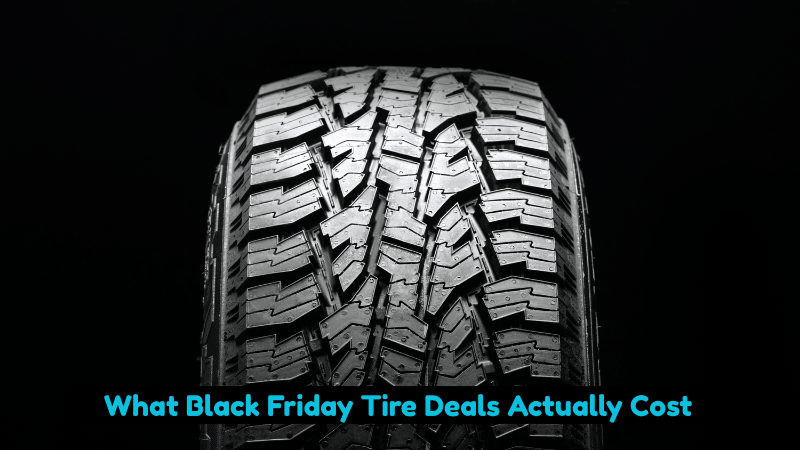
Here’s what most US drivers can expect in 2026:
- Budget all-season tires: $400–$550 per set
- Mid-range tires: $600–$800 per set
- Premium brands: $850–$1,100 per set
Black Friday savings typically range from $100 to $300 off compared to regular pricing, especially when installation deals are included.
How to Make Your New Tires Last Longer
After scoring a deal, protect your investment:
- Keep tires properly inflated
- Rotate every 5,000–7,000 miles
- Align wheels if you notice uneven wear
- Avoid aggressive driving habits
Tires that last longer stretch those Black Friday savings even further.
Common Mistakes Drivers Make
- Buying the cheapest tire without checking reviews
- Ignoring load ratings
- Waiting until inventory is gone
- Forgetting rebate deadlines
- Skipping alignment after installation
I’ve seen every one of these cost drivers more in the long run.
Final Advice Before You Buy
Black Friday tire deals aren’t about hype—they’re about timing. If your tires are nearing the end of their life, this is one of the smartest windows all year to replace them. Do your homework, know your size, and don’t rush into something that doesn’t fit your driving needs.
A good deal is one that keeps you safe long after the sale banners come down.
FAQs
1. Are Black Friday tire deals actually worth it?
Yes, when done right. Most drivers save $100–$300 compared to normal pricing, especially when rebates and free installation are included.
2. When do Black Friday tire deals start?
Many start one to two weeks before Black Friday and run through Cyber Monday. Some retailers extend deals into early December.
3. Are Discount Tire Black Friday tire deals better than others?
They’re often competitive, especially with installation bundles, but local shops sometimes match or beat them.
4. Can I buy winter tires on Black Friday?
Absolutely. Winter tires often see strong discounts as manufacturers push seasonal inventory.
5. Should I wait until Black Friday tire deals 2026?
If your tires are still safe, waiting makes sense. If they’re worn or unsafe, don’t risk it just to save money.
6. Do Black Friday deals include installation?
Many do, but always check. Some deals advertise tire prices only, with installation extra.


One Comment