
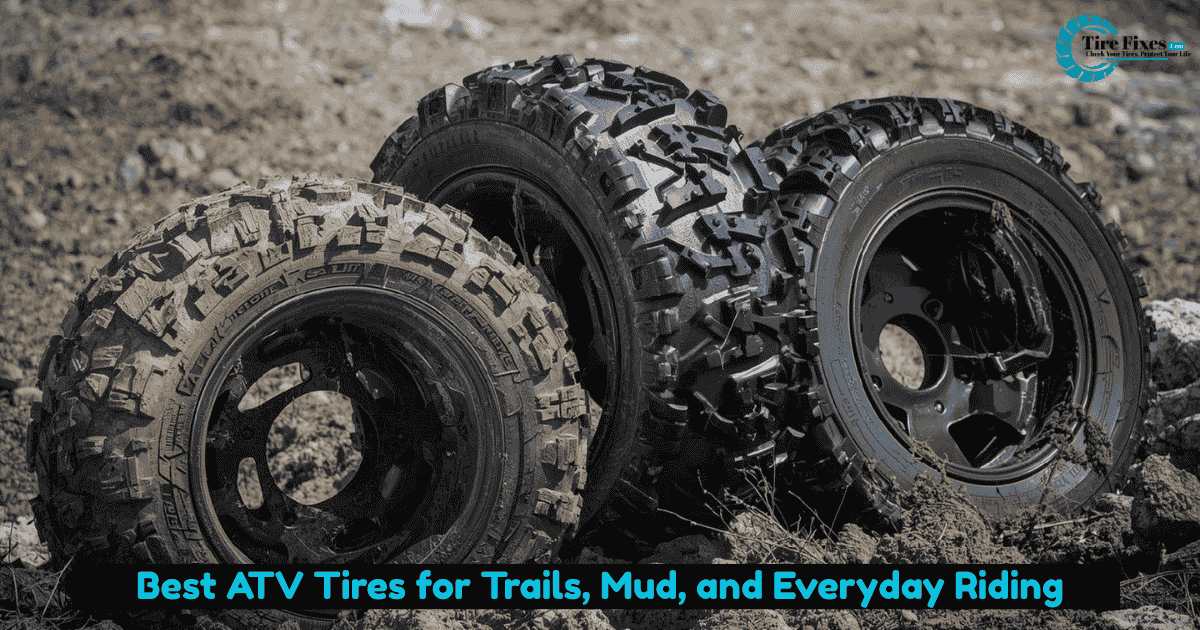
If you’ve ever been halfway down a muddy trail, miles from your truck, and felt your ATV start to slide instead of grip, you already know how important the right ATV tires really are. Tires aren’t just rubber donuts — they’re the difference between a fun weekend ride and a long, frustrating walk back.
Everyday riders run into the same questions all the time. Should you go with aggressive ATV mud tires, or are stock tires good enough? What does 25x10x12 ATV tires even mean? And why do some ATVs feel planted on rocky trails while others spin out on wet grass?
Whether you’re riding farm land in the Midwest, sandy trails in Florida, or wooded backroads in Pennsylvania, choosing the right ATV wheels and tires matters more than most people realize. This guide breaks it all down in plain English — no fluff, no sales hype — just real-world advice from years of riding, wrenching, and fixing tire mistakes the hard way.
What Makes ATV Tires Different? (Problem Explanation)
ATV tires are built for uneven terrain, not smooth pavement. Unlike car tires, they use softer rubber compounds, deeper tread blocks, and lower air pressure to flex over rocks, roots, and ruts. The problem starts when riders use the wrong tire type for their terrain.
A trail tire on deep mud will spin uselessly. A heavy mud tire on hard-packed dirt can feel twitchy and wear out fast. Even choosing the wrong size — like mismatched ATV tires 25x10x12 — can affect handling, power delivery, and drivetrain wear.
Most ATV tire issues aren’t caused by bad brands. They’re caused by mismatched expectations and riding conditions.
Common Causes of ATV Tire Issues
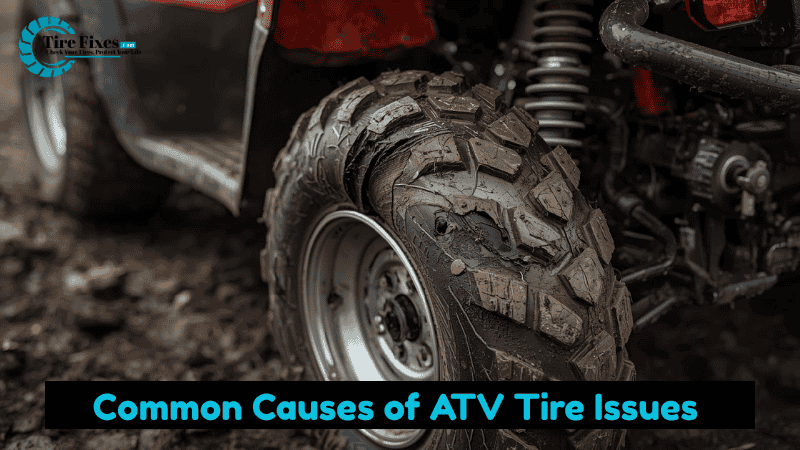
The most common problems with ATV at tires usually come down to a few simple mistakes:
- Choosing the wrong tread style for your terrain
- Running incorrect tire pressure (too high is very common)
- Installing the wrong tire size for your rims
- Mixing old and new tires on 4×4 ATVs
- Cheap rubber compounds that harden and lose grip
Even riders who search for ATV tires near me often grab whatever’s in stock without thinking about where they actually ride. That’s how problems start.
Symptoms and Warning Signs
If your ATV tires aren’t right, you’ll usually feel it quickly:
- Excessive wheel spin on climbs
- Poor braking on dirt or grass
- ATV pulling to one side
- Harsh ride over small bumps
- Rapid tread wear or chunking
Ignoring these signs can lead to drivetrain stress, bent wheels, or getting stuck where you really don’t want to be.
Step-by-Step Fixes and Solutions
1. Identify Your Riding Terrain
Be honest about where you ride most:
- Mud and swampy trails → ATV mud tires
- Woods and trails → All-terrain or trail tires
- Hard-packed dirt and gravel → Sport or utility tires
2. Confirm Tire Size
Check the sidewall for sizing like 25x10x12 ATV tire:
- 25 = overall tire height (inches)
- 10 = tire width
- 12 = wheel diameter
Using the wrong size can affect gearing and suspension clearance.
3. Match Front and Rear Sets
Never mix aggressive rear tires with mild fronts. It causes unpredictable steering, especially in 4WD.
4. Set Proper Air Pressure
Most ATV tires run best between 4–7 PSI, not the 10–12 PSI many shops use.
5. Choose a Proven Brand
Reliable options include:
- Maxxis ATV tires for durability and balance
- SunF ATV tires for budget-friendly trail riding
DIY vs Professional Tire Help
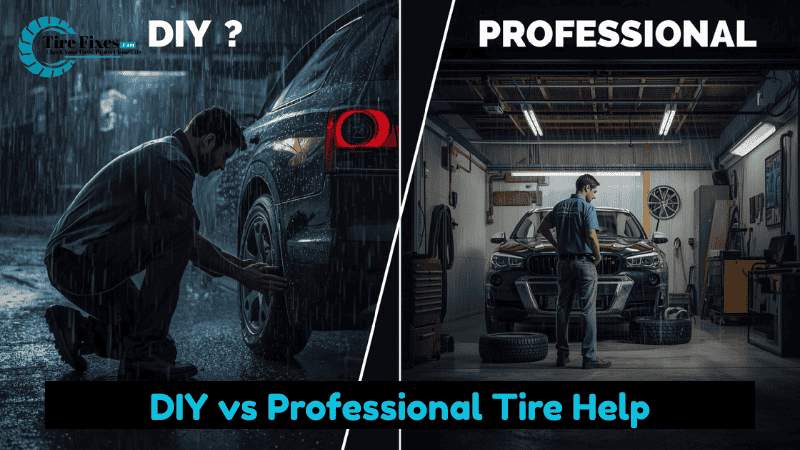
DIY works fine if:
- You already have mounted tires
- You’re adjusting pressure or swapping wheels
Go professional if:
- You’re mounting new tires on rims
- Beads won’t seat properly
- Tires are directional or oversized
Many riders damage wheels trying to mount stiff ATV tires for sale at home without proper tools.
Safety Considerations
Always:
- Use a tire gauge rated for low PSI
- Avoid over-inflating to seat beads
- Torque lug nuts properly
- Recheck pressure before long rides
Improperly installed ATV tires can roll off rims during aggressive turns or downhill braking.
Cost Expectations
Typical US pricing:
- Budget ATV tires: $60–$90 each
- Mid-range trail tires: $90–$130 each
- Premium brands: $140–$200 each
Mounting usually costs $15–$30 per tire.
Prevention Tips
- Match tires to terrain, not looks
- Store ATVs out of direct sun
- Check PSI monthly
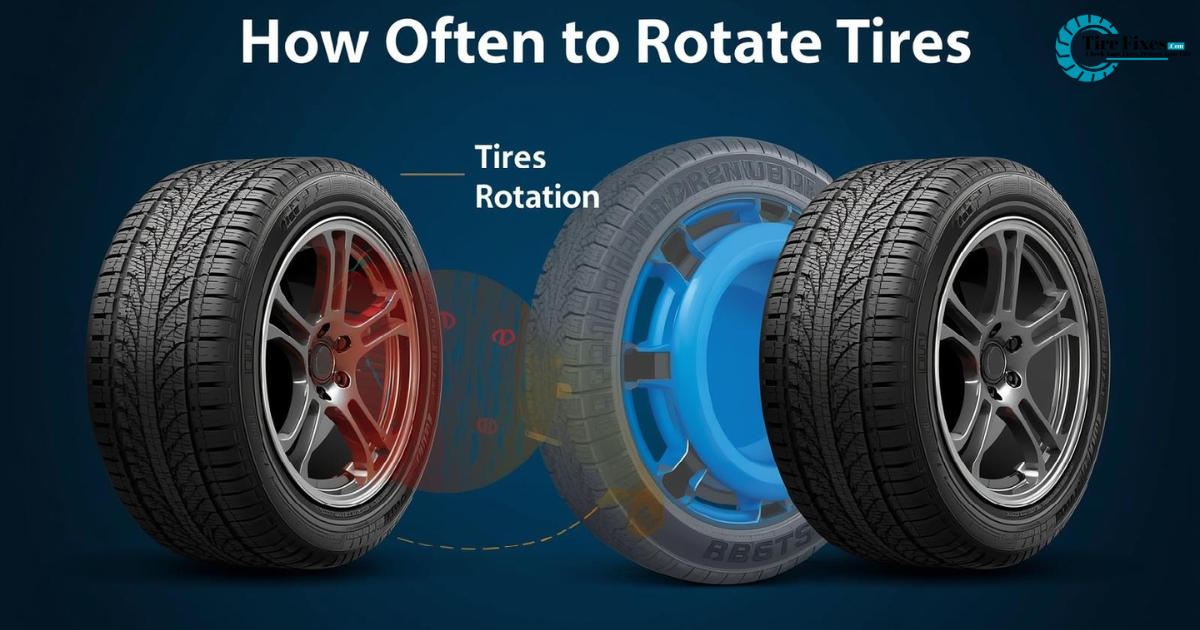
- Rotate tires front to back when possible
- Avoid pavement riding with soft tires
Good habits can double tire life.
Common ATV Tire Mistakes
- Overinflating for “better handling”
- Mixing different tread patterns
- Ignoring sidewall load ratings
- Buying the cheapest tire available
- Running worn tires “one more ride”
These mistakes usually cost more later.
Final Advice Before You Buy
The best ATV tires aren’t the most aggressive or expensive — they’re the ones that match how and where you ride. Take five minutes to check your size, terrain, and pressure needs before buying. It’ll save money, prevent headaches, and keep your rides fun instead of frustrating.
FAQs About ATV Tires
1. What size ATV tires do most utility ATVs use?
Most utility ATVs commonly use sizes like 25x10x12 ATV tires or 26-inch variants, depending on suspension and gearing.
2. Are ATV mud tires bad for trails?
They’re not bad, but they wear faster and can feel unstable on hard-packed dirt compared to all-terrain tires.
3. How often should ATV tires be replaced?
Most last 3–6 years depending on use, storage, and rubber quality — even if tread looks okay.
4. Can I mix ATV tire brands?
Mixing brands isn’t ideal. Tread patterns and rubber compounds differ and can affect handling.
5. What PSI should ATV tires run?
Most perform best between 4–7 PSI, depending on load and terrain.
6. Are SunF ATV tires reliable?
Yes, SunF ATV tires are popular budget options for trail and light utility riding.

One Comment