
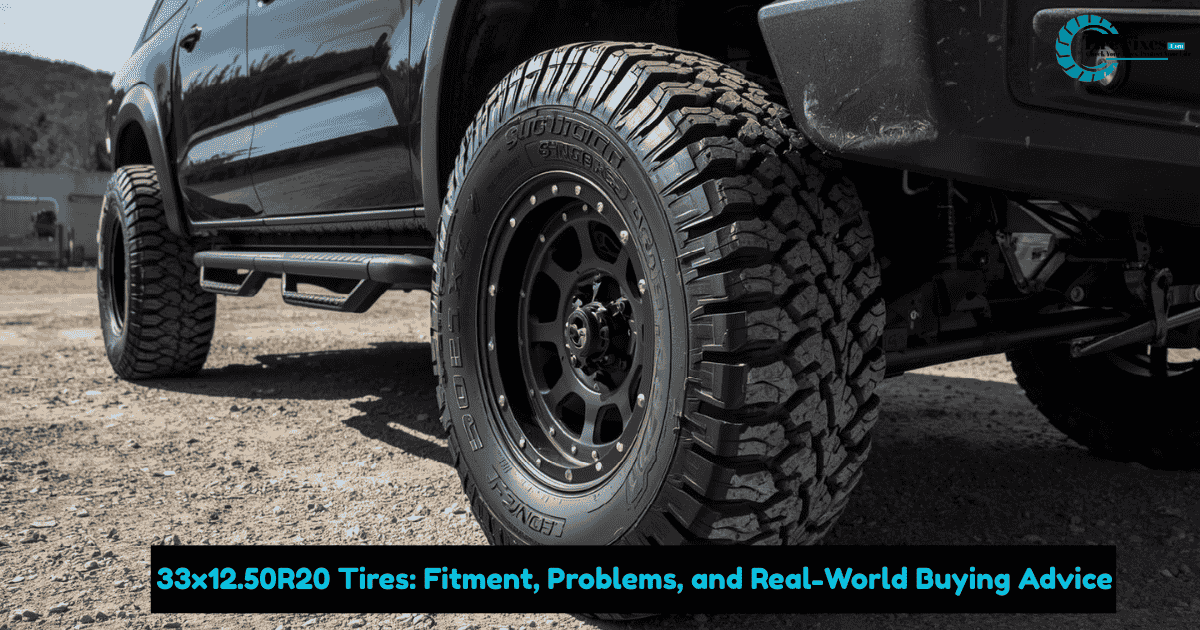
You’re cruising down the highway, maybe towing a small trailer or heading out for a weekend trail run, when you notice your truck just doesn’t feel right. The stance looks aggressive, sure—but the ride feels stiff, the steering’s heavier, or worse, you hear rubbing when you hit a dip. Sound familiar? This is a situation a lot of truck owners run into after upgrading to 33×12.50R20 tires without fully knowing what comes with that size.
These tires are wildly popular on lifted and leveled trucks across the US, from Texas back roads to snowy Midwest highways. They look tough and promise better off-road traction—but they’re not a plug-and-play upgrade for every setup. In this guide, I’ll break down what 33×12.50R20 tires really mean for daily driving, common issues drivers face, and how to get the most out of them without burning money or risking safety.
Problem Explanation
What Makes 33×12.50R20 Tires Tricky?
At first glance, 33×12 50r20 tires sound straightforward. But unlike standard metric tire sizes, this sizing system comes from off-road and light truck culture. The problem is that these tires are wide, tall, and heavy, which can cause fitment and drivability issues if your suspension, wheels, or gearing aren’t ready.
On stock trucks, especially half-tons, installing tires 33×12 50r20 often leads to rubbing, reduced fuel economy, and uneven wear. The tire itself isn’t the issue—it’s the mismatch between tire size and vehicle setup.
Common Causes
Here are the most common reasons drivers run into trouble with 33×12.50R20 all terrain tires:
- Insufficient lift or leveling kit, especially on stock suspensions
- Incorrect wheel offset or backspacing, pushing the tire too far inward
- Stock gearing not designed for heavier, larger-diameter tires
- Improper tire pressure, often overinflated from the shop
- Cheap or mismatched brands, including some off-brand 33×12.50r20 AMP tires
Each of these alone can cause problems—but combined, they’re almost guaranteed to.
Symptoms / Warning Signs
If your setup isn’t right, you’ll usually notice one or more of these signs:
- Tire rubbing during turns or suspension travel
- Sluggish acceleration and longer braking distances
- Steering wheel vibration at highway speeds
- Noticeable drop in MPG
- Uneven or rapid tread wear
Ignore these too long, and you’re not just wearing out tires—you’re stressing ball joints, wheel bearings, and suspension components.
33×12.50R20 Tires: Step-by-Step Fixes / Solutions
1. Confirm Proper Fitment First
Before anything else, verify that your truck can physically handle 33×12.50R20 tires. Most full-size trucks need at least a 2-inch level or lift, sometimes more depending on wheel offset.
2. Choose the Right Wheels
Wheel choice matters just as much as tire size.
- Ideal wheel width: 9–10 inches
- Backspacing: 4.5–5 inches is usually safe
- Avoid extreme negative offsets unless you’re lifted
Bad wheel specs are the #1 reason for rubbing complaints.
3. Set Correct Tire Pressure
Most shops inflate these tires to 40+ PSI, which is usually too high.
- Start around 32–35 PSI for daily driving
- Adjust based on load, ride comfort, and wear
This alone can transform how the truck feels.
4. Consider a Gear Ratio Check
If your truck feels sluggish, larger tires may have thrown off the gearing.
- Re-gearing isn’t always required
- But towing or hilly driving may benefit from it
This step is often overlooked but makes a huge difference.
5. Alignment Is Not Optional
After installing 33×12 50r20 all terrain tires, get a professional alignment.
- Prevents uneven wear
- Improves steering feel
- Protects suspension parts
Skipping alignment is a fast way to ruin expensive tires.
33×12.50R20 Tires: DIY vs Professional Repair
Going DIY can save money, but only up to a point.
DIY works well for:
- Tire pressure adjustments
- Visual clearance checks
- Basic wheel swaps
Go professional when:
- Rubbing persists after minor trimming
- Alignment or suspension changes are needed
- You’re unsure about wheel offset or gearing
If you’re second-guessing anything, it’s cheaper to ask a pro than to replace chewed-up tires.
Safety Considerations
Larger tires change how your truck behaves—period.
- Braking distances increase
- Emergency handling feels different
- Wet-road traction varies by tread design
Always test your truck in a safe area after installing 33×12.50r20 tires, especially before highway or winter driving. Safety beats looks every time.
Cost Expectations
Here’s what most US drivers can expect:
- Tires: $280–$450 per tire, depending on brand
- Mounting/balancing: $100–$200 total
- Alignment: $90–$150
Budget brands like some 33×12.50r20 AMP tires cost less upfront but may wear faster.
Prevention Tips
Want to avoid headaches down the road?
- Match tire size to suspension setup
- Rotate tires every 5,000–6,000 miles
- Keep pressures checked monthly
- Don’t ignore small rubbing noises
A little attention goes a long way with oversized tires.
Common Mistakes
- Buying tires before checking wheel specs
- Assuming “33s fit everything”
- Overinflating for looks or load rating
- Skipping alignment after install
These mistakes cost drivers thousands every year.
Conclusion / Final Advice
33×12.50R20 tires can be an excellent upgrade when done right. They offer a bold stance, solid off-road traction, and real-world capability. But they demand planning. If you take the time to match your suspension, wheels, and driving needs, you’ll end up with a setup that looks great and drives even better.
FAQs About 33×12.50R20 Tires
1. Are 33×12.50R20 tires good for daily driving?
Yes, if properly set up. With correct pressure, alignment, and suspension clearance, many drivers daily these tires without issues, even on long highway commutes.
2. Do 33×12.50R20 tires require a lift?
Most trucks need at least a leveling kit. Stock suspensions often experience rubbing without some form of lift or wheel offset adjustment.
3. How long do 33×12.50R20 all terrain tires last?
On average, 40,000–60,000 miles depending on brand, driving style, and maintenance like rotations and proper inflation.
4. Are 33×12.50R20 AMP tires worth it?
They’re budget-friendly and fine for light use, but tread life and road noise may not match premium brands. Good for casual drivers, not heavy towing.
5. Will fuel economy drop with 33×12.50R20 tires?
Usually yes. Expect a 1–3 MPG drop, mainly due to increased weight and rolling resistance.
6. Can I tow with 33×12.50R20 tires?
Yes, but make sure your load rating, gearing, and braking setup are adequate. Poor setup can affect stability.

One Comment