
If you’ve ever stood in a tire shop parking lot staring at your sidewall, wondering if 185/65R15 tires are just numbers or actually matter for how your car drives—yeah, you’re not alone. I’ve been there myself. Years ago, I slapped the “close enough” size on a Corolla during a rainy Ohio fall. Car drove… but it never felt right. Steering felt off. MPG dipped. Lesson learned.
This guide is for everyday drivers who just want their car to feel safe, predictable, and comfortable—whether you’re commuting on cracked city pavement, cruising the interstate, or dealing with snow-covered back roads. No fluff. No sales pitch. Just straight talk from real-world driving experience.
Understanding 185/65R15 Tires (Complete Breakdown)
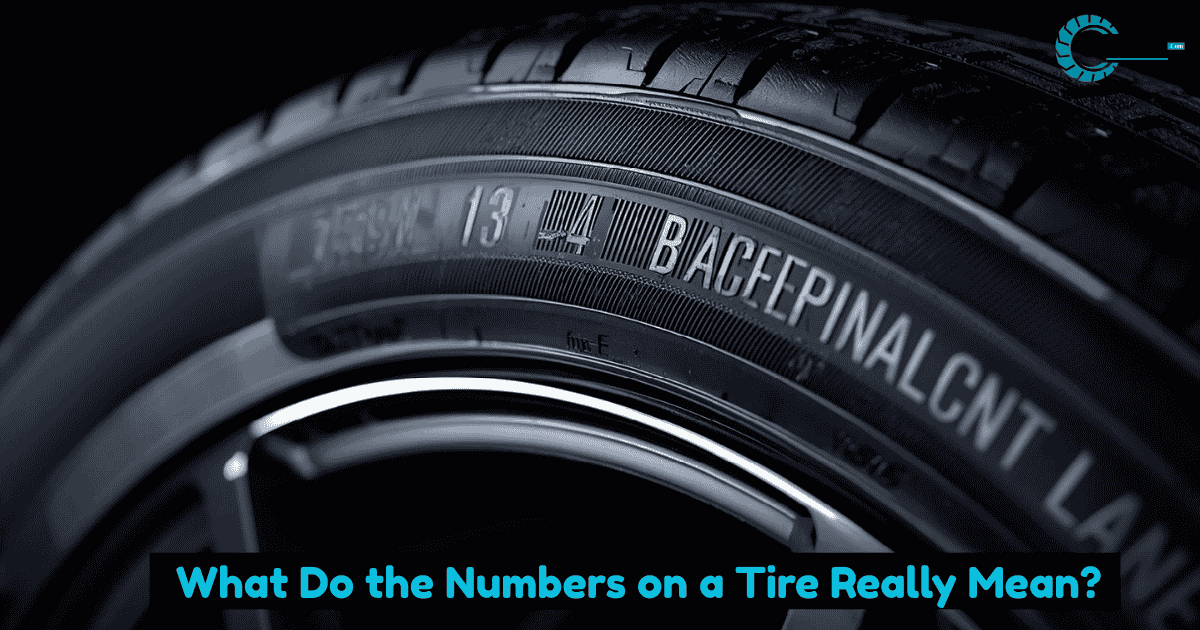
Before you shop, you need to understand what tires 185/65R15 actually mean—because every number affects how your car behaves.
1. What “185” Means on a Tire
The 185 refers to the tire’s width in millimeters. That’s how wide the tire contacts the road.
Real-world impact:
- Narrow enough for good fuel economy
- Wide enough for stable highway driving
- Excellent for compact sedans and hatchbacks
You’ll feel this most during lane changes and wet-road braking.
2. What “65” Sidewall Ratio Means
The 65 is the sidewall height as a percentage of tire width.
This gives you:
- Softer ride over potholes
- Better comfort on rough US roads
- Less harshness than low-profile tires
Perfect for daily drivers who value comfort over aggressive handling.
3. What “R15” Wheel Size Means
The R means radial construction (standard today).
15 means the tire fits a 15-inch wheel.
This size is common, affordable, and widely available—especially at big retailers.
4. Vehicles That Use 185/65R15 Tires
You’ll typically see 185/65R15 tires on:
- Toyota Corolla
- Honda Civic (older models)
- Hyundai Accent
- Nissan Sentra
- Ford Focus (earlier generations)
If your car came with this size from the factory, stick with it.
Best Uses for 185/65R15 Tires in Daily Driving
This size shines in real-world conditions—not race tracks.
5. City Commuting
Great for stop-and-go traffic, tight parking lots, and uneven pavement.
6. Highway Cruising
Stable at 70–75 mph, predictable steering, and low road noise when you buy quality brands.
7. Fuel Efficiency
Lighter tire = less rolling resistance = better MPG. I’ve seen 1–2 MPG gains compared to wider alternatives.
All-Season vs Winter Options in This Size
8. All-Season 185/65R15 Tires
Ideal if you live where winters are mild.
Pros:
- Year-round convenience
- Cheaper long-term
- Quiet and smooth
9. 185 65R15 Snow Tires
If you deal with real winter, this matters.
Snow tires offer:
- Better cold-weather grip
- Shorter braking distance on ice
- Confidence on slushy roads
10. 185 65R15 Winter Tires vs All-Season
Winter tires use softer rubber compounds. Once temps drop below 45°F, they outperform all-seasons—no debate.
Buying 185/65R15 Tires: Where Most Drivers Shop
11. Walmart Tires 185/65R15
Walmart is popular for a reason.
Why drivers buy here:
- Competitive pricing
- Nationwide availability
- Budget-friendly options
Just remember: installation quality varies by location.
12. 185/65R15 Tires Walmart Price Range
Typical prices:
- Budget brands: $60–80
- Mid-range: $90–120
- Premium: $130+
Mounting and balancing usually costs extra.
13. Online vs Local Tire Shops
Online gives you options. Local shops give you accountability. I usually price-check online, then buy local.
How 185/65R15 Tires Feel on the Road
14. Ride Comfort
Soft sidewalls absorb potholes better than low-profile tires—huge plus for older city roads.
15. Handling & Steering
Not sporty, but predictable. Steering feels natural, especially on sedans.
16. Noise Levels
Depends on brand, but generally quieter than performance tires.
Safety & Longevity Considerations
17. Tread Life Expectations
Most 185/65R15 tires last:
- 50,000–70,000 miles with proper rotation
- Less if alignment is off
18. Wet Weather Performance
Good hydroplaning resistance when tread depth is healthy.
19. Load & Speed Ratings
Always match OEM specs. Don’t downgrade to save a few bucks—it’s not worth it.
Common Mistakes Drivers Make
20. Mixing Tire Sizes
Never mix tire sizes. Even small changes affect ABS and traction control systems.
FAQs About 185/65R15 Tires
Q: Can I replace 185/65R15 with a different size?
Yes, but only within safe tolerances. Always check with a tire calculator or professional.
Q: Are 185/65R15 tires good in snow?
With winter tires, yes. All-seasons are just “okay” in light snow.
Q: How much should I expect to pay?
Anywhere from $300–$550 for a full set, depending on brand and installation.
Q: Do these tires affect MPG?
Yes—in a good way. They’re efficient and lightweight.
Q: Are cheap 185/65R15 tires safe?
Some are. Just avoid unknown brands with no reviews or warranty.
Final Thoughts From the Road
The 185/65R15 tire isn’t flashy—and that’s exactly why it works. It’s comfortable, efficient, affordable, and predictable. For everyday drivers who just want their car to behave, this size does the job without drama.
Buy the right brand, keep them inflated properly, rotate them on time, and they’ll quietly do their job mile after mile.

One Comment