If you’ve ever stood in a truck stop parking lot staring at a worn-out tire, wondering if you’re buying the right replacement, you’re not alone. A lot of drivers—especially new owner-operators—get tripped up by tire sizes, and 11R 22.5 tires are one of the most common sources of confusion. You’ll see them on everything from regional delivery trucks to long-haul semis running coast to coast.
The problem is that picking the wrong 11R 22.5 tire can cost you money, fuel, and even safety. Steer tires behave differently than drive or trailer tires, and not every 11R 22.5 tire is built the same. In this guide, I’ll break it down in plain English—no sales talk, no fluff—so you know exactly what you’re buying and why it matters on real US roads, in real weather, doing real work.
What Are 11R 22.5 Tires?
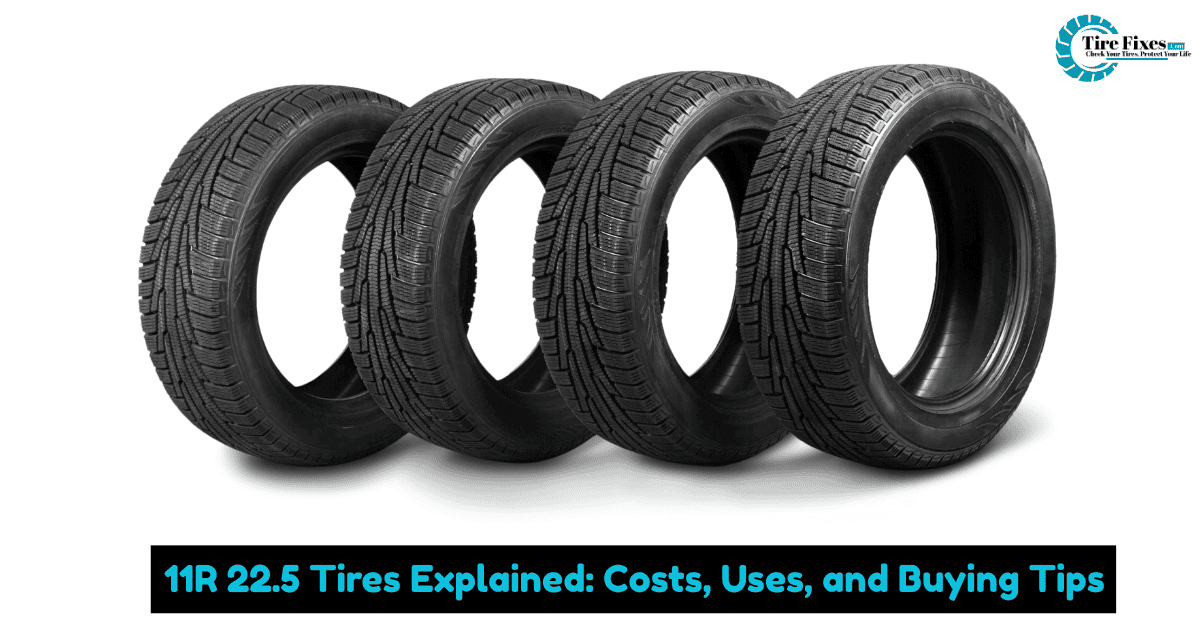
11R 22.5 tires are heavy-duty commercial truck tires commonly used on Class 7 and Class 8 trucks. The “11” refers to the tire’s approximate width in inches, “R” means radial construction, and “22.5” is the wheel diameter in inches.
You’ll find this tire size on:
- Semi-trucks and tractors
- Box trucks and straight trucks
- Dump trucks and vocational rigs
They’re popular because they strike a solid balance between load capacity, durability, and ride comfort. Compared to wider low-profile tires, 11R 22.5 tires often deliver better fuel economy and a more forgiving ride on rough highways.
Common Causes of Confusion With 11R 22.5 Tires
A lot of issues don’t come from the tire itself—but from misunderstanding how it should be used.
- Mixing 11R 22.5 steer tires with drive or trailer tread patterns
- Choosing the wrong load rating, especially skipping 11R 22.5 tires 16 ply when required
- Running mismatched brands or tread depths on the same axle
- Assuming all 11R 22.5 tires perform the same in rain or snow
I’ve seen trucks chew through a brand-new set in months simply because the wrong tire was installed on the wrong axle.
Symptoms You’re Using the Wrong 11R 22.5 Tire
If your setup isn’t right, the truck will tell you pretty quickly.
- Uneven or rapid tread wear
- Steering wander or poor straight-line stability
- Increased road noise or vibration
- Reduced traction in rain or light snow
- Lower-than-expected fuel mileage
These signs usually show up on highways, especially at 60–70 mph, where tire design really matters.
Step-by-Step: Choosing the Right 11R 22.5 Tire
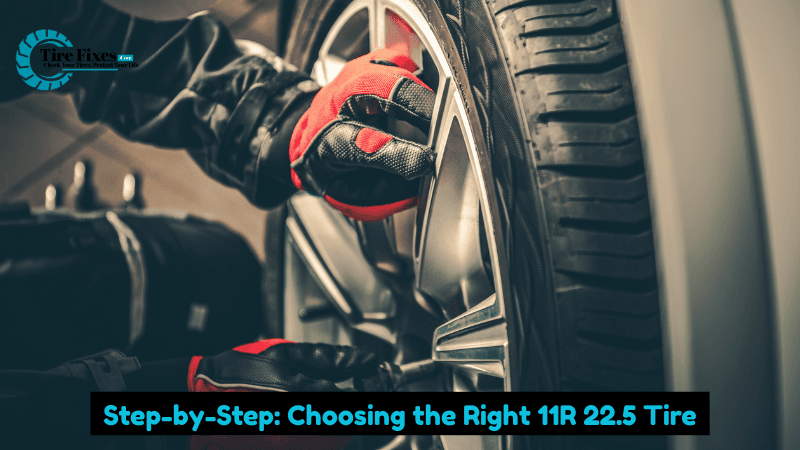
1. Identify the Axle Position
Not all 11R 22.5 tires are interchangeable.
- 11R 22.5 steer tires: Built for precise handling and even wear
- 11R 22.5 drive tires: Designed for traction and torque
- 11R 22.5 trailer tires: Focus on durability and low rolling resistance
Putting a drive tire on the steer axle is a fast way to ruin ride quality.
2. Check the Load Rating
Most fleets and owner-operators run 11R 22.5 tires 16 ply (Load Range H). These handle heavier loads and hold up better on long hauls and hot pavement.
3. Match the Tread to Your Routes
- Regional highway driving: Closed-shoulder tread
- Mixed city/highway: Hybrid tread
- Snow-prone areas: Open shoulder or severe snow-rated tread
4. Consider Tire Chains Compatibility
If you run mountain routes, make sure your 11R 22.5 tire chains are sized correctly. Improper chains can destroy sidewalls fast.
DIY vs Professional Tire Installation
Installing 11R 22.5 tires isn’t like mounting a car tire in your garage.
DIY (Not Recommended for Most Drivers):
- Requires heavy equipment
- Safety risks from high air pressure
- Easy to damage beads or wheels
Professional Installation:
- Proper mounting and balancing
- Torque checked to spec
- TPMS and alignment inspection
For most drivers, professional installation is worth every dollar.
Safety Considerations With 11R 22.5 Tires
These tires operate under extreme loads and pressures—often 100+ PSI.
- Never mix different tread patterns on steer tires
- Inspect sidewalls weekly for cracks or bulges
- Maintain proper inflation—underinflation kills tires fast
- Replace in axle pairs when possible
A blown 11R 22.5 tire at highway speed is no joke. Safety always comes first.
11R 22.5 Tires Cost Expectations in the US
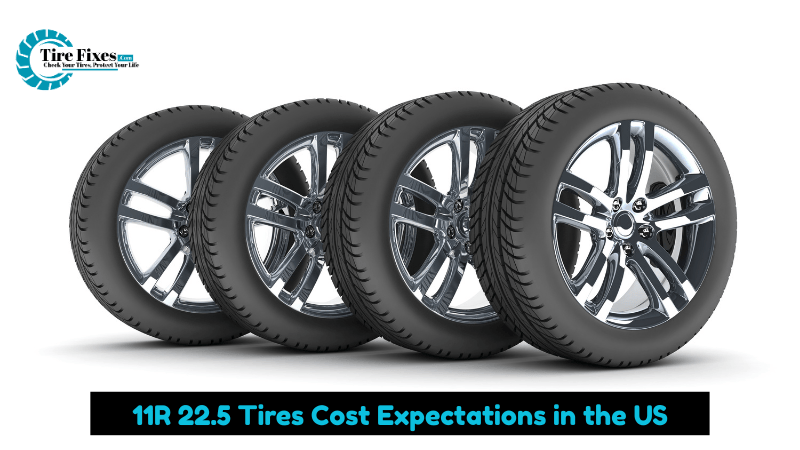
Prices vary by brand and tread type, but typical US costs look like this:
- Budget brands: $350–$450 per tire
- Mid-range brands: $450–$600 per tire
- Premium brands: $600–$750+ per tire
Installation usually adds $30–$60 per tire depending on location.
Prevention Tips to Extend Tire Life
- Rotate drive tires regularly
- Keep alignment in check
- Balance after installation
- Avoid curb strikes and potholes
A well-maintained set of 11R 22.5 tires can easily run 100,000 miles or more.
Common Mistakes to Avoid
- Mixing steer and drive tread patterns
- Ignoring load ratings
- Running mismatched tire brands on the same axle
- Skipping regular pressure checks
These small mistakes add up fast.
Final Advice From the Road
If there’s one takeaway, it’s this: 11R 22.5 tires are only as good as how they’re matched to the job. Spend time choosing the right type for your steer, drive, or trailer axles, and you’ll save money, fuel, and headaches down the road.
FAQs
1. What vehicles use 11R 22.5 tires?
They’re commonly used on Class 7 and Class 8 trucks, including semis, box trucks, and vocational trucks in the US.
2. Are 11R 22.5 tires good for long-haul driving?
Yes. They’re popular for long-haul routes thanks to their durability, fuel efficiency, and stable ride.
3. What does 16 ply mean on 11R 22.5 tires?
It refers to the load range (usually Load Range H), indicating higher load capacity and strength.
4. Can I use the same 11R 22.5 tire on all axles?
No. Steer, drive, and trailer axles require different tread designs for safety and performance.
5. How long do 11R 22.5 tires last?
With proper maintenance, many last between 90,000 and 120,000 miles depending on use and driving conditions.
6. Are tire chains safe for 11R 22.5 tires?
Yes, if properly sized and installed. Incorrect chains can damage sidewalls and tread.